
Why DIY Termite Treatments Often Make the Problem Worse
DIY termite treatments can make a termite problem harder to assess because killing or disturbing the termites you can see does not necessarily eliminate the colony. Termites may retreat from the disturbed area while remaining active elsewhere. If you find live termites, avoid disturbing them and arrange a professional termite inspection as soon as possible.
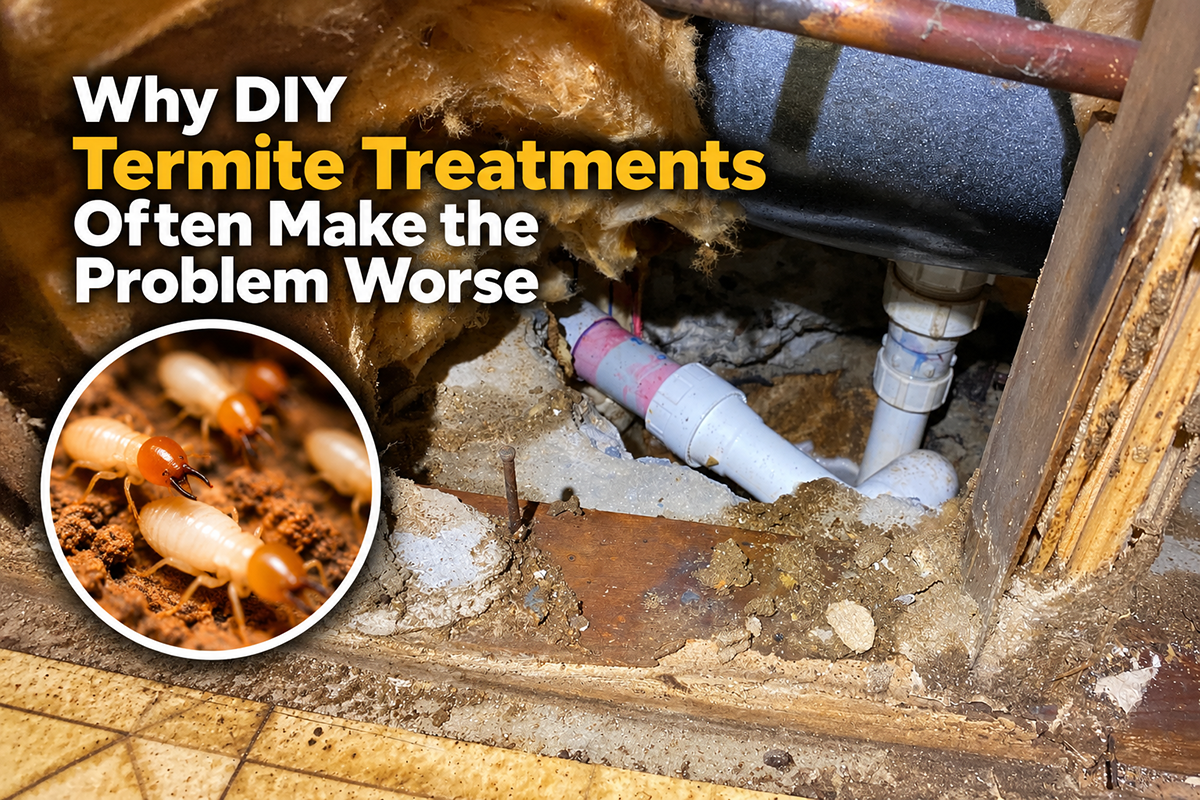
Finding termites inside your home can create an understandable sense of urgency.
You pull away a piece of timber, move something stored against a wall or discover what looks like termite mudding around part of the building — and suddenly there are live termites in front of you.
The natural reaction is often:
Kill them.
You might reach for a can of insect spray, purchase a termite product from the hardware store, break open the affected
timber or start removing damaged material.
Unfortunately, when it comes to termites, taking immediate DIY action without first understanding the extent and nature of the activity
can make the situation harder to properly assess and manage.
The termites you can see may represent only a tiny part of a much larger termite system.
Killing those visible termites does not necessarily mean you have eliminated the source of the problem.
In some situations, disturbing termite activity can cause termites to retreat from that particular area. The homeowner may then believe the problem has disappeared when termite activity may still be present elsewhere in or around the structure.
That is why one of the most useful things you can do after discovering suspected live termite activity is surprisingly simple:
Don't disturb it unnecessarily.
Get it professionally assessed first.
Why Finding Termites Can Trigger the Wrong Reaction
Most household pests are dealt with in a fairly straightforward way.
You see a cockroach, spider or ant and your instinct is to remove or kill it.
Termites require a different mindset.
A professional termite technician isn't simply interested in killing the termites visible at the point of discovery. Those termites provide information.
Their location, activity, mudding, and concealed pathways can help build a picture of how termites may be entering and moving through the property.
If that evidence is destroyed before an inspection takes place, some of that information may be lost.
This is why homeowners should resist the temptation to immediately spray, pull apart, or clean up suspected termite activity.
The priority should be understanding the problem before choosing the treatment.
The Termites You See Are Only Part of the Problem
One of the biggest misunderstandings surrounding DIY termite treatment is assuming that the termites you can physically see are the infestation.
They aren't necessarily.
Subterranean termites live socially in colonies and travel between food sources and their colony environment through concealed pathways.
The termites feeding inside a piece of timber in your house may therefore represent only a small proportion of the termites associated with the activity. This creates an obvious problem with surface-level DIY treatments. You might kill the termites you can reach without addressing the wider termite activity.
It's a little like wiping up water from the floor without finding the leaking pipe. The visible symptom has been dealt with.
The underlying problem may not have been.
Why Spraying Visible Termites May Not Solve the Infestation
A common response to finding termites is reaching for a household aerosol insecticide.
You spray the visible insects.
They die.
Problem solved?
Not necessarily.
Killing termites at the point where you've discovered them doesn't automatically eliminate the colony or address other concealed termite activity. It can also disturb activity at a location that could otherwise have provided valuable information during an inspection.
Professional termite management takes a much broader approach.
The technician needs to consider questions such as:
Where has activity been detected?
How extensive does it appear to be?
Are there other areas of the building showing evidence?
What conditions around the property may be contributing to termite risk?
What treatment or management strategy is appropriate for the particular situation?
Simply spraying what you can see doesn't answer those questions.
And if the termites disappear afterwards, that should not automatically be interpreted as evidence that the termite problem has been eliminated.
A Small Treatment Today Can Prevent a Massive Repair Tomorrow
One of the biggest misconceptions we encounter is that termite treatment is simply another household expense.
In reality, it's often an investment that prevents much larger costs.
Professional termite treatment is designed to stop the colony attacking your property before more structural damage occurs.
Every week treatment is delayed gives termites additional time to:
expand their feeding areas
recruit more workers
damage additional structural timber
increase repair costs
compromise the integrity of your home
For many homeowners, the treatment itself becomes the least expensive part of the entire situation.
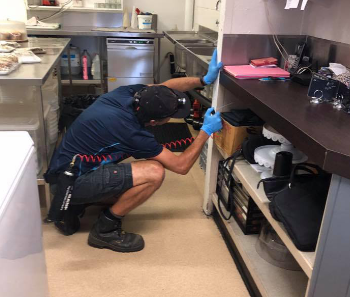
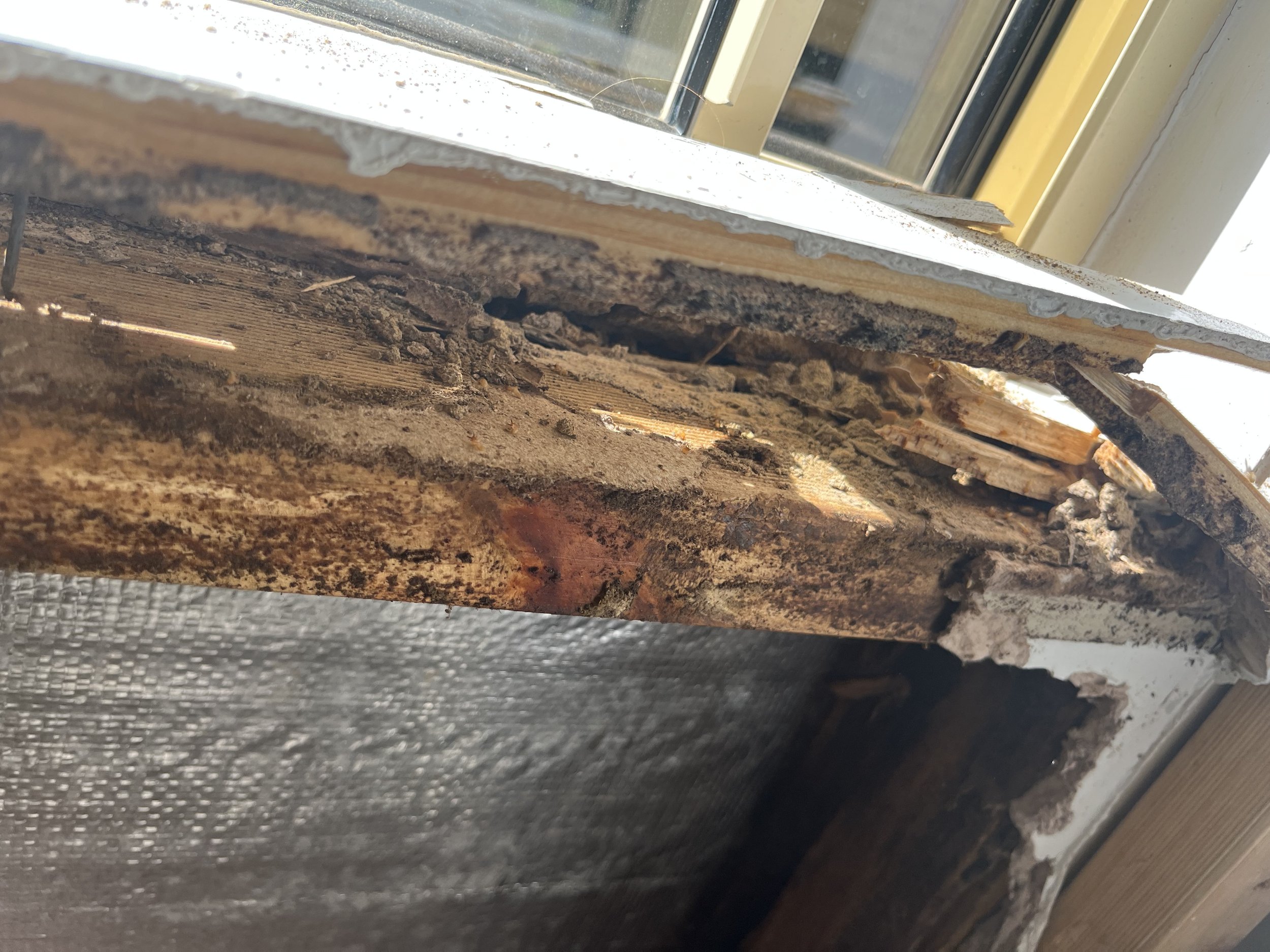
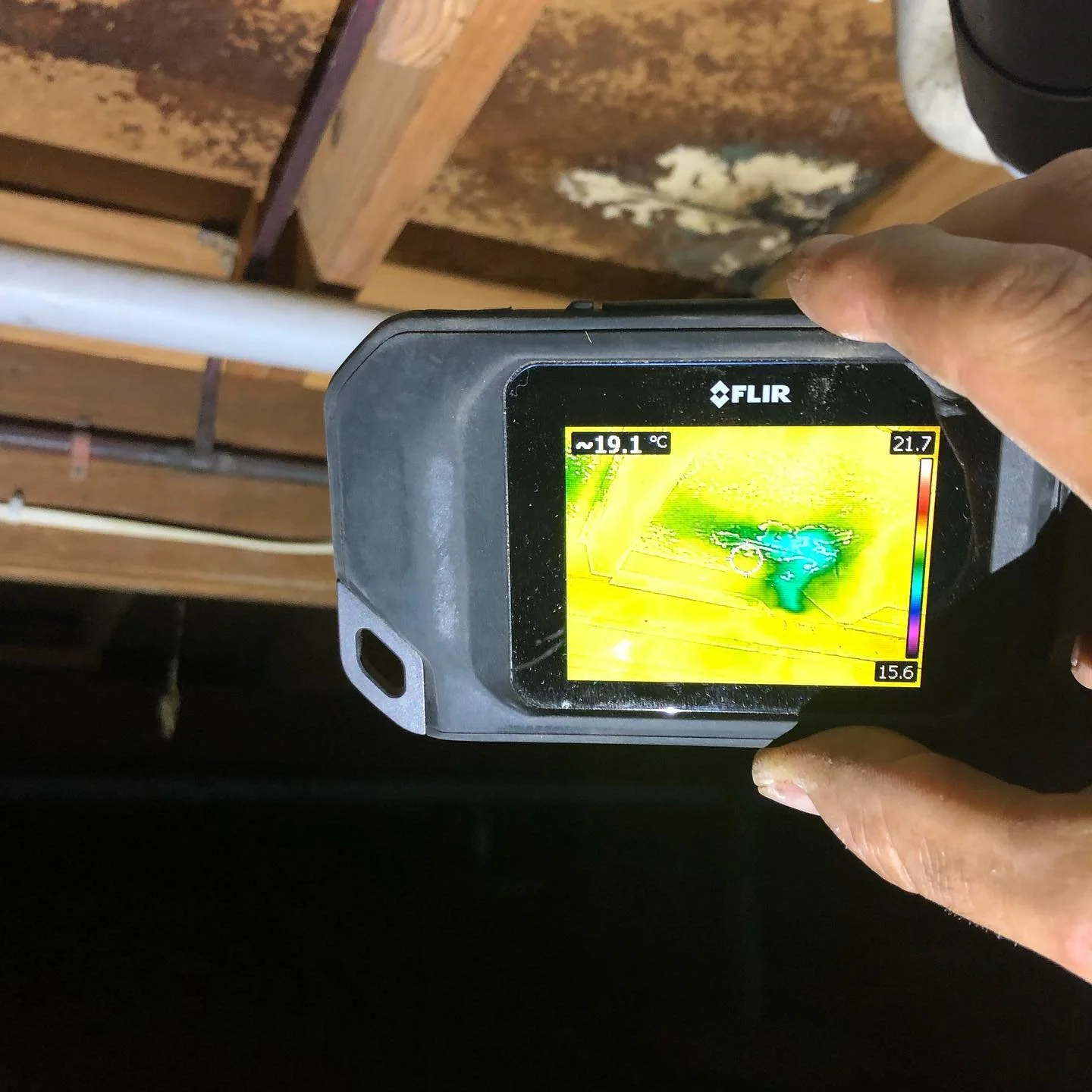
The True Cost Isn't the Treatment — It's the Repairs
When homeowners receive a quote for termite treatment, it's natural to focus on the immediate cost. But it's important to remember that termite treatment and termite repairs are two very different expenses.
A professional termite treatment is designed to eliminate or control the active infestation and help protect your home from further attack.
Repair costs, however, begin after the termites have already caused damage.
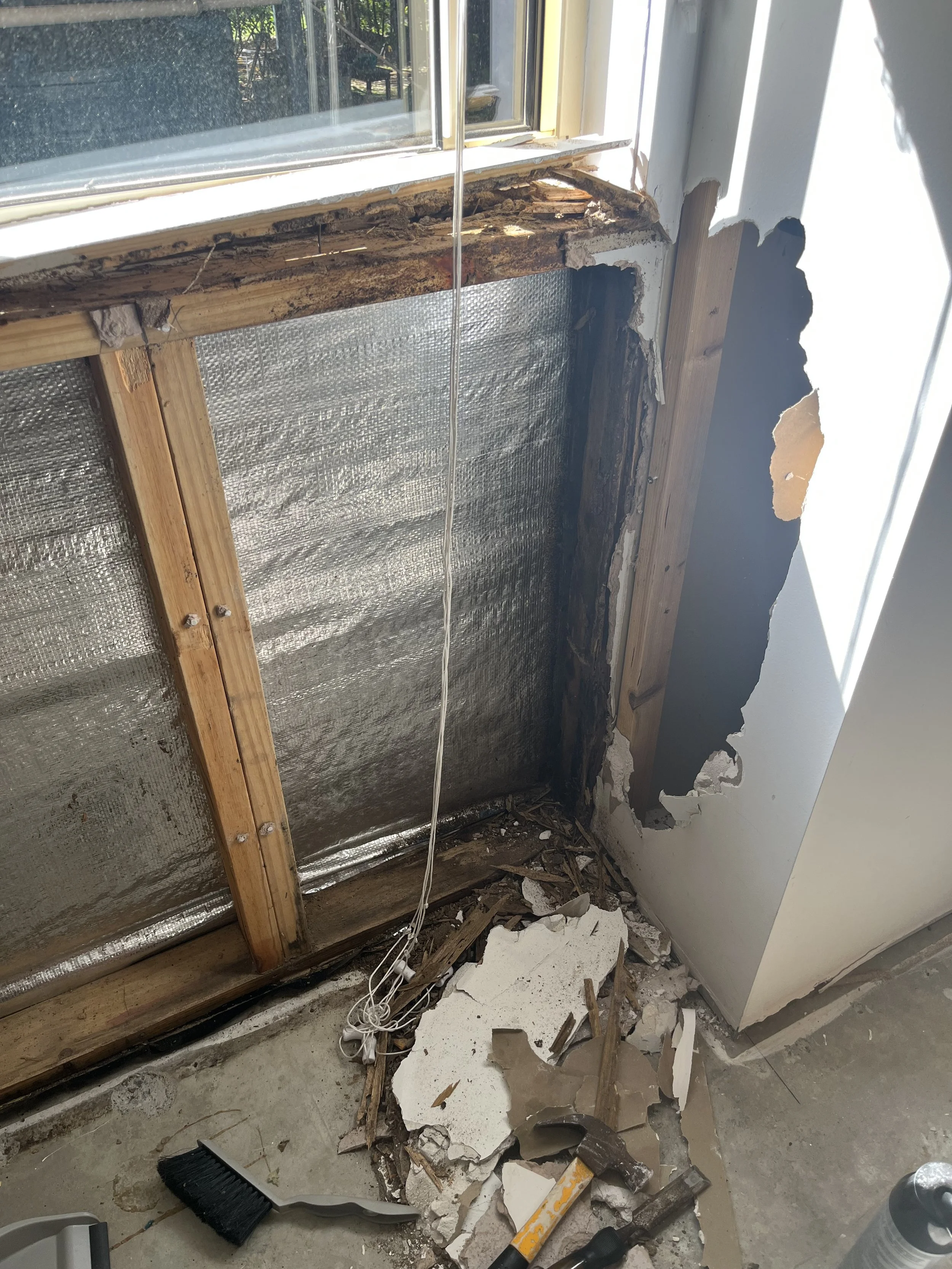
Depending on how far an infestation has progressed, repairs may involve:
Replacing wall frames
Repairing roof timbers
Replacing damaged flooring
Rebuilding decks or pergolas
Installing new skirting boards and architraves
Repairing internal plasterboard
Repainting affected areas
Replacing cabinetry or joinery
These repairs can quickly run into many thousands of dollars—far exceeding the cost of addressing the termite problem early.
Insurance Usually Won't Cover Termite Damage
One of the biggest surprises for many homeowners is learning that termite damage is generally not covered by standard home insurance policies.
Insurers typically classify termite damage as gradual deterioration or a maintenance issue rather than a sudden, unexpected event.
That means homeowners are often responsible for both:
the termite treatment, and
the cost of repairing the damage.
This is one of the reasons regular termite inspections and prompt treatment are so important—they help reduce the risk of expensive, uninsured damage.
Why Do People Delay Treatment?
Over the years, we've spoken with many homeowners across the Tweed Coast and Northern Rivers who delayed treatment for a variety of reasons.
Some of the most common include:
" I wanted another quote."
Seeking a second opinion is perfectly reasonable. However, it's important to arrange it promptly rather than waiting weeks while termites continue feeding.
" We're renovating soon."
Many people assume renovations will solve the problem.
Unfortunately, termites don't wait for renovation schedules. In fact, renovation work can sometimes uncover far more damage than expected if the infestation has continued unchecked.
" The damage doesn't look that bad."
Visible damage is often only a small fraction of what's actually happening inside the structure.
Professional inspections regularly uncover hidden damage extending well beyond what can be seen from the surface.
" I thought the termites had left."
Just because termites are no longer visible doesn't necessarily mean the colony has gone.
Without professional assessment, it's impossible to know whether the infestation is inactive or simply continuing in another section of the property.
" We'll deal with it next month."
This is probably the most expensive delay of all.
Every week gives termites more time to feed, expand, and cause additional damage that may never have occurred if treatment had started immediately.
The Northern Rivers Climate Creates Ideal Conditions
Homes throughout the Northern Rivers and Tweed Coast face ongoing termite pressure due to our warm, humid climate.
Areas such as:
Kingscliff
Casuarina
Pottsville
Tweed Heads
Murwillumbah
Banora Point
Terranora
Brunswick Heads
Mullumbimby
all experience conditions that termites thrive in for much of the year.
Following periods of heavy rainfall, moisture levels increase around homes, making timber even more attractive to termite activity.
This is why delaying treatment after termites have been detected can be particularly risky in our region.
Professional Treatment Stops the Problem at Its Source
Professional termite management isn't simply about killing the termites you can see.
A comprehensive treatment aims to:
locate the source of activity
determine the extent of the infestation
recommend the most appropriate treatment method
reduce the likelihood of ongoing termite activity
establish long-term protection for the property
Depending on the situation, this may involve:
targeted termite treatments
chemical soil barriers
baiting systems
ongoing monitoring
recommendations to reduce future termite risk
Every property is different, which is why a professional assessment is essential.
Prevention Is Always Less Expensive Than Repairs
One of the simplest ways to reduce the financial impact of termites is to catch them early.
Regular termite inspections can identify:
early signs of termite activity
moisture issues
conditions attractive to termites
structural vulnerabilities
previous termite damage
areas requiring ongoing monitoring
The earlier termites are detected, the more options are available—and the lower the likelihood of significant structural repairs.
Don't Give Termites More Time Than They Need
If termites have already been discovered on your property, time is one thing you don't want to give them.
Every day that passes provides another opportunity for the colony to continue feeding inside your home.
Acting quickly doesn't just stop the infestation sooner, it can dramatically reduce future repair costs and help protect one of your most valuable assets.
If you've noticed signs of termites or you've recently been advised that termite treatment is needed, arranging professional treatment as soon as possible is one of the smartest financial decisions you can make.
At Zone Pest, we help homeowners across the Northern Rivers and Tweed Coast identify termite activity, recommend the most appropriate treatment options and develop long-term termite management strategies to help protect their homes well into the future.
-
Termites don't stop feeding because you've scheduled treatment for next month or are waiting for another quote. Worker termites operate continuously, expanding through timber structures and causing hidden damage that often isn't visible until it's extensive.
The longer an infestation remains active, the more structural timber may be affected. What could have been a relatively straightforward treatment today may eventually require substantial repairs to wall frames, flooring, roof timbers, decks or other structural elements.
Acting promptly helps stop the infestation earlier and usually results in lower overall costs.
-
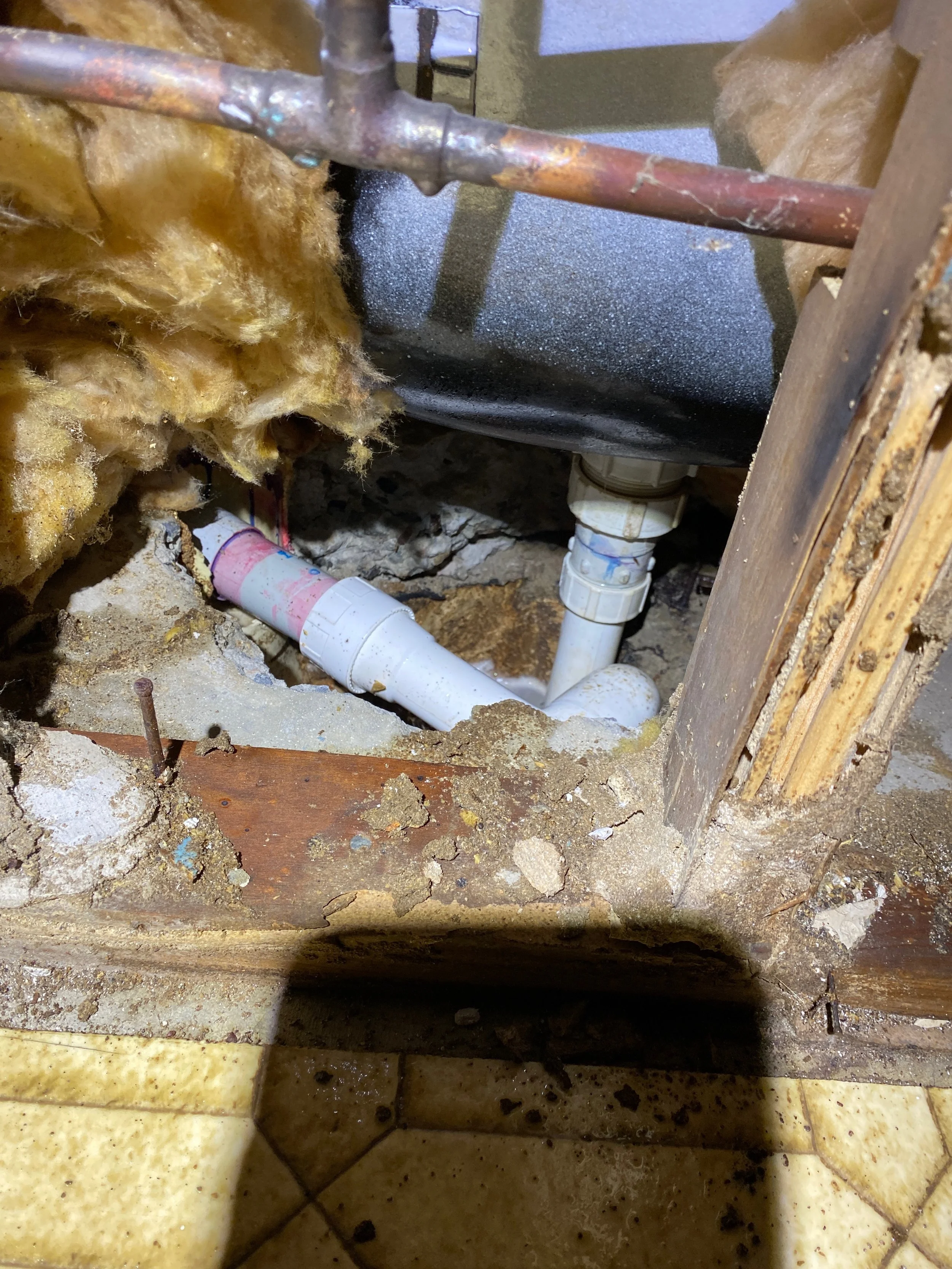
Termites consume timber from the inside out, often leaving surfaces looking intact while internal strength has been compromised.
Repair costs can quickly escalate when multiple areas require replacement, including:
Structural wall framing
Roof timbers
Flooring systems
Internal wall linings
Decks and pergolas
Built-in cabinetry
Door and window frames
The cost of repairing these components often far exceeds the original termite treatment, making early intervention the more economical option.
-
No. If termites have found a reliable food source, they generally continue feeding until the food source is exhausted or the colony is professionally managed.
Many homeowners hope termites will simply move elsewhere.Unfortunately, termites are highly organised social insects that continuously exploit suitable food sources.
If your home's timber remains accessible, the colony has little reason to abandon it.
Even if visible termite activity appears to have stopped, hidden activity may still be occurring elsewhere inside the property.
Only a professional inspection can determine whether the infestation is still active.
-
Every homeowner should feel comfortable obtaining more than one professional opinion before committing to treatment.
However, comparing quotes shouldn't involve waiting weeks while termites continue damaging your home.
If you're seeking additional advice, arrange inspections promptly so an informed decision can be made as soon as possible.
The goal is to minimise the amount of time termites remain active within the structure.
-
In most cases, no. Standard home insurance policies generally exclude termite damage.
Most insurers classify termite damage as gradual deterioration or preventable maintenance rather than an unexpected insured event.While policy wording varies between insurers, homeowners are commonly responsible for both:
termite treatment costs
structural repair costs
This is one of the reasons regular termite inspections are recommended, as early detection helps reduce the likelihood of expensive uninsured damage.
-
As soon as practical after active termites have been confirmed.
Once termites have been professionally identified, treatment should be organised promptly.Waiting provides additional time for the colony to continue feeding and potentially spread into other areas of the home.
The earlier treatment begins, the sooner the infestation can be managed and the lower the likelihood of further structural damage.
-
Arrange a professional termite inspection as soon as possible and avoid disturbing the affected area.
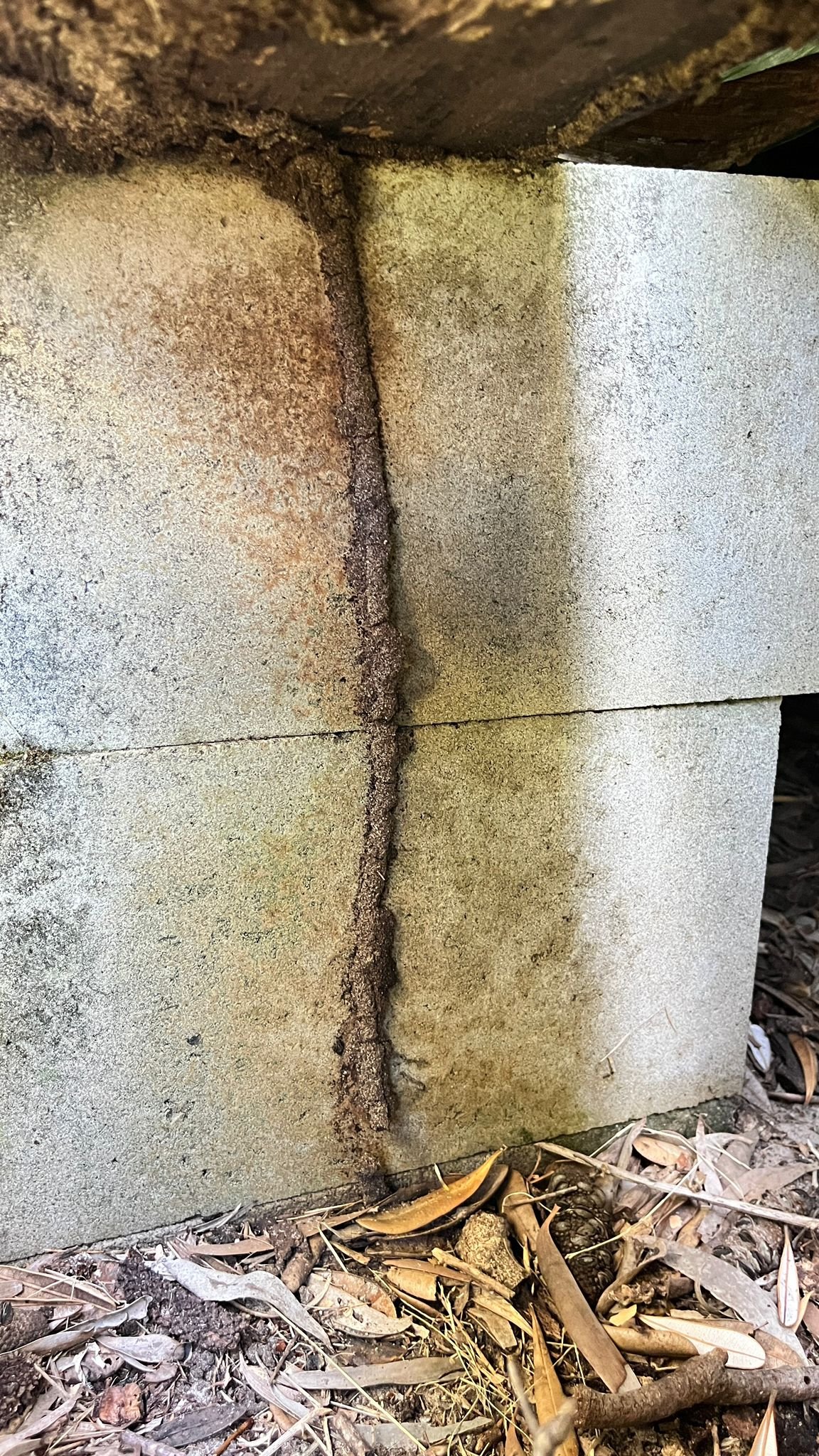
If you notice mud tubes, damaged timber, hollow-sounding wood, discarded termite wings or other signs of termite activity, it's important not to disturb the infestation.Spraying household insecticides or breaking open termite workings can cause the colony to relocate, making professional treatment more difficult.
A qualified termite inspection will determine:
whether termites are active
the extent of any damage
suitable treatment options
recommendations for ongoing protection
Early assessment provides the best opportunity to minimise both damage and future costs.
At Zone Pest, we specialize in identifying and mitigating termite & pest risks. Our experienced team conducts thorough inspections and provides tailored solutions to protect your property. Contact us today to schedule an inspection and ensure your
home remains termite-free & pest-free.
Remember, Australian Standards recommend having a licensed and insured pest manager inspect your property at least
once a year to maintain optimal protection against termites & other pests.
Written by Matt — Licensed Pest Technician, Zone Pest. Proudly protecting homes across the Northern Rivers region for over a decade.
Need Advice About Protecting Your Property?
Whether you've noticed signs of termite activity, need a routine inspection or simply want professional advice, Zone Pest is here to help.
We take the time to explain our findings, answer your questions and recommend solutions that suit your property's individual needs,
without unnecessary pressure or confusing technical language.
If you're ready to arrange an inspection or would like to discuss the best approach for protecting your home or business, contact Zone Pest today.