
What Is a Termite Barrier and How Does It Protect Your Home?
A termite barrier is a protective system installed around or beneath a building to reduce the likelihood of termites entering your home. Barriers can be chemical, using professionally applied termiticides, or physical, using specially designed materials that termites cannot easily penetrate. While no barrier can guarantee termites will never enter a property, they are one of the most effective long-term termite management strategies when combined with regular professional inspections.
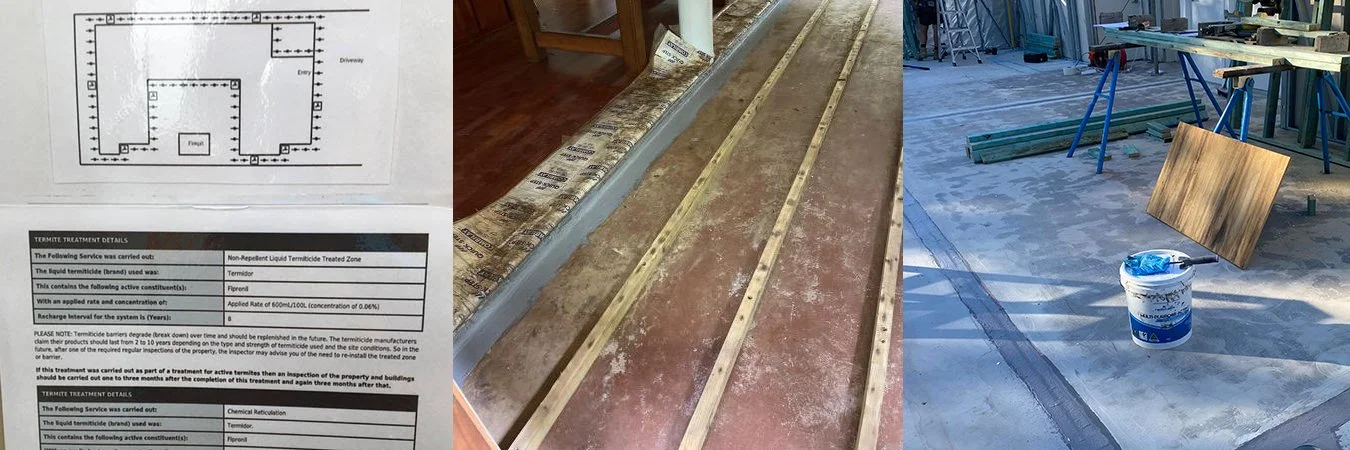
When most people think about termite protection, they picture someone spraying around the outside of a house or performing an annual termite inspection. While both are important, one of the most effective ways to protect your home from termite attack is through a professionally installed termite barrier.
A termite barrier acts as a defensive line between your home and the termites living in the surrounding soil. Considering that Australia is home to some of the world's most destructive termite species, and that termites are active all year round throughout the Northern Rivers, Tweed Coast and surrounding regions, having an effective termite management system in place can significantly reduce your risk of expensive structural damage.
The important thing to understand is that termite barriers are designed to manage termite risk—not eliminate it completely. No termite protection system can guarantee that termites will never find a way into a property. However, when installed correctly and supported by regular inspections, a termite barrier provides one of the strongest forms of long-term defence available.
Why Are Termite Barriers So Important?
Subterranean termites spend almost their entire lives underground. They build extensive colonies that can contain hundreds of thousands, and sometimes millions, of termites. From these colonies, they travel through underground tunnels in search of timber to feed on.
Unfortunately, your home provides exactly what they're looking for.
Wall frames.
Roof timbers.
Flooring.
Skirting boards.
Structural beams.
Even if your home appears perfectly maintained, termites can still find concealed entry points without being noticed.
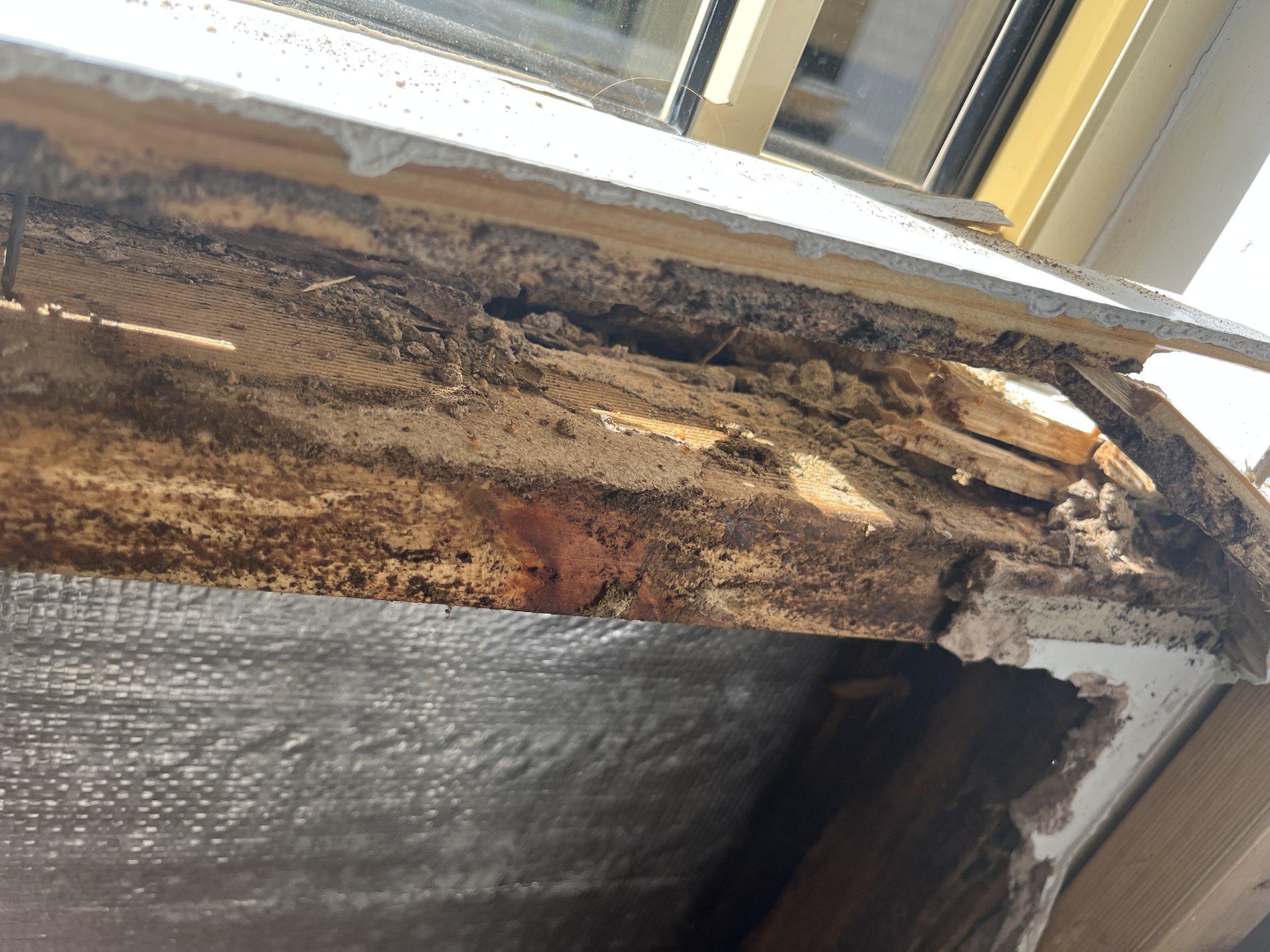
Because termites generally work from the inside out, significant damage can occur long before homeowners realise there's a problem.
A termite barrier helps interrupt this process before termites can establish themselves inside your home.
How Does a Termite Barrier Work?
The principle is actually quite simple.
Instead of allowing termites unrestricted access to your home, the barrier creates a protected zone around the structure.
As termites move through the soil searching for timber, they encounter this protective zone.
Depending on the type of barrier installed, one of two things happens:
They are unable to pass through the barrier.
They come into contact with a professional termiticide that transfers through the colony and significantly reduces termite activity.
This dramatically lowers the chances of termites reaching your home's structural timbers.
Chemical Termite Barriers
The most common termite barrier installed around existing homes is a chemical barrier.
A licensed technician applies a professional-grade termiticide into the soil surrounding the home. The treated soil creates a continuous protective zone that termites must pass through before reaching the building.
Modern products such as Termidor HE and Termidor SE, which Zone Pest uses where appropriate, are designed differently to older termite chemicals.
Rather than simply repelling termites, these advanced non-repellent termiticides allow termites to move through the treated area without immediately detecting it. As they travel back through the colony, they transfer the active ingredient to other termites through normal social behaviour
such as grooming and food sharing.
This "transfer effect" helps reduce termite activity well beyond the individual termites that first encounter the treatment.
Physical Termite Barriers
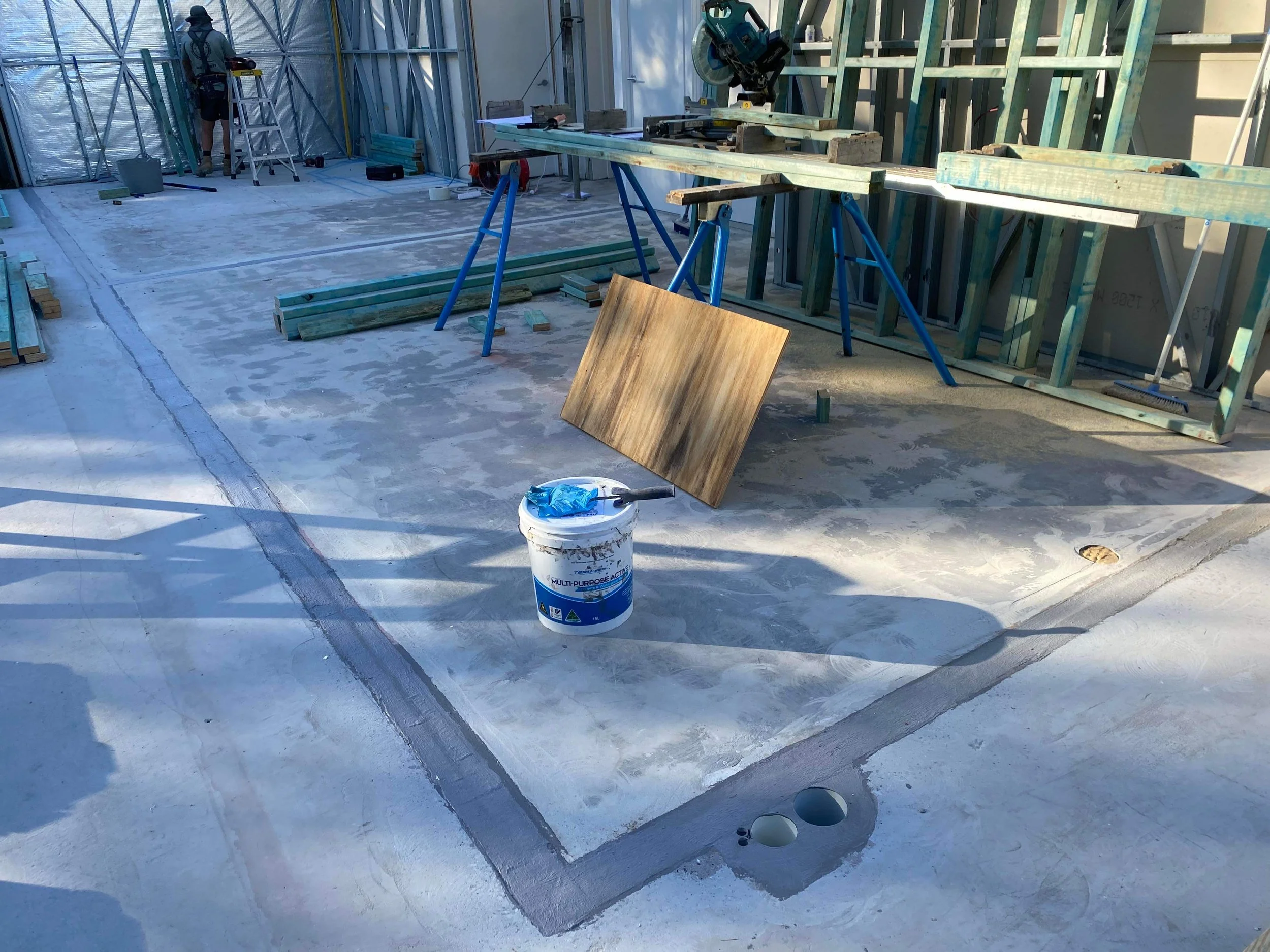
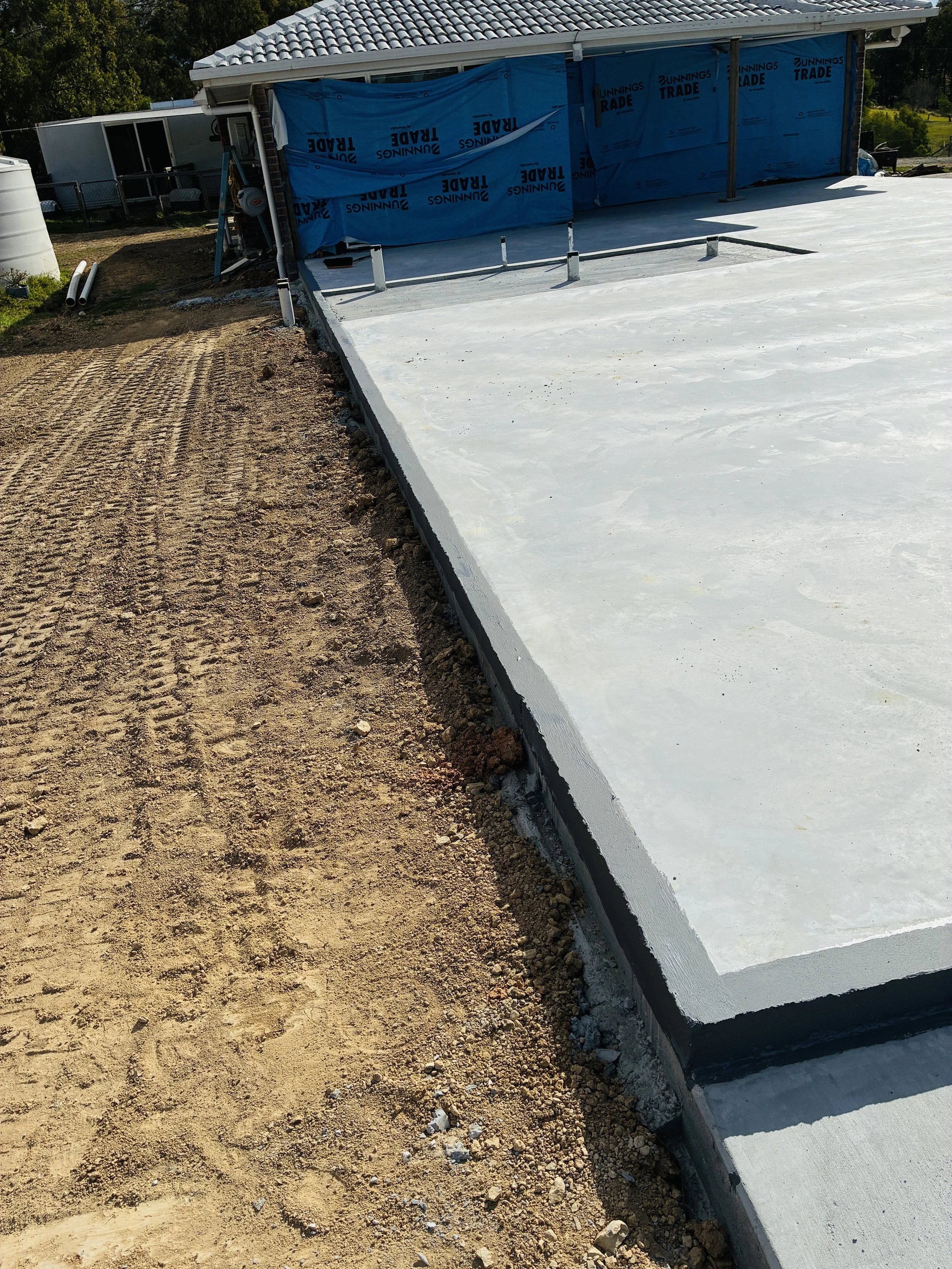
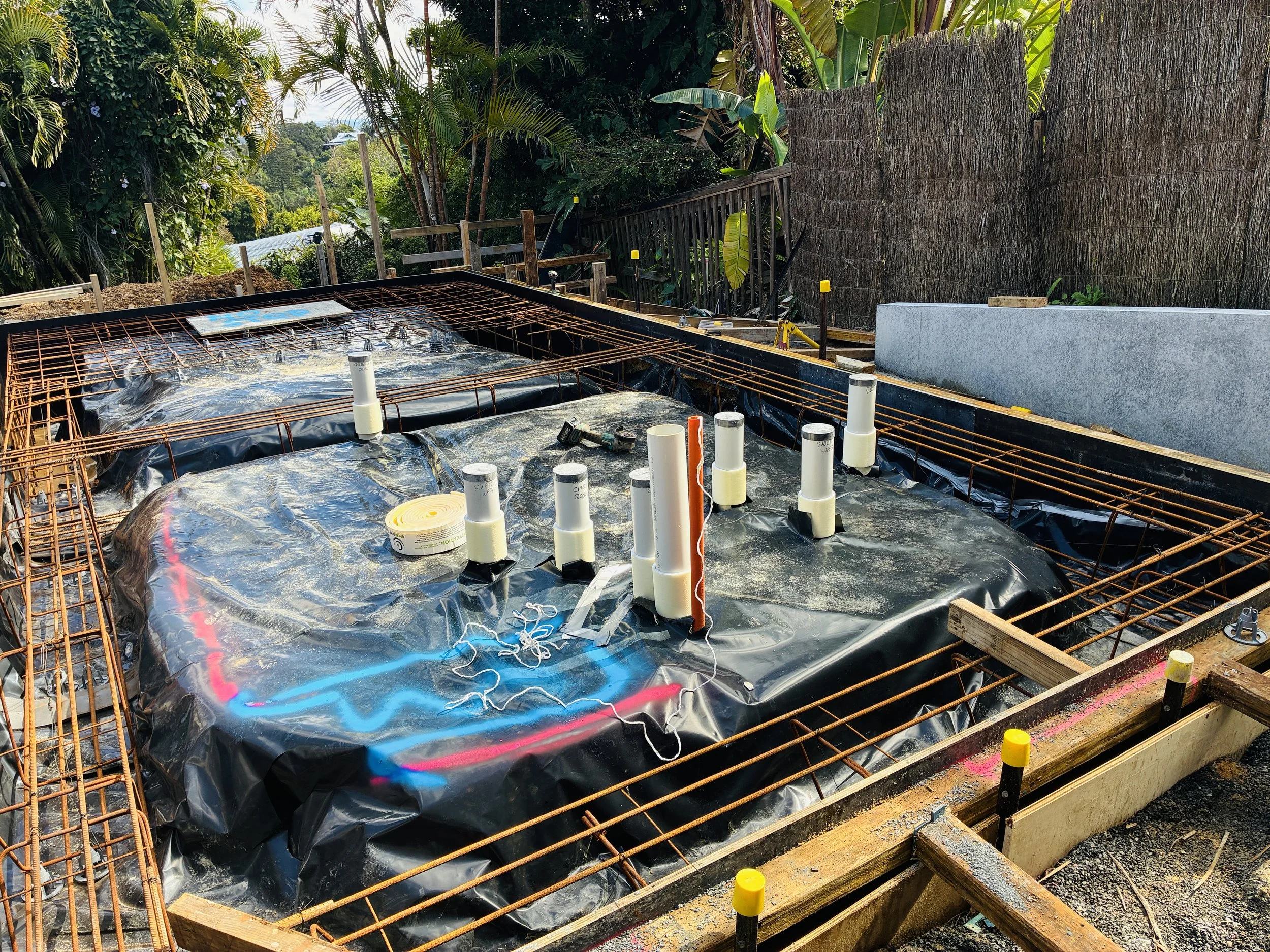
Physical termite barriers are commonly installed during the construction of new homes.
Instead of relying on chemicals, they use specially engineered materials that termites cannot easily penetrate.
These may include:
Stainless steel mesh systems
Graded stone barriers
Flexible membrane systems
Combination construction barriers
Rather than killing termites, physical barriers force termites into visible inspection zones where activity is easier to detect during routine inspections.
Although physical barriers can provide excellent long-term protection, they still require regular inspections to ensure they have not been bridged or compromised over time.
Can Existing Homes Have a Termite Barrier Installed?
Absolutely.
Many homeowners believe termite barriers are only available during construction.
This is not true.
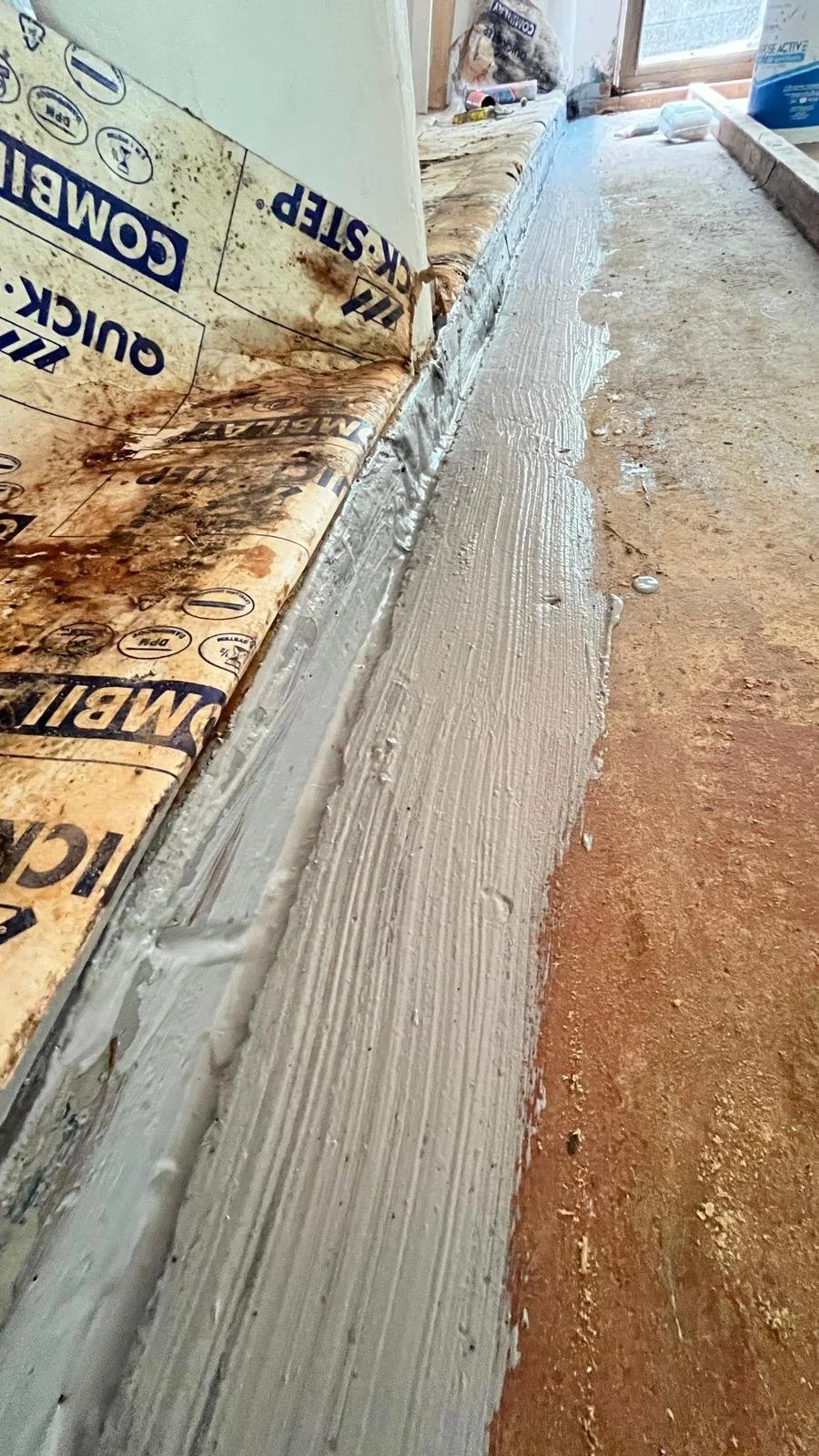
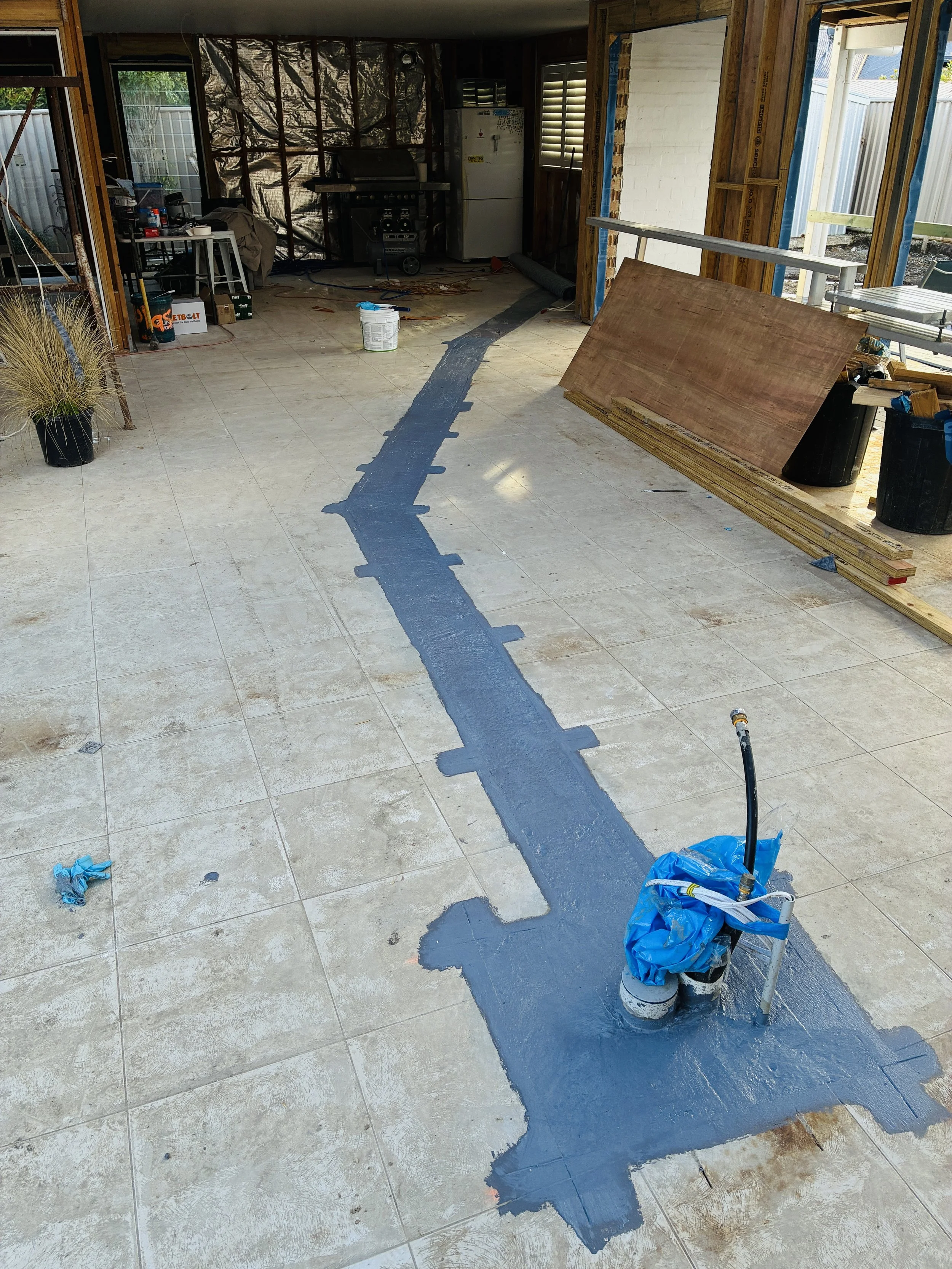
Most established homes throughout the Northern Rivers can have professionally installed chemical termite barriers added after construction.
Depending on the property's design, soil type, landscaping and construction methods, installation may involve:
Soil trenching
Soil injection
Concrete drilling and injection
Expansion joints
Paths and patios
Garage slabs
Internal treatment zones where appropriate
Every property is different, which is why a professional assessment is essential before recommending the most suitable treatment method.
How Long Does a Termite Barrier Last?
One of the most common questions homeowners ask is:
"How long will my termite barrier last?"
The answer depends on several factors:
The product used.
Soil conditions.
Rainfall.
Disturbance of treated soil.
Landscaping changes.
Building renovations.
Many modern professional termite barrier products are designed to provide protection for many years when installed correctly.
However, longevity should never replace ongoing inspections.
Even with a quality barrier, annual professional termite inspections remain essential to ensure the system continues performing as intended.
This is probably the biggest misconception homeowners have.
The answer is no.
No termite management system can guarantee complete protection forever.
Australian Standards recognise this reality.
Termites are persistent, adaptable insects capable of finding new entry points if conditions change or if barriers become compromised.
A termite barrier is best viewed as one important component of a complete termite management plan that also includes:
Annual termite inspections
Moisture management
Good property maintenance
Removal of timber-to-soil contact
Early detection of termite activity
Together, these strategies provide the highest level of protection.
Does a Termite Barrier Stop All Termites?
Signs Your Home May Need a Termite Barrier
Many homeowners only think about termite protection after discovering damage.
Ideally, protection should begin well before this happens.
You should consider a termite barrier if:
Your home has never had termite protection installed.
You live in a high-risk termite area.
You have experienced termite activity before.
Nearby properties have had termites.
You're renovating or extending your home.
Your current termite barrier is ageing.
You're purchasing an older property.
Early prevention is almost always more affordable than repairing termite damage.
The Northern Rivers and Tweed Coast provide ideal conditions for termite activity.
Warm temperatures.
High humidity.
Regular rainfall.
Bushland surrounds.
Timber homes.
These environmental conditions mean termite pressure remains consistently high throughout much of the year.
At Zone Pest, every termite barrier recommendation is tailored to the specific property, taking into account:
Construction type
Soil conditions
Surrounding vegetation
Moisture sources
Previous termite history
Existing protection systems
This customised approach helps provide the most effective long-term termite management solution for each property.
Why Local Knowledge Matters
A professionally installed termite barrier is one of the smartest investments you can make in protecting your home from costly termite damage.
Whether you're building a new home or looking to improve the protection of an existing property, the right termite management system
can dramatically reduce your risk while giving you greater peace of mind.
However, it's important to remember that no termite barrier replaces regular professional inspections.
The best protection comes from combining a quality termite barrier with ongoing monitoring, routine inspections and good property maintenance.
If you're unsure what type of termite protection your home currently has—or whether your existing barrier is still performing
effectively—a professional termite inspection is the ideal place to start.
A termite barrier is one of the most effective long-term methods of reducing the risk of termite attack.
There are two main types of termite barriers: chemical barriers and physical barriers.
Chemical barriers create a treated zone around your home that termites pass through, helping to reduce termite activity.
Physical barriers are generally installed during construction and are designed to prevent concealed termite entry.
Existing homes can often have a chemical termite barrier professionally installed.
No termite barrier can provide a lifetime guarantee against termites.
Regular professional termite inspections remain essential, even if you have a termite barrier.
Properties throughout the Northern Rivers and Tweed Coast are considered high-risk for termite activity due to the warm, humid climate.
A professional assessment ensures the right termite protection system is selected for your property's construction and environment.
Zone Pest - Key Takeaways
-
A termite barrier is a protective system installed around or beneath a building to reduce the risk of termites entering the structure. Depending on the type of barrier, it either creates a treated zone that termites cannot safely pass through or physically prevents concealed access into the building.
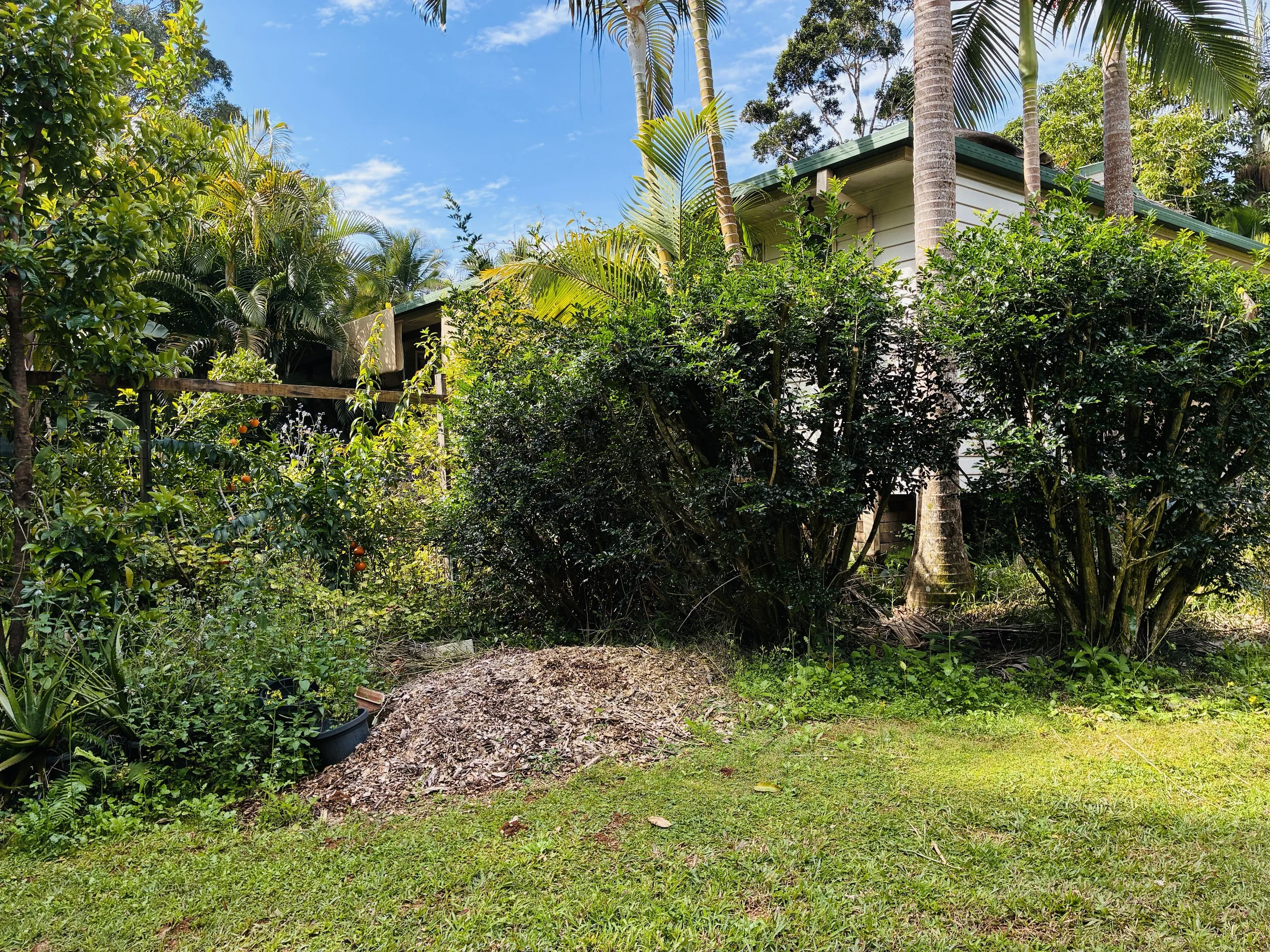
A termite barrier is best thought of as your home's first line of defence against subterranean termites.Because termites live underground, they usually enter homes through the soil beneath or around the foundations. A termite barrier is installed in these areas to interrupt their path before they reach the timber inside your home.
There are two primary types of termite barriers:
Chemical termite barriers, which use professional-grade termiticides applied to the soil.
Physical termite barriers, which use specially designed materials installed during construction to restrict concealed termite entry.
Neither type completely eliminates the possibility of termite attack, but both significantly reduce the risk when installed correctly and supported by regular termite inspections.
-
Modern chemical termite barriers work very differently from older treatments.
Products such as Termidor HE and Termidor SE are non-repellent termiticides. This means termites cannot easily detect that they have entered a treated area.
Instead of avoiding the treatment, termites continue moving through the soil as they normally would. During this process, they pick up tiny amounts of the active ingredient and transfer it to other termites within the colony through grooming and food sharing.
This transfer effect can reduce activity throughout sections of the colony rather than simply affecting individual termites.
A continuous treated zone around the home is critical. Gaps in the barrier can provide termites with an opportunity to bypass the protection.
-
Chemical termite barriers are the most common option for existing homes because they can be installed after construction.
Physical barriers are typically incorporated during the building process and become part of the home's construction.
Chemical barriers work by treating the soil around the building, while physical barriers force termites to reveal themselves before entering the structure.
Many new homes include physical barriers, but this does not remove the need for ongoing termite inspections. Physical barriers can still become compromised through landscaping, renovations or structural alterations.
-
Many homeowners incorrectly assume termite barriers are only available when building a new house.
Fortunately, modern chemical termite barriers can be installed around many existing homes.
The process may involve:
Trenching around foundations
Injecting termiticide into the soil
Drilling through concrete paths or driveways
Treating expansion joints
Treating areas beneath paving where required
Every property presents different challenges, which is why a professional inspection is essential before recommending the most appropriate treatment strategy.
-
There is no single answer because every property is different.
Professional termite barrier products are designed to provide long-term protection, but their effectiveness can be influenced by:
Heavy rainfall
Soil movement
Garden excavation
Building extensions
Plumbing work
Tree removal
Installation quality
Rather than relying solely on the age of the barrier, homeowners should arrange annual termite inspections so any issues can be identified before termites gain access.
-
One of the biggest misconceptions surrounding termite barriers is that they make a home permanently termite-proof.
Unfortunately, this isn't how termite management works.
Termites are incredibly persistent and may exploit:
Changes in soil levels
Landscaping modifications
Plumbing leaks
Cracks in concrete
Untreated additions
Areas where the barrier has been disturbed
This is why Australian Standards recommend combining termite barriers with regular professional inspections and good property maintenance.
A comprehensive termite management plan provides far greater protection than relying on any single treatment alone.
-
Your termite barrier protects one of your biggest investments, so it makes sense to have it checked routinely.
Over time, barriers can be affected by:
Garden renovations
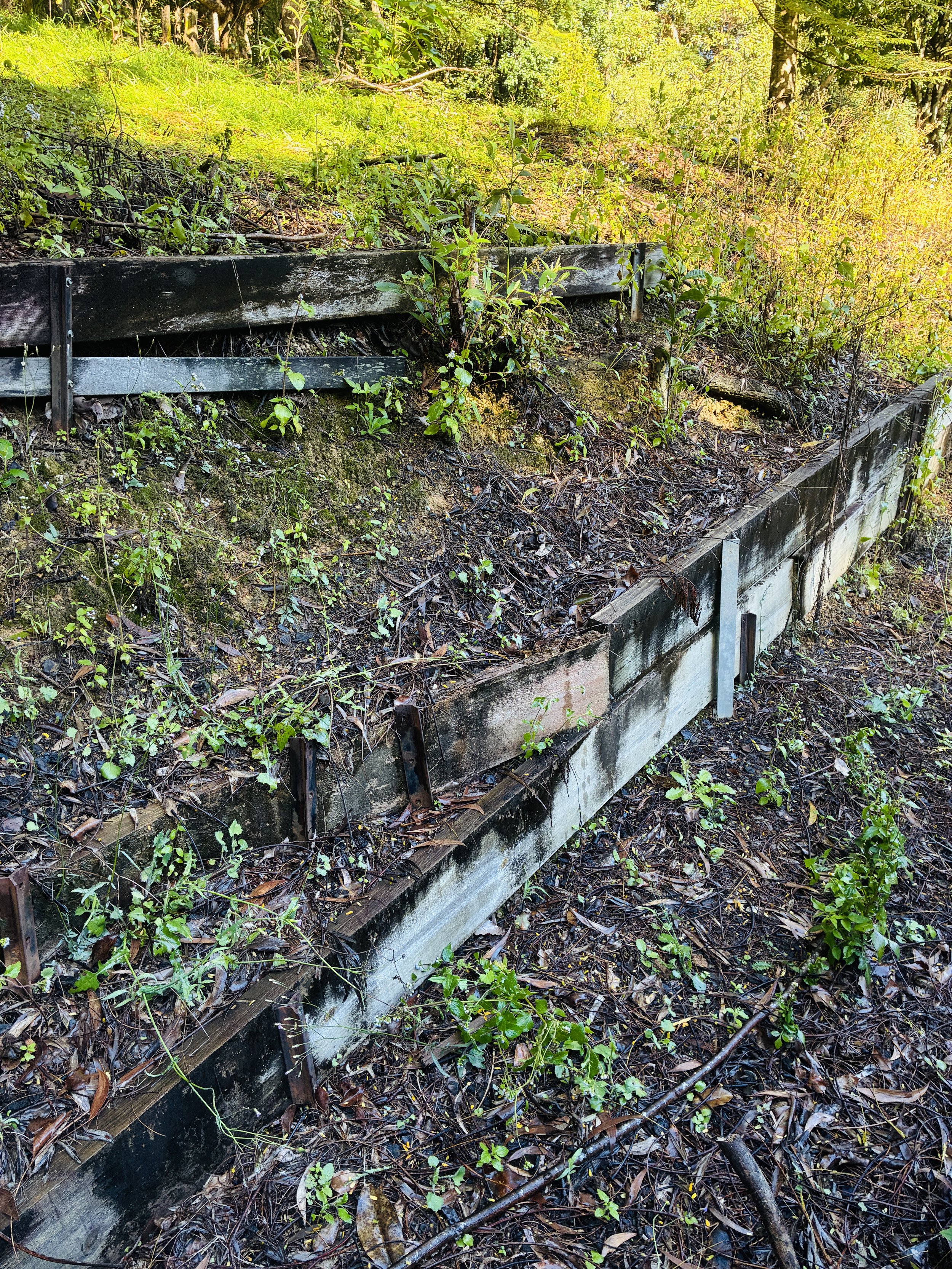
New retaining walls
Excavation
New plumbing
Concrete alterations
Tree root growth
Soil erosion
Even simple landscaping projects can unintentionally create gaps in a chemical barrier.
Professional termite inspections allow technicians to identify these issues before termites take advantage of them.
-
Repairing termite damage can cost many thousands of dollars and is often not covered by standard home insurance policies.
Compared with the potential repair costs, investing in preventative termite protection is generally far more affordable.
Beyond the financial savings, homeowners also benefit from:
Greater peace of mind
Reduced likelihood of hidden termite damage
Increased property protection
A structured termite management plan
Confidence that the home is being professionally monitored
When combined with annual inspections, a termite barrier provides one of the highest levels of protection currently available for residential properties.
At Zone Pest, we specialize in identifying and mitigating termite & pest risks. Our experienced team conducts thorough inspections and provides tailored solutions to protect your property. Contact us today to schedule an inspection and ensure your
home remains termite-free & pest-free.
Remember, Australian Standards recommend having a licensed and insured pest manager inspect your property at least
once a year to maintain optimal protection against termites & other pests.
Written by Matt — Licensed Pest Technician, Zone Pest. Proudly protecting homes across the Northern Rivers region for over a decade.
Need Advice About Protecting Your Property?
Whether you've noticed signs of termite activity, need a routine inspection or simply want professional advice, Zone Pest is here to help.
We take the time to explain our findings, answer your questions and recommend solutions that suit your property's individual needs,
without unnecessary pressure or confusing technical language.
If you're ready to arrange an inspection or would like to discuss the best approach for protecting your home or business, contact Zone Pest today.