
Unique Pest Challenges on Acreage and Rural Properties
Acreage and rural properties can face greater pest challenges because they contain more vegetation, timber, sheds, fences, outbuildings, moisture sources and potential pest harbourage. Effective rural pest management should consider the entire property environment, not just the house, particularly when assessing risks from termites, rodents and other common pests.
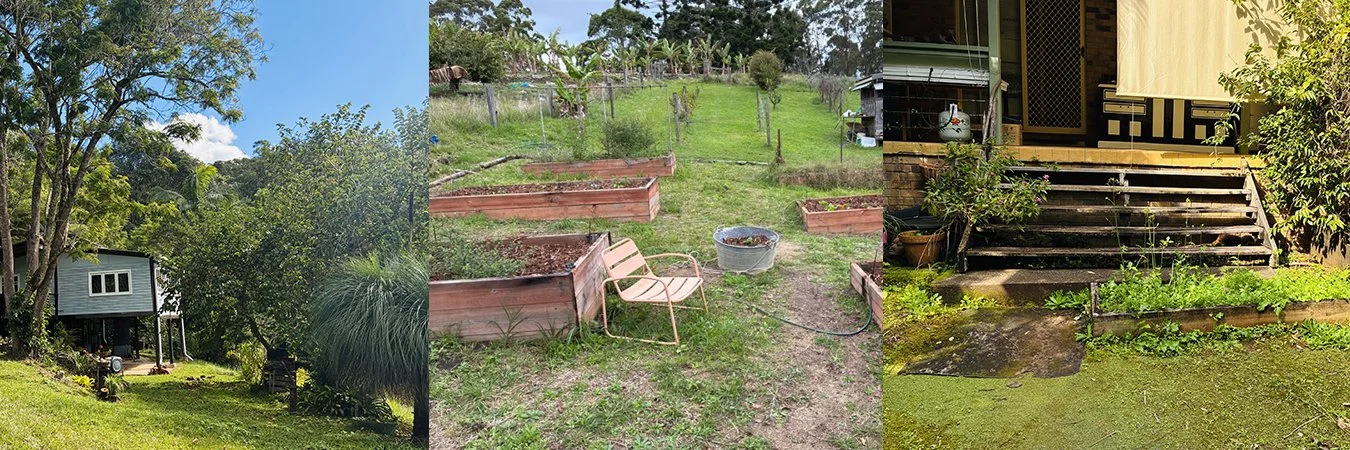
Living on acreage in the Northern Rivers has plenty going for it. More space, more privacy, beautiful vegetation and room for sheds, gardens, animals and outdoor living are some of the reasons people choose a rural lifestyle.
From a pest management point of view, though, all that extra space can create a very different environment from the average suburban block.
When I inspect a rural property, I don't just think about what's happening inside the house. I want to understand what's happening around it.
Where is the moisture?
Where is timber contacting the ground?
What's stored in the shed?
What's growing against the building?
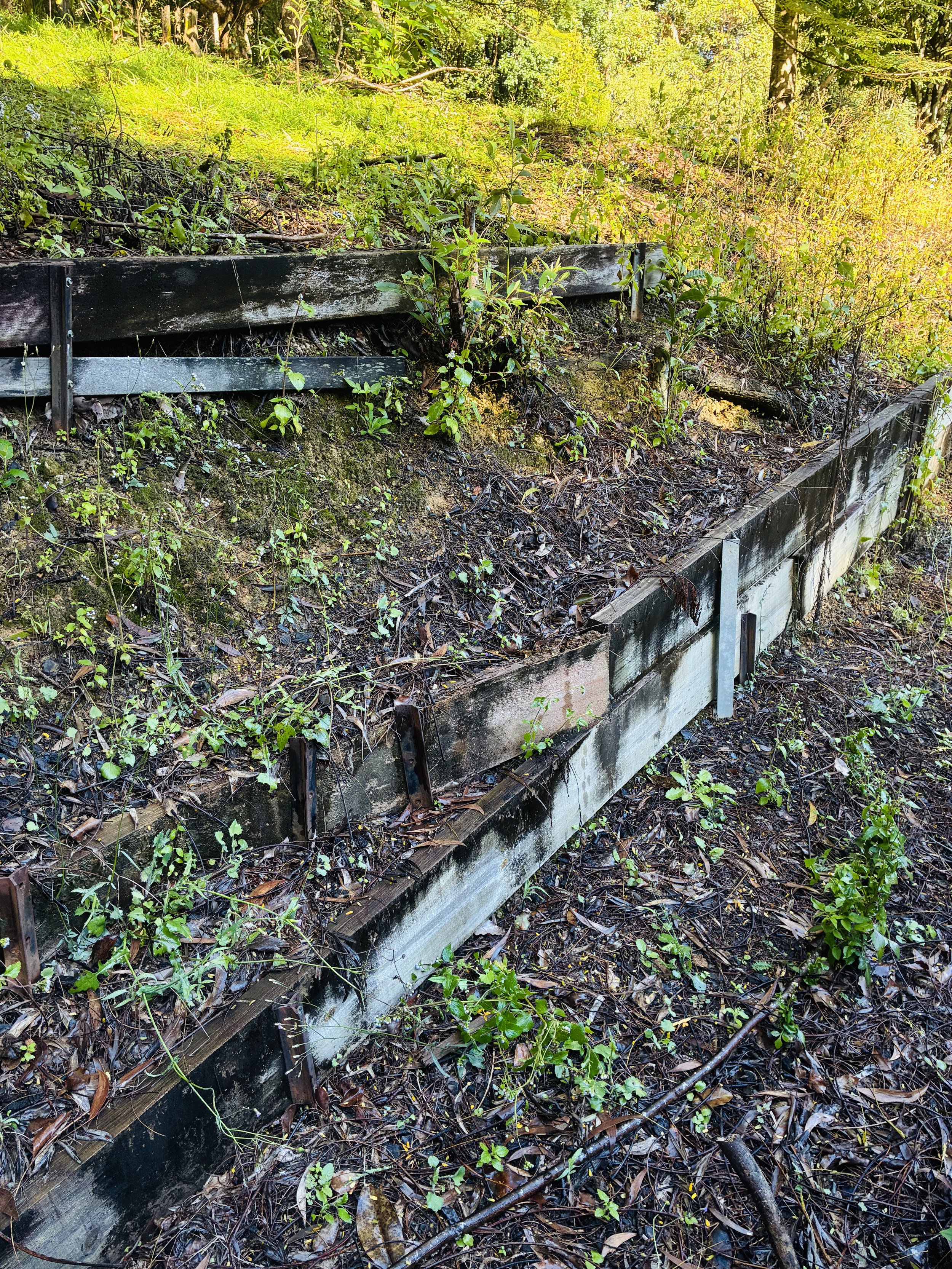
Are there old fences, retaining walls, fallen branches, tree stumps or landscaping timbers around the property?
Are there other structures that could be harbouring termites or rodents?
On acreage, the house is really only one part of the pest-control picture.
Why Pest Control Is Different on an Acreage Property
One of the obvious differences between a suburban property and an acreage property is simply the amount of environment surrounding the home.
A typical residential block might have a house, garage, small garden and boundary fence.
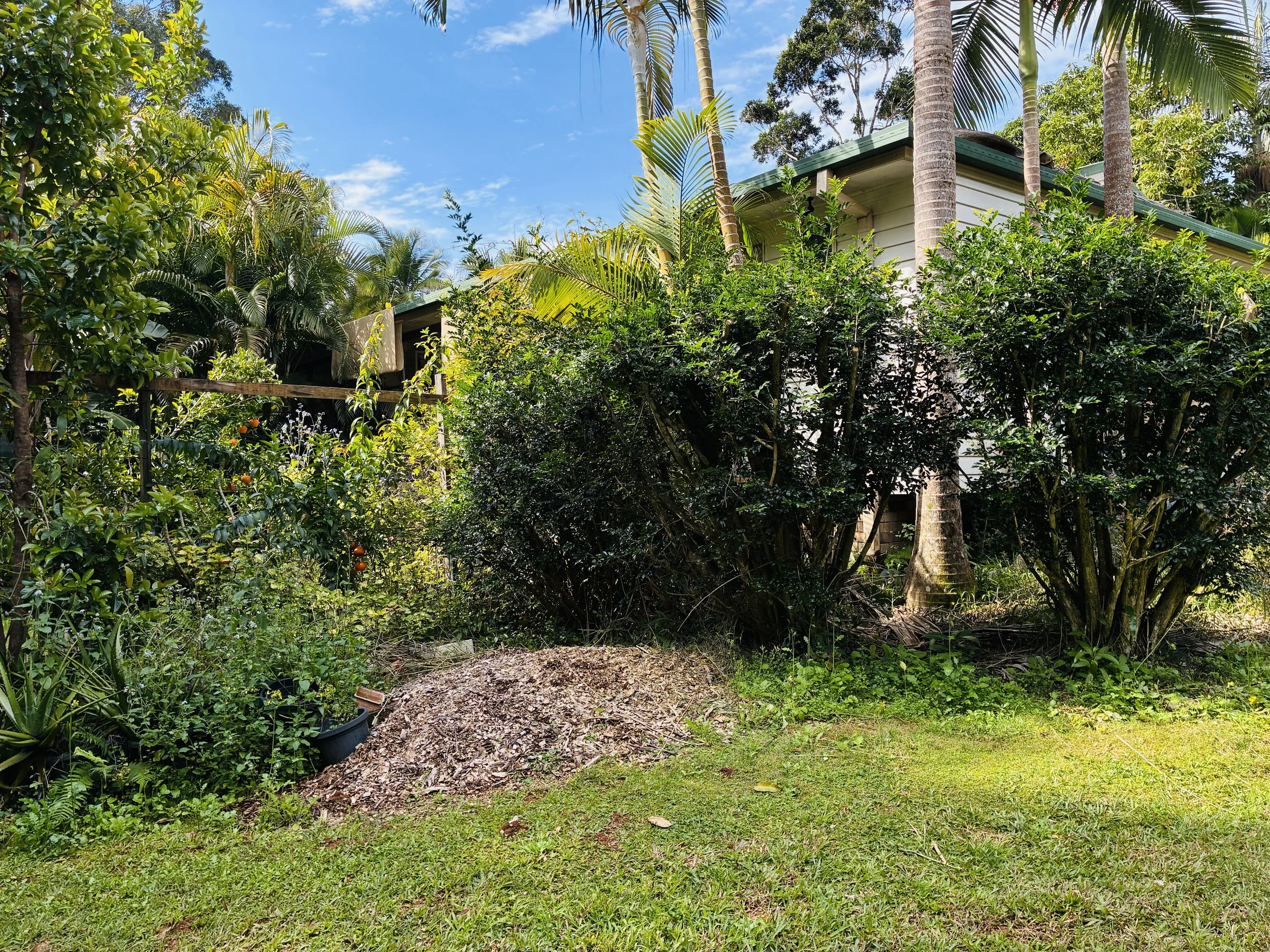
An acreage property can have all of that plus sheds, workshops, barns, stables, water tanks, pump houses, carports, timber piles, large gardens, retaining walls, mature trees and considerable areas of natural vegetation.
Every additional structure and environmental feature potentially changes the pest picture.
That's why rural pest management needs to be approached as a property-wide issue.
It doesn't necessarily mean you'll have more pests. It means there can be more places for pest activity to develop unnoticed and more pathways connecting the surrounding environment with the buildings you want to protect.
Termites Can Come From Well Beyond the House
Termites are one of the biggest concerns I have when inspecting acreage properties around the Northern Rivers.
The mistake homeowners sometimes make is thinking termite risk begins at
the walls of the house. It doesn't.
Subterranean termites live and forage through the surrounding environment. Trees, stumps, buried timber, old fencing, landscaping materials and other cellulose sources can all form part of that environment.
That doesn't mean every tree or timber fence is a problem. Termites are a natural part of the Australian environment and play an important ecological role.
The issue is understanding what's happening around the building and identifying conditions that could increase the risk of concealed termite entry.
On an acreage property, there can simply be much more ground to consider.
An old stump away from the house, a timber retaining wall, stored building materials beside a shed or timber sitting directly on soil may seem unrelated to the main residence, but these features all help us understand the broader termite environment.
That's one reason I believe a good termite inspection needs to look beyond the obvious.
Sheds and Outbuildings Can Become Pest Hotspots
Sheds are one of the first places I look closely at on rural properties.
They often contain exactly the conditions pests like:
stored cardboard
timber
animal feed
gardening products
old furniture
machinery
boxes
building materials
areas that remain undisturbed for long periods.
Rodents can take advantage of food and shelter. Spiders can establish themselves in quiet corners. Cockroaches and ants may find food and moisture.
Termites can also be a concern where sheds contain timber or have construction elements susceptible to attack.
Outbuildings should therefore form part of the broader inspection picture rather than being treated as completely separate from the home.
Fences, Retaining Walls and Landscaping Matter Too
One of the benefits of inspecting the wider property is that we can identify environmental conditions a homeowner may not naturally associate with pest management.
Timber fences are a good example.
So are timber retaining walls, garden edging, sleepers, pergolas and landscaping structures.
Again, the presence of timber doesn't automatically mean there is a pest problem.
What matters is its condition, location and relationship to the buildings around it.
We pay particular attention to areas where timber is in contact with soil, where moisture is persistent or where deterioration is occurring.
Landscaping around the house matters as well.
Dense gardens can make inspection difficult. Soil or garden beds built up against walls can obscure areas we would normally want visible.
Mulch and vegetation can retain moisture.
The objective isn't to strip away your landscaping. It's to understand how it interacts with the building.
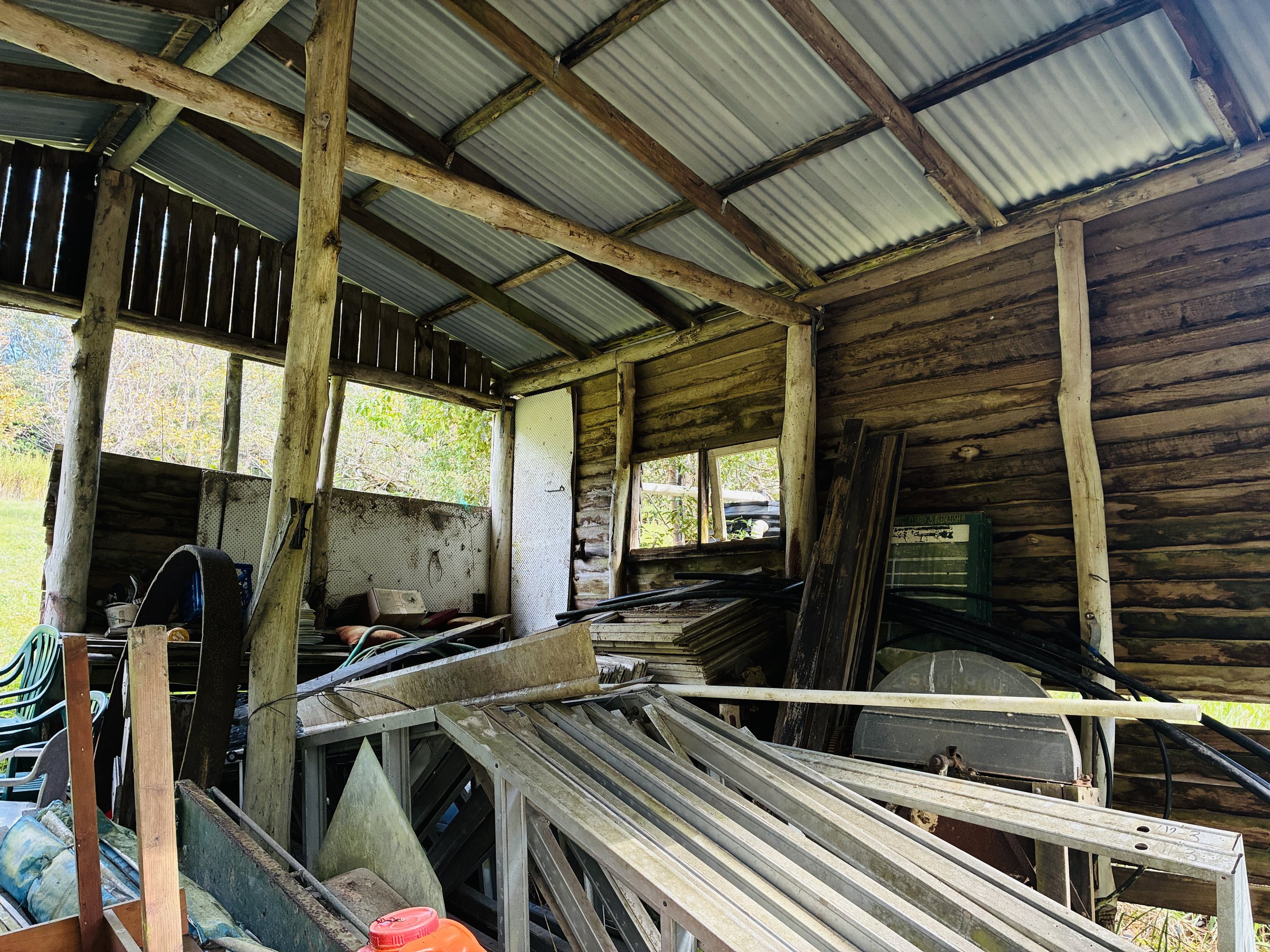
Rats and mice can be particularly challenging on rural properties because food and shelter can be plentiful.
Sheds, feed storage areas, garages, roof voids and cluttered storage spaces can provide harbourage.
The NSW Department of Primary Industries recommends ongoing monitoring and preventative measures such as rodent-proofing buildings and storage areas, controlling debris and potential ground cover, reducing food availability and dealing with grain spillage where applicable.
That preventative approach is particularly relevant on acreage.
Simply dealing with a rodent after it appears inside the house may solve the immediate problem without addressing why it was able to establish itself there.
Effective rodent management is often about looking at the bigger picture.
Where are they travelling?
What are they feeding on?
Where could they be nesting?
How are they getting into the building?
What can be changed to make the property less attractive?
Rodents Have More Places to Hide
Vegetation Can Create Pathways Towards the Home
One of the things people love most about acreage living is vegetation.
Unfortunately, vegetation can also create pest-management challenges.
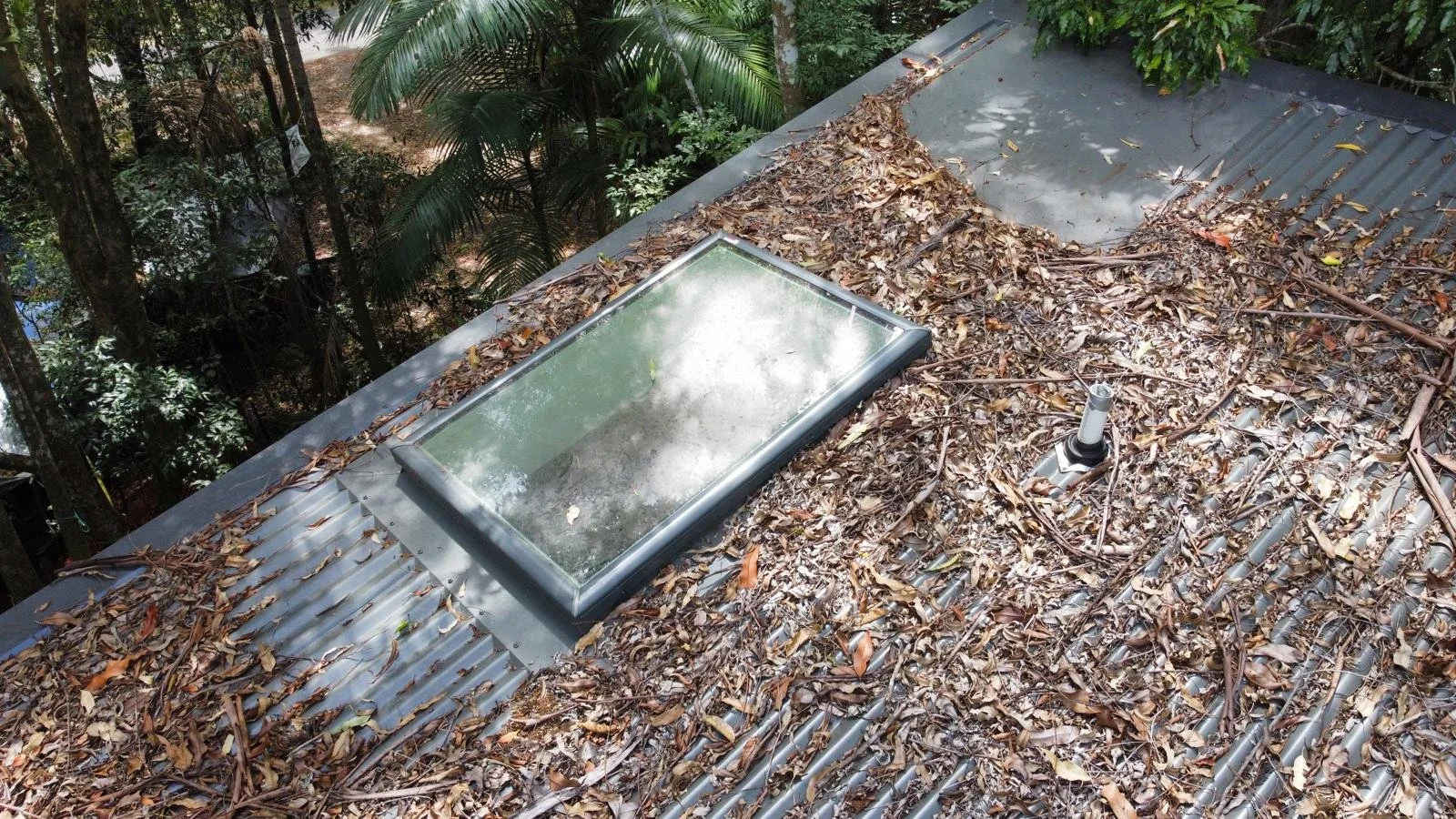
Tree branches touching or overhanging a roof can provide access opportunities for some pests. Dense shrubs against walls can make inspection difficult. Leaf litter and organic debris can create harbourage around structures.
Large trees and gardens can also influence moisture conditions.
None of this means vegetation is bad.
It's about management.
Keeping sensible clearance around important structures can improve visibility and make it easier to identify developing problems before they become serious.
Moisture is something we pay close attention to during pest and termite inspections.
The Northern Rivers already experiences environmental conditions that can create moisture challenges, and rural properties can add another layer.
There may be:
drainage issues
leaking water tanks or pipework
damp subfloors
poor ventilation
irrigation
water collecting around sheds
vegetation restricting airflow
areas where ground levels direct water towards buildings.
Moisture doesn't automatically mean termites are present, but persistent dampness can create conditions worth investigating.
It can also contribute to timber deterioration and other building issues.
This is where inspection technology can become valuable.
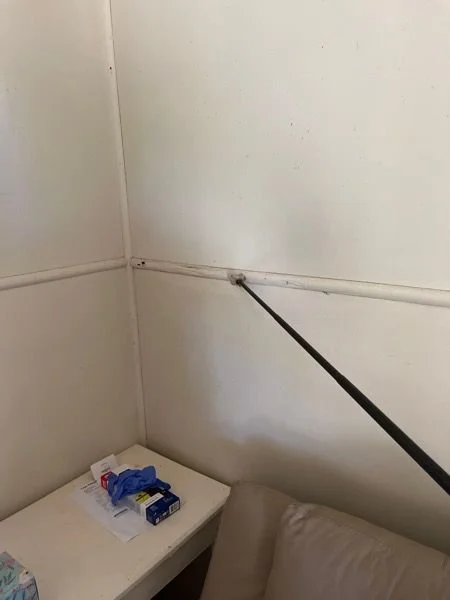
At Zone Pest, we use tools such as thermal imaging and moisture detection as part of our investigative process where appropriate. These technologies don't magically "see termites", but they can help identify anomalies and areas that deserve closer investigation.
Why Do People Delay Treatment?
Stored Timber and Building Materials Need Attention
Acreage properties tend to accumulate things.
It's almost part of the lifestyle.
There might be timber left over from a fencing project, old decking boards behind the shed, firewood, spare building materials or
timber pallets that might be useful one day.
From a termite-management perspective, where and how these materials are stored matters.
Timber sitting directly on the ground can provide a potential food source for termites and can also make activity harder to notice.
Where practical, timber and firewood should be stored appropriately and positioned so they don't create unnecessary problems around important structures.
Old timber that serves no purpose is often better removed.
Termites and rodents deserve plenty of attention on acreage, but they're certainly not the only pests we encounter.
Rural properties can also experience:
spiders
ants
cockroaches
fleas
wasps
mosquitoes and other nuisance insects.
The surrounding environment plays a big role in determining what appears and when.
Seasonal conditions matter too.
Warm weather, rain, humidity and changes in available food and shelter can all influence pest activity.
This is why pest management should be tailored to the property rather than relying on a one-size-fits-all approach.
Spiders, Ants and Other General Pests
Why the Whole Property Needs to Be Considered
When someone asks me whether we inspect sheds, fences, landscaping and outdoor areas, the answer is that these areas can be extremely important.
Pests don't understand property boundaries, and they don't limit themselves to the living room.
A termite colony may be somewhere in the surrounding environment.
Rodents may be nesting in a shed before finding their way into the house.
Ants may be established outside before trails become obvious indoors.
The more we understand about the property as a whole, the better we can identify potential risks and recommend practical management strategies.
That doesn't mean every square metre of a large rural block is inspected in exactly the same way.
It means we look at the property intelligently, focusing on structures, environmental conditions, potential harbourage and areas relevant to the pest problem.
Technology Helps Us Investigate What We Cannot Easily See
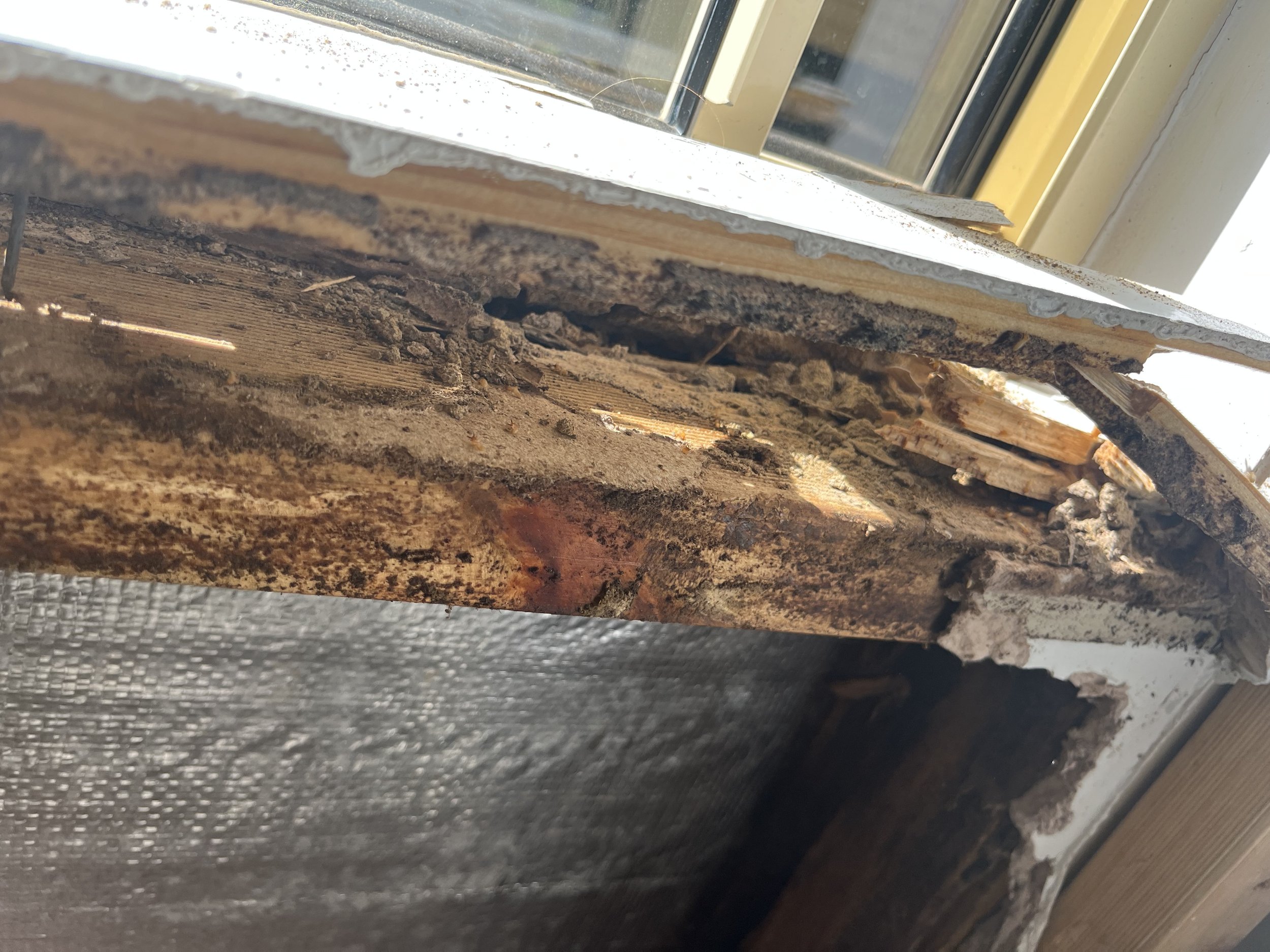
One of the challenges with pest inspections is that many of the most important problems aren't immediately visible.
Termites are a perfect example.
They can travel and feed inside concealed areas of a structure.
That's why a professional inspection combines experience with appropriate technology.
At Zone Pest, our inspection equipment includes thermal imaging and other detection technology that can help us investigate suspicious areas.
Technology isn't a replacement for experience.
It's another tool.
A thermal camera, for example, identifies temperature differences. It doesn't produce a picture with a flashing sign saying "termites here".
The technician still needs to understand what those readings could mean and investigate further.
On large or complicated rural properties, having more ways to investigate can be particularly useful.
How Often Should an Acreage Property Be Inspected?
There isn't one inspection schedule that's perfect for every acreage property.
The right frequency depends on factors including:
construction type
termite-management systems
previous termite history
surrounding vegetation
moisture
landscaping
accessibility
local conditions
changes made to the property.
What matters is not becoming complacent simply because you've never seen termites or haven't noticed obvious pest activity.
Termite damage can develop in concealed areas.
Regular professional inspections give you a better chance of identifying activity or conducive conditions earlier.
NSW Government guidance notes that an effective termite risk management system combined with regular inspections can significantly reduce the risk of termite damage.
For acreage owners, keeping an eye on the wider property between professional inspections is valuable too.
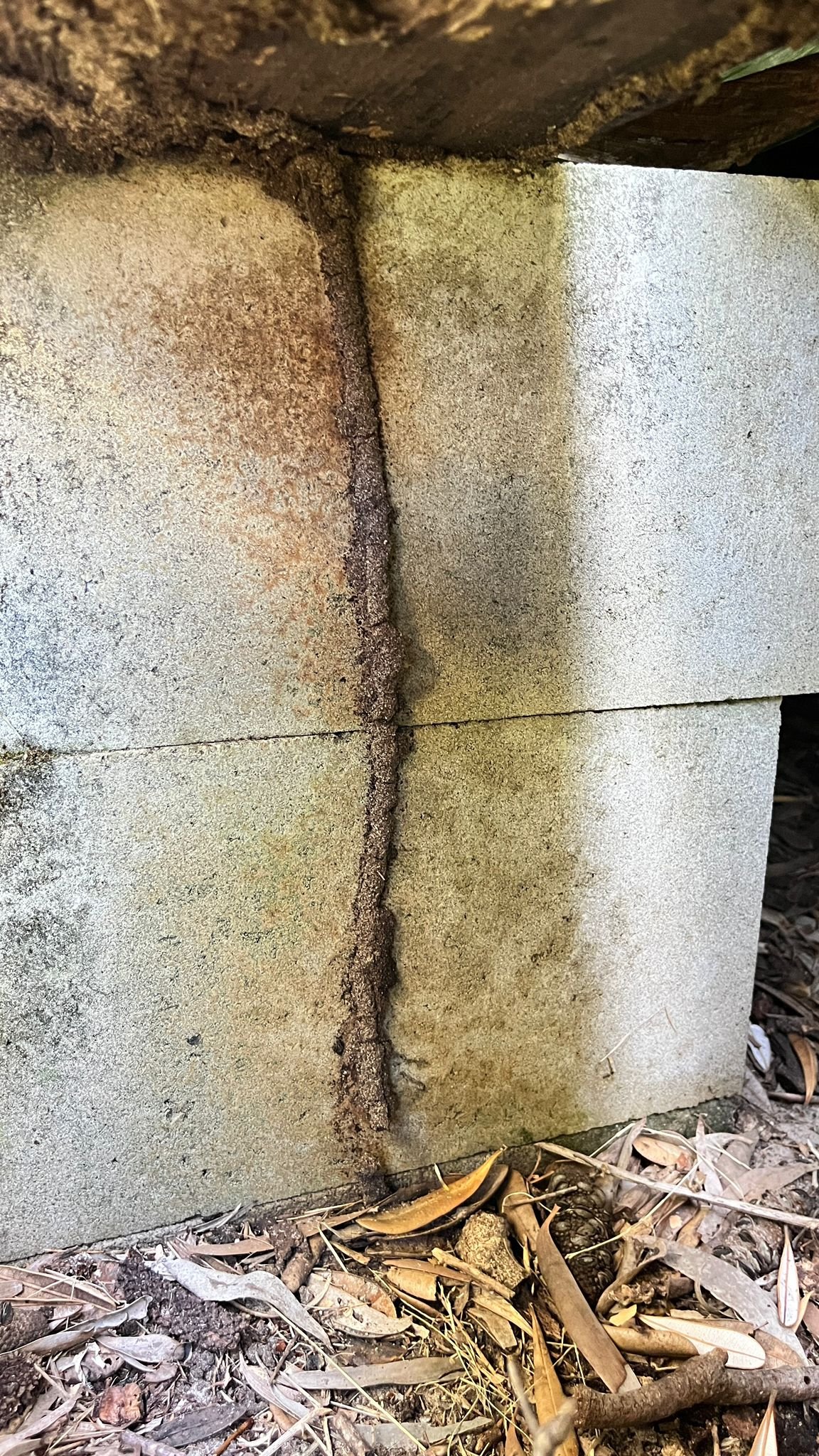
If you notice changes such as unexplained timber damage, mud-like termite leads, increased rodent activity, leaking water, deteriorating timber or unusual pest activity, don't wait for the next scheduled inspection.
Get it checked.
Local Knowledge Makes a Difference
I've been working around the Northern Rivers for many years, and one thing you learn pretty quickly is that no two properties are quite the same.
A house on a suburban block in Tweed Heads presents a different inspection environment from a rural home outside Murwillumbah.
A hinterland property surrounded by mature vegetation presents different considerations again.
Local experience helps because you're familiar with the types of homes, environmental conditions and property layouts common to the region.
But the basic principle remains the same:
Don't just look at the pest. Look at the environment that allowed the pest to become a problem.
That's particularly important on acreage.
Protecting Your Northern Rivers Acreage Property
If you own an acreage or rural property, pest management doesn't have to become complicated.
The key is taking a broader view.
Keep an eye on moisture.
Manage unnecessary timber-to-ground contact.
Store materials sensibly.
Check sheds and outbuildings.
Keep important inspection areas accessible.
Watch for rodent activity.
And don't assume the absence of visible termites means the property is termite-free.
Most importantly, keep up with professional inspections.
Acreage properties are one of the best parts of living in the Northern Rivers, but they come with their own maintenance responsibilities.
A good pest-management plan should reflect that.
At Zone Pest, we look beyond the four walls of the house to understand what's happening around the property and help you
make informed decisions about protecting it.
Because when it comes to pest management on acreage, the bigger picture matters.
-
The biggest difference is usually not the house itself but everything surrounding it.
An acreage property might contain sheds, workshops, garages, stables, fences, retaining walls, water tanks, mature trees, firewood, stored timber and large areas of vegetation.
Each feature potentially changes how pests move through and use the property.
Rodents, for example, may find shelter and food in a shed before eventually entering the house. Termites may be active in trees, stumps or landscaping timbers somewhere around the property. Spiders and other insects may establish themselves in undisturbed outbuildings.
Moisture and drainage conditions can vary considerably across larger properties as well.
That's why rural pest control shouldn't simply involve treating the house and ignoring everything beyond its walls.
A good pest-management approach considers the buildings, surrounding environment, pest harbourage, moisture, vegetation and likely access points together.
The objective isn't to eliminate every insect from an acreage property. That's neither realistic nor desirable.
The goal is to identify and manage pests that threaten buildings, health, comfort or property.
-
Acreage doesn't automatically mean termites will attack your home, but rural properties can contain many natural and man-made features that support termite activity and therefore need careful inspection.
Termites naturally occur throughout many Australian environments, so seeing termite activity somewhere on a large rural property doesn't necessarily mean the house is under attack.However, acreage properties can contain considerable amounts of material termites may utilise.
Examples include:
mature and fallen trees;
old stumps;
timber fences;
landscaping sleepers;
retaining walls;
buried timber;
firewood;
stored building materials; and
timber outbuildings.
The important question isn't simply whether termites exist somewhere on the property.
It's whether they can gain concealed access to structures and whether conditions around those structures make detection more difficult.
Moisture, poor drainage, timber-to-soil contact and obstructed inspection zones can all be relevant.
Regular professional termite inspections are therefore particularly valuable for rural homeowners.
The inspection should focus not only on identifying active termites but also on recognising conditions around the property that could increase risk or make termite entry harder to detect.
-
Yes. Sheds, garages, workshops and other accessible outbuildings can provide important information about termite, rodent and general pest activity across an acreage property.
-
One of the misconceptions about termites is that activity in a tree somewhere on the property is completely separate from what could happen at the house.
Termite behaviour is more complicated than that.
Subterranean termite colonies can forage through extensive areas looking for suitable food sources.
That means timber around the property needs to be viewed as part of the wider environment rather than in isolation.
This doesn't mean every tree containing termites should automatically be removed or treated.
Termites are naturally occurring organisms and play an important role in breaking down dead timber.
What matters is identifying the species where appropriate, assessing the location of activity and understanding the potential implications for nearby structures.
If termite activity is discovered on your acreage property, avoid disturbing it unnecessarily.
Professional assessment can help determine what is happening and whether treatment or additional investigation is required.
-
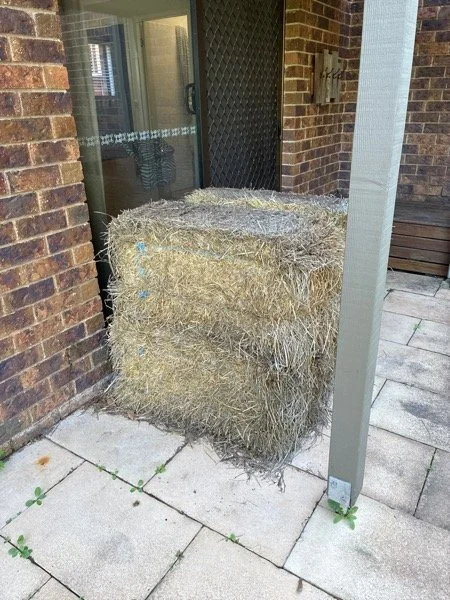
Firewood itself doesn't somehow attract termites from kilometres away, but timber placed in the right conditions can become a food source if termites are already foraging nearby.
The biggest concern is often timber sitting directly on the ground for extended periods.
It can conceal termite activity and provide another source of cellulose around the property.
For rural homeowners who use wood fires, getting rid of firewood obviously isn't practical.
The solution is better storage.
Where possible, keep firewood raised from direct soil contact and avoid creating large, permanently undisturbed timber piles directly against the house.
The same principle applies to leftover fencing timber, pallets, old decking boards and building materials.
If materials no longer have a useful purpose, removing them can reduce clutter and make pest activity easier to identify.
A tidy property doesn't guarantee termite protection, but good storage and property maintenance can remove some of the conditions that make inspections and early detection more difficult.
-
Rural properties can provide rodents with abundant food, shelter and nesting opportunities through sheds, animal feed, stored materials, vegetation and outbuildings.
-
Yes. Dense vegetation, overhanging branches and organic debris around structures can provide pest harbourage, restrict inspection access and affect moisture conditions.
At Zone Pest, we specialize in identifying and mitigating termite & pest risks. Our experienced team conducts thorough inspections and provides tailored solutions to protect your property. Contact us today to schedule an inspection and ensure your
home remains termite-free & pest-free.
Remember, Australian Standards recommend having a licensed and insured pest manager inspect your property at least
once a year to maintain optimal protection against termites & other pests.
Written by Matt — Licensed Pest Technician, Zone Pest. Proudly protecting homes across the Northern Rivers region for over a decade.
Need Advice About Protecting Your Property?
Whether you've noticed signs of termite activity, need a routine inspection or simply want professional advice, Zone Pest is here to help.
We take the time to explain our findings, answer your questions and recommend solutions that suit your property's individual needs,
without unnecessary pressure or confusing technical language.
If you're ready to arrange an inspection or would like to discuss the best approach for protecting your home or business, contact Zone Pest today.