

Zone Pest - Termite Species Information
Pest Control Specialists Servicing the Northern Rivers, Tweed Coast & Gold Coast
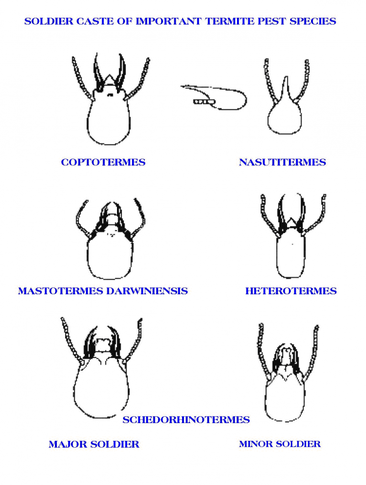
Read all about termite species that may be found in and damaging your property in our descriptions below.
SCHEDORHINOTERMES
These termites can cause damage approaching the severity caused by Coptotermes. They build fragile nests in places such as old tree trumps, in timber buried in the ground, in filled patios and under fireplaces. The damage they cause is distinctive. Although it can be severe it is often patchy, with huge gouges taken out of sound timber, particularly around nails in floor boards or other timbers. Schedorhinotermes colonies contain major and minor soldiers and this can determine a size of a colony so we can manage or get an understanding on what damages may be inside a dwelling.
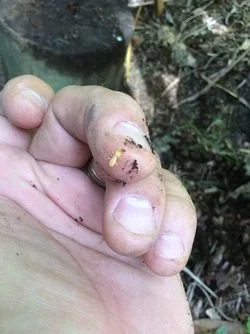
Schedorhinotermes, Large head with small large body, POTTSVILLE NSW 2489
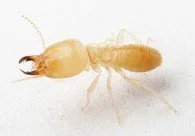
SCHEDORHINOTERMES Major Soldier.
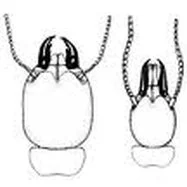
Major and Minor Soldier.
HETEROTERMES
Heterotermes spp. Are a significant structural pest through Queensland, northern WA and the NT, in southern Australia where they are are believed to be a minor nuisance. They are generally considered to do little damage to timber in service, restricting their attention to weathered timber fences, decking and posts. Occasionally they can cause superficial damage to sound timber, but in my professional opinion they are still an aggressive species and must be managed.
Heterotermes are usually found in tree stumps or bases of posts but are not limited to any timber and sometimes are known to share nests with
Coptotermes and Schedorhinotermes which i have seen.
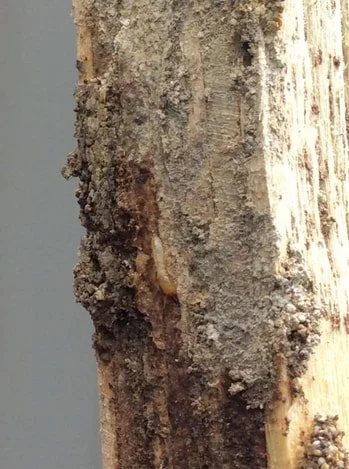
Heterotermes, Long thin body and long large long head with long mandibles, Blackrocks/Pottsville NSW 2489
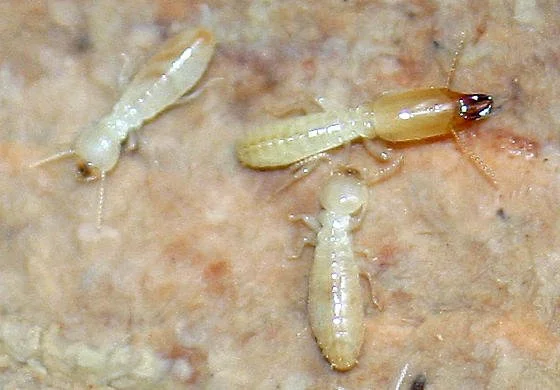
HETEROTERMES
COPTOTERMES
Coptotermes Acinaciformis is found throughout mainland Australia and causes more damage to property than any other species. It is aggressive in its search for food and will attack many items other than wood in its search for cellulose materials. It will damage wall lining boards, electrical wiring and even personal possessions. Colonies often nest in trees or stumps but can form nests without ground contact, in majority of inspections on sites i have seen mud moulds at the base of trees, bushes and grass, tapping these mounds will give an indication of a termite nest, treatment must be carried out for these nests and colonies can venture 50 to 80 meters.
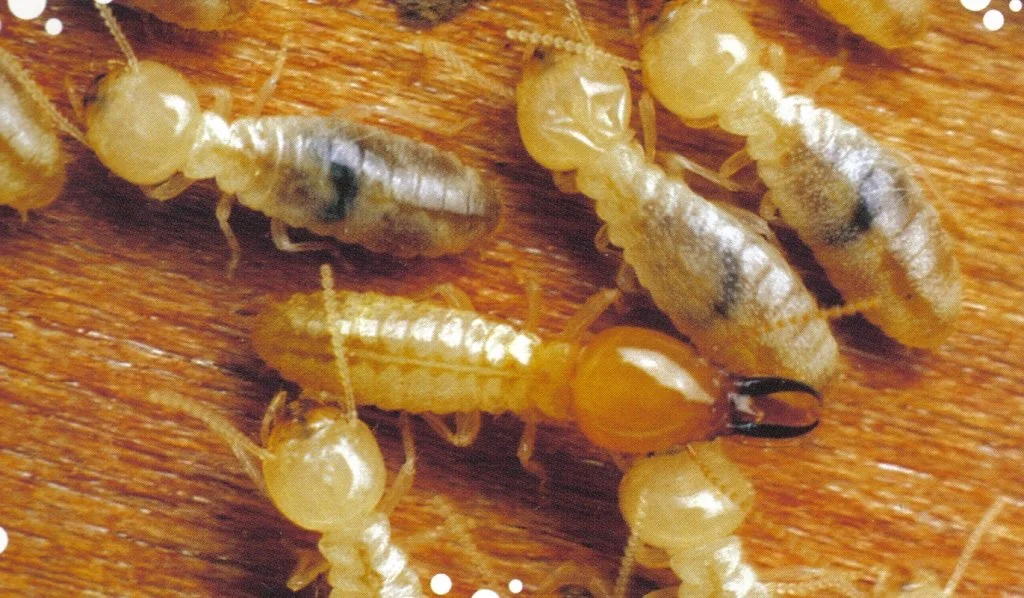
COPTOTERMES
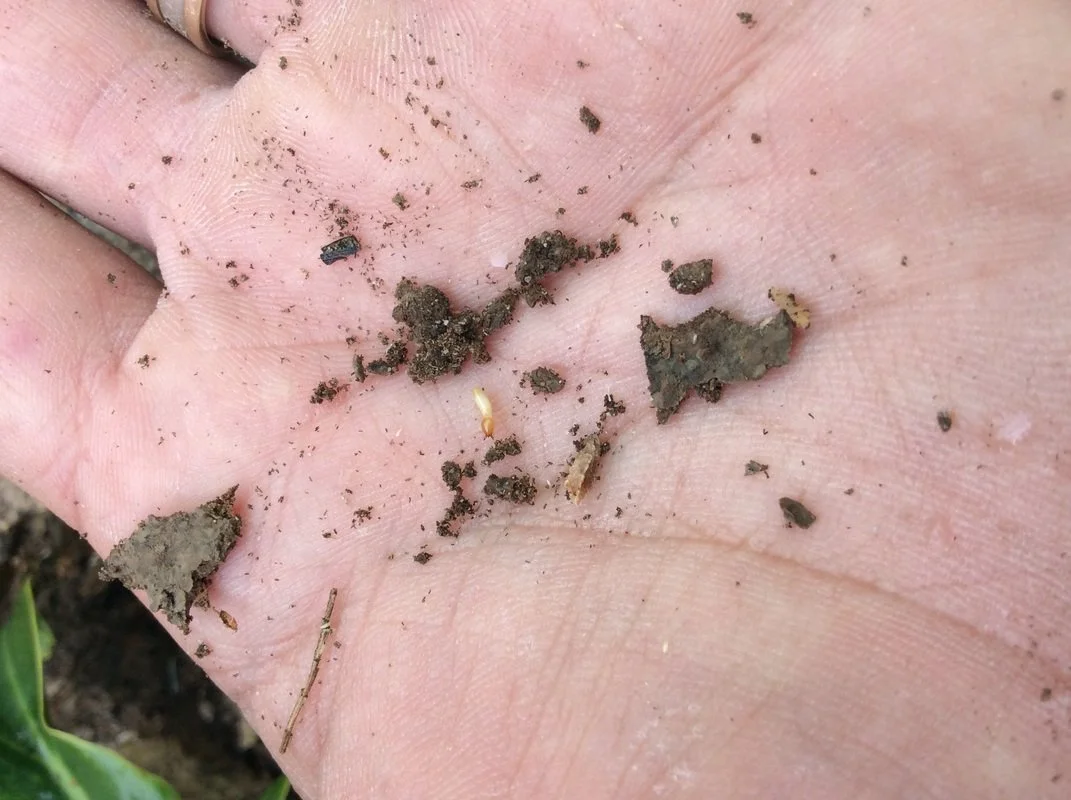
Coptotermes, large head, long body, and large Mandibles Cabarita beach NSW 2488
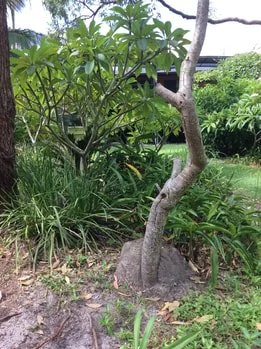
Coptotermes nest mud mound mostly under trees but can be anywhere in the ground.
NASUTITERMES
There are several species of Nasutitermes which may damage timber in service. Soldier termites of these species are distinguished by their pointed heads. Nasutitermes exitiosus usually builds a low mound and is more common across Southern Australia. Nasutitermes walkeri builds part of its colony as a nest on the branch of a tree; the rest is constructed in the ground beneath it. This genus will mainly attack hardwood such as that found in fences and timber decking.
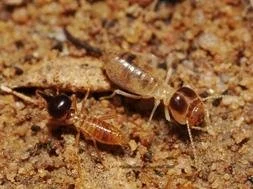
Nasutitermes
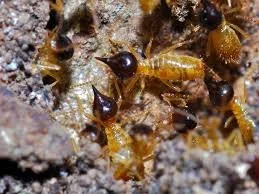
Nasutitermes (Found mainly rural and bushland).
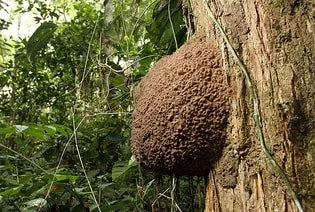
Nasutitermes nests are usually on trees and are dark in colour.
MASTOTERMES
Mastotermes darwiniensis, the Giant Northern Termite, is the most primitive of the commercially significant species. It shows an ability for sub-colonies to split from the main colony and produce queens, without a mating flight. Eventually a network of interconnecting sub-colonies is established, which makes control difficult. These large termites can devastate buildings, bridges, poles, trees and crops such as sugarcane.
Mastotermes is found mainly north of the Tropic of Capricorn.
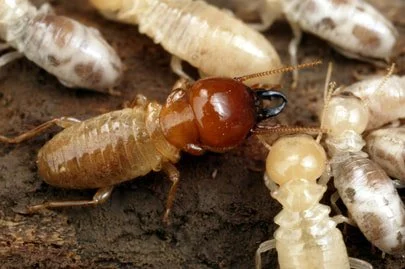
SOLDIER AND WORKERS
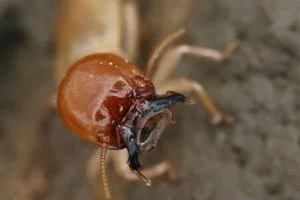
MASTOTERMES SOLDIER
MICROTERMES
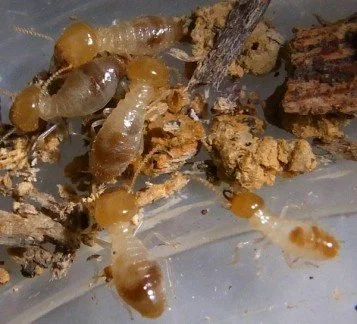
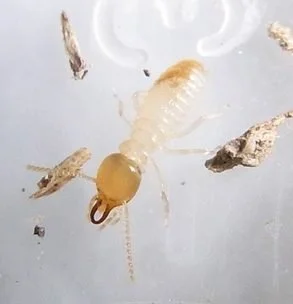
WEST INDIAN DRYWOOD TERMITE, Cryptotermes brevis
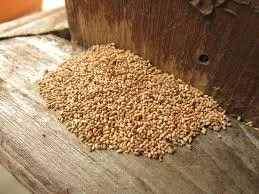
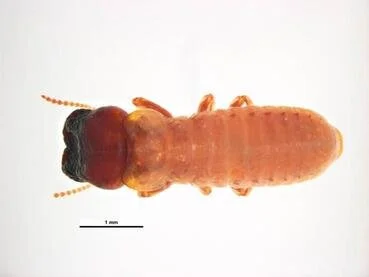
General Termite Informations
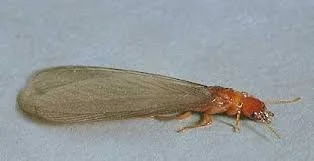
Reproductive Termite, ALATE.
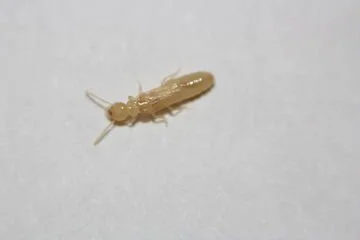
Reproductive Termite
Contact Matt for a termite inspection if you think you have found termites around your property
Northern Rivers, Tweed Coast & Gold Coast Termite and Pest Control
Contact Us today to make a booking or learn more