

Termite Inspections Frequently Asked Questions
Understanding Professional Termite Inspections
Termites are often referred to as the "silent destroyers" because they can cause significant structural damage long before most homeowners realise they are present. Unlike many other household pests, termites work quietly from inside timber, wall cavities, roof voids and subfloors, making professional inspections one of the most important investments you can make in protecting your property.
Many people assume they'll notice termites as soon as they become a problem. Unfortunately, this is rarely the case. By the time visible damage appears, termites may have been active for months or even years. That's why regular professional inspections remain the most effective way to identify termite activity early and reduce the risk of costly repairs.
A professional termite inspection is far more than simply looking for insects. It's a systematic assessment of your property's overall termite risk. During an inspection, we assess accessible areas for evidence of active termites, previous termite activity, timber damage and environmental conditions that may increase the likelihood of future infestations. We also identify issues such as excessive moisture, poor drainage, timber-to-ground contact and other conducive conditions that could make your property more attractive to termites.
At Zone Pest, we combine years of practical experience with modern inspection technology to provide the most thorough assessment possible. Depending on your property, this may include thermal imaging cameras, moisture meters, electronic termite detection equipment such as the Termatrac, and drone technology for safely inspecting difficult-to-access roof areas. These tools enhance the inspection process, but they never replace the knowledge and experience required to correctly interpret the findings.
It's also important to understand that termite inspections are non-invasive. Australian Standards require inspections to be carried out without damaging the building, meaning some concealed areas cannot be directly viewed. For this reason, no inspection can guarantee that termites are not present within inaccessible parts of a structure. Instead, professional inspections provide the most comprehensive assessment possible while clearly documenting any limitations and recommending appropriate follow-up where required.
The purpose of a termite inspection isn't simply to find termites. It's to help you understand your property's current condition, identify factors that may increase future risk and provide practical recommendations to help protect one of your most valuable assets.
Throughout the Tweed Coast and Northern Rivers, termites remain active throughout the year due to our warm climate and favourable environmental conditions. Whether your property is a new home, an older residence, a rural acreage, a holiday home or a commercial building, regular inspections form an essential part of responsible property maintenance.
The questions below cover every stage of the inspection process—from why inspections matter and how often they should be carried out, through to understanding your report, Australian Standards, inspection technology and what happens after the inspection is complete.
Our aim is to give you the knowledge and confidence to make informed decisions about protecting your property for the long term.
allowing you to explore specific topics in greater depth.
Our philosophy is simple:
Inspect thoroughly. Educate clearly. Protect for the long term.
That approach guides every inspection, recommendation and treatment we provide, helping property owners across the
Tweed Coast and Northern Rivers protect one of their most valuable investments.
Zone Pest Termite Inspections Frequently Asked Questions
-
A termite inspection is a comprehensive assessment of your property to identify evidence of termite activity, termite damage and conditions that may increase the risk of future infestations. It's designed to help detect problems early and provide practical recommendations to protect your property.
-
Termites often cause damage without obvious signs, making professional inspections one of the most effective ways to detect activity early. Regular inspections help protect your property, reduce the risk of costly repairs and provide peace of mind.
-
Every termite inspection begins with understanding any concerns you've noticed around your property before carrying out a thorough inspection of all accessible areas.
This may include internal rooms, the external perimeter of the home, roof voids, subfloors, garages, sheds and surrounding structures where appropriate.
Throughout the inspection, we look for active termites, termite damage, mud tubes, moisture issues, ventilation concerns and other environmental conditions that may encourage termite activity.
Where beneficial, we use specialised equipment such as thermal imaging cameras, moisture detection devices, electronic termite detection technology and drone inspections to complement the visual assessment.
Once the inspection is complete, we'll explain our findings in plain language, answer your questions and provide recommendations tailored to your property's individual circumstances.
-
The frequency of termite inspections depends on your property's level of risk.
Australian Standards recommend professional termite inspections at least once every 12 months, but some homes may benefit from inspections every six to twelve months depending on factors such as surrounding bushland, moisture levels, previous termite activity, construction type and existing termite protection systems.
Properties throughout the Tweed Coast and Northern Rivers are often exposed to year-round termite activity, making regular inspections an essential part of responsible property maintenance.
We'll always recommend an inspection schedule that's appropriate for your property rather than applying the same recommendation to every customer.
Routine inspections remain one of the most cost-effective ways to detect termite activity before significant structural damage occurs.
-
Zone Pest uses a combination of professional inspection techniques and specialised equipment, including thermal imaging, moisture detection technology, electronic termite detection devices and drone roof inspections where appropriate.
At Zone Pest, technology is used to support a systematic inspection process and help provide a more complete understanding of your property's condition.The combination of modern equipment, recognised inspection procedures and local experience helps us deliver detailed, practical recommendations tailored to your property.
-
No. A professional termite inspection provides an assessment of the accessible areas of your property at the time of the inspection. Because termites are often concealed and some areas may be inaccessible, no inspection can guarantee a property is completely termite free.
Rather than viewing a termite inspection as a guarantee, it's better to think of it as an essential part of an ongoing termite management strategy that includes regular inspections, good property maintenance and appropriate termite protection systems.Regular inspections significantly reduce the likelihood of termites causing extensive damage before they're detected.
-
During a termite inspection, we're looking for evidence of active termites, termite damage, previous termite activity and environmental conditions that may increase the risk of future infestations. The inspection focuses on both current problems and potential future risks.
-
A termite inspection specifically focuses on detecting termite activity, termite damage and termite risk factors. A general building inspection assesses the overall condition of a property and may identify structural or maintenance issues beyond termite-related concerns.
-
One of the biggest misconceptions about termites is that you'll know they're there.
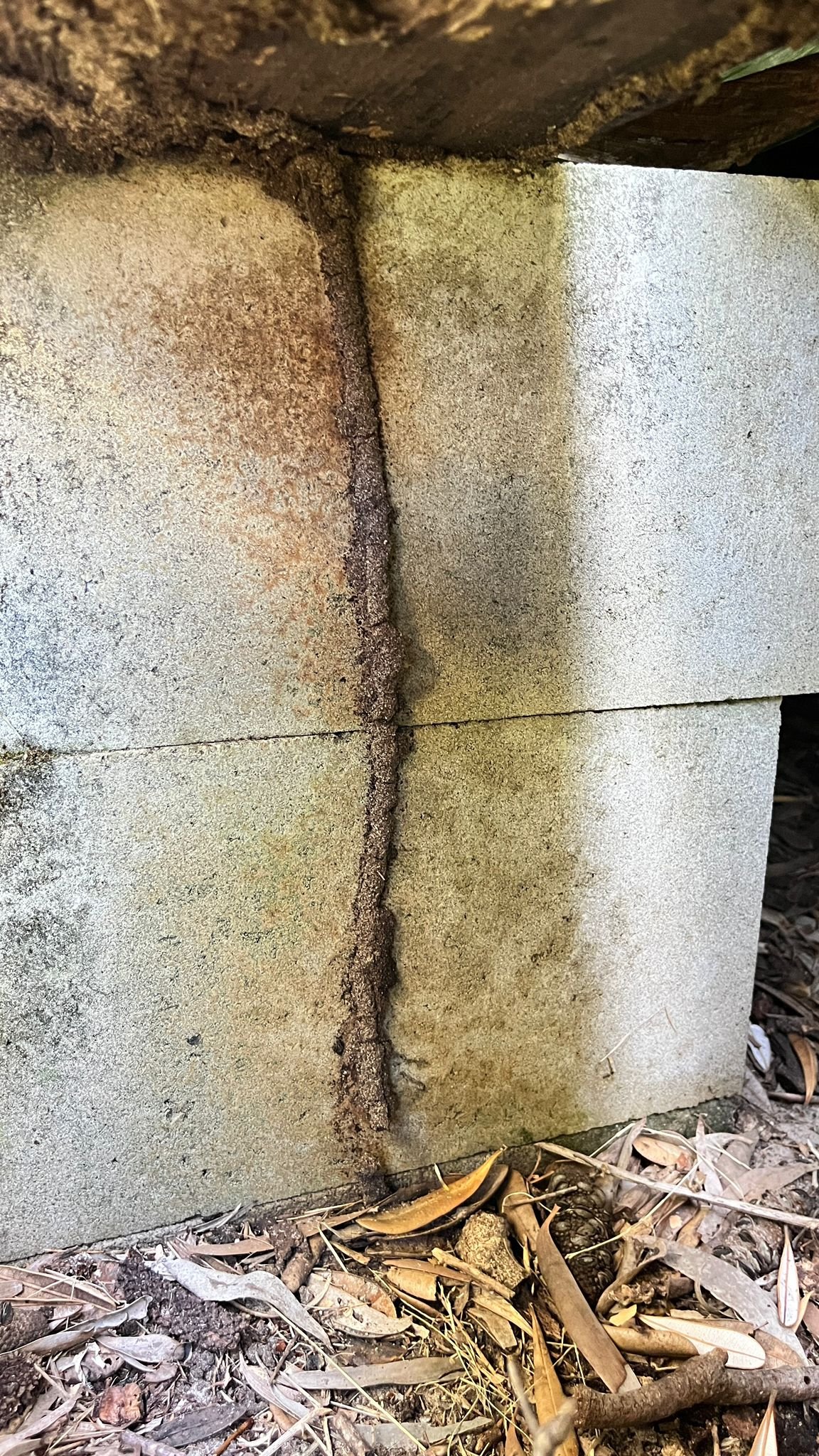
In reality, termites are extremely secretive insects that avoid light and often travel inside timber or concealed mud tubes. Many homeowners don't realise they have termites until structural damage becomes noticeable.
Professional inspections are designed to detect evidence of termite activity long before obvious signs appear.
Even if your home appears perfectly healthy, termites may already be active in concealed areas or environmental conditions around your property may indicate an increased level of risk.
Routine inspections provide peace of mind and significantly improve the likelihood of identifying termite activity before costly repairs become necessary.
-
Unlike many household pests, termites usually remain hidden while they feed.
They can travel through concealed mud tubes, wall cavities, roof timbers and subfloors, gradually damaging structural timber over months or even years before homeowners notice a problem.
Because much of this activity occurs out of sight, visible signs often don't appear until considerable damage has already been done.
Professional termite inspections are specifically designed to identify these hidden risks before extensive repairs become necessary.
This is one of the main reasons annual inspections are recommended, even for homes that have never experienced termite activity.
-
A common myth is that only older homes or timber homes attract termites.
In reality, termites can attack almost any property if they can access suitable food sources. Even homes constructed with brick, concrete or steel often contain structural timber, framing, skirting boards, cabinetry, flooring or landscaping materials that termites can feed on.
The level of risk depends on many factors, including location, surrounding vegetation, moisture levels, construction type and existing termite protection measures.
Throughout the Tweed Coast and Northern Rivers, termites remain active year-round, making regular inspections an important part of protecting every property, regardless of its age or construction.
-
Termite damage is often expensive to repair because it can affect important structural components of a building before it's detected.
Regular professional inspections help identify termite activity early, when problems are generally easier and less costly to manage.
In addition to looking for active termites, inspections also identify environmental conditions that may increase future risk, allowing preventative action to be taken before major issues develop.
Rather than thinking of a termite inspection as an expense, many homeowners see it as part of the ongoing maintenance required to protect one of their most valuable assets.
Early detection and prevention almost always cost less than repairing extensive termite damage.
-
Every property is different, so there's no set timeframe for a professional termite inspection.
Factors such as the size of the home, the complexity of the construction, the number of accessible areas and whether additional structures such as garages, sheds or retaining walls are being inspected can all influence how long the inspection takes.
At Zone Pest, we never rush an inspection. Our priority is to complete a systematic assessment of your property, carefully inspect all accessible areas, use specialised equipment where appropriate and take the time to explain our findings and recommendations.
A thorough inspection provides far greater value than a quick walkthrough and gives you a much clearer understanding of your property's termite risk.
-
A professional termite inspection follows a systematic approach designed to assess the property as completely as possible.
Depending on your home, this may include internal rooms, external walls, foundations, roof voids, subfloors, garages, pergolas, decks, fences attached to the home and other accessible timber structures.
We also inspect the area surrounding the building for environmental conditions that may encourage termite activity, including moisture issues, landscaping, timber stored against the home and vegetation that may conceal termite entry points.
The objective is not simply to find termites, but to understand the overall level of termite risk affecting your property.
-
Roof voids often contain structural timbers that termites may attack without obvious signs inside the living areas of the home.
Where safe access is available, we inspect roof spaces for evidence of termite activity, damaged timbers, moisture issues, ventilation concerns and any other conditions that may increase termite risk.
Some roof voids may have limited access or safety considerations that restrict a complete inspection. If this occurs, we'll explain any limitations within your inspection report so you understand which areas could and couldn't be assessed.
A roof void inspection provides another important layer in developing a complete picture of your property's condition.
-
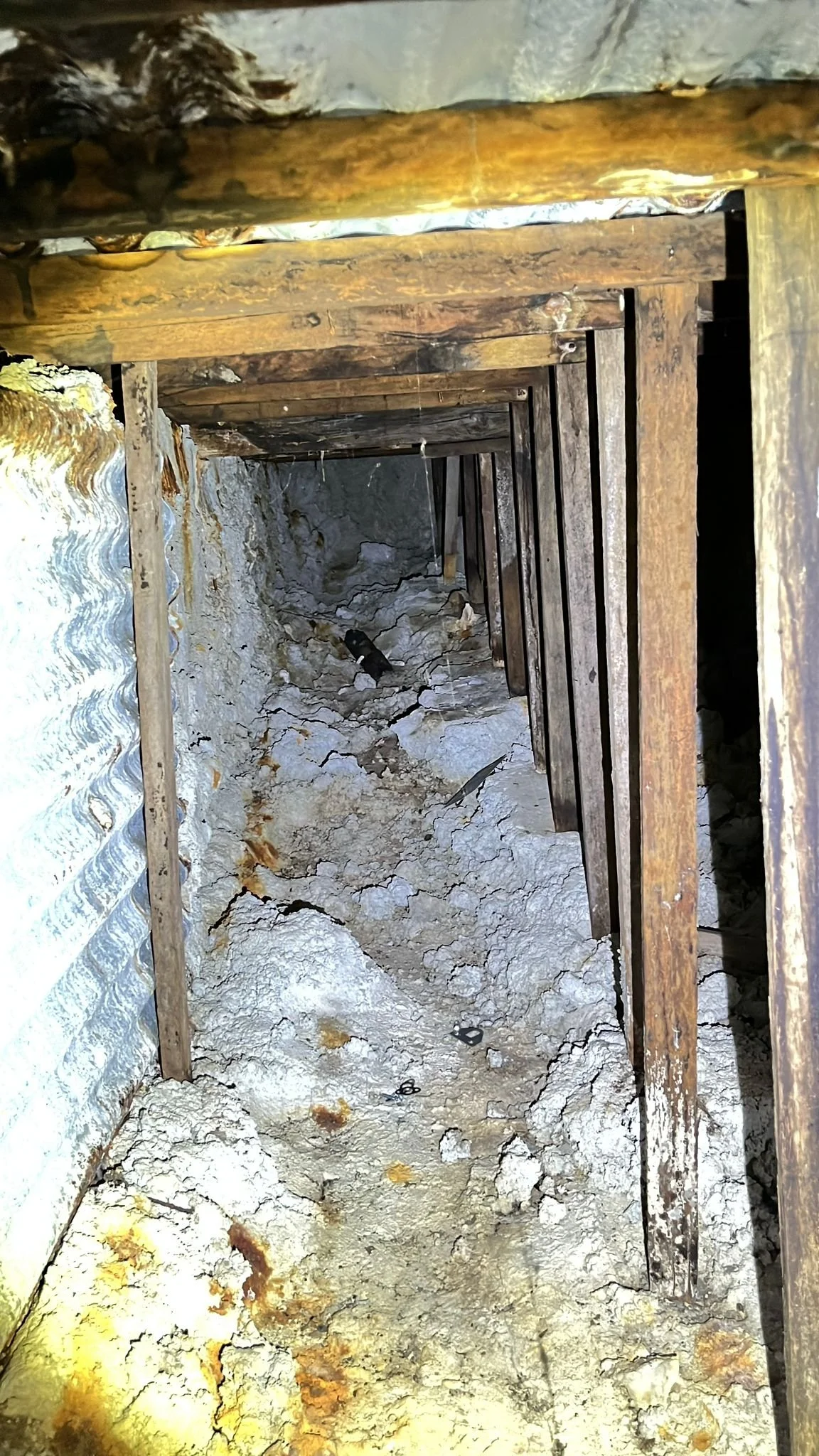
Many termite infestations begin beneath the home before progressing into structural timbers.
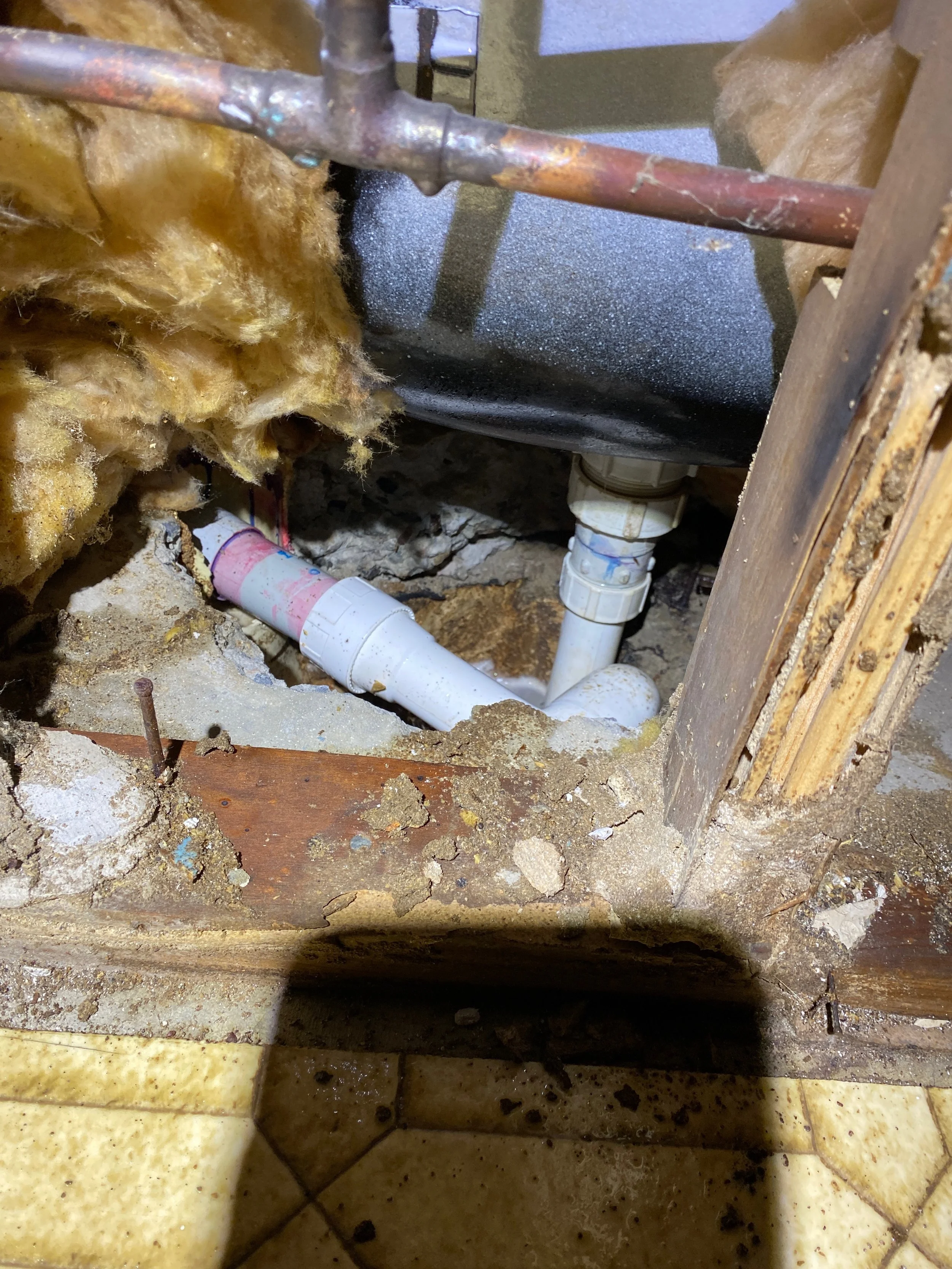
Accessible subfloors allow us to inspect floor framing, supporting timbers, stumps, plumbing penetrations and other areas where termite activity commonly occurs.
During the inspection, we also assess ventilation, drainage, moisture levels and any environmental conditions that may encourage termite activity.
If access is restricted or unsafe, we'll clearly identify this in the inspection report and explain how it may affect the overall inspection.
Subfloor inspections play a significant role in identifying hidden termite risks before they become visible elsewhere in the home.
Technology & Equipment Frequently Asked Questions
-
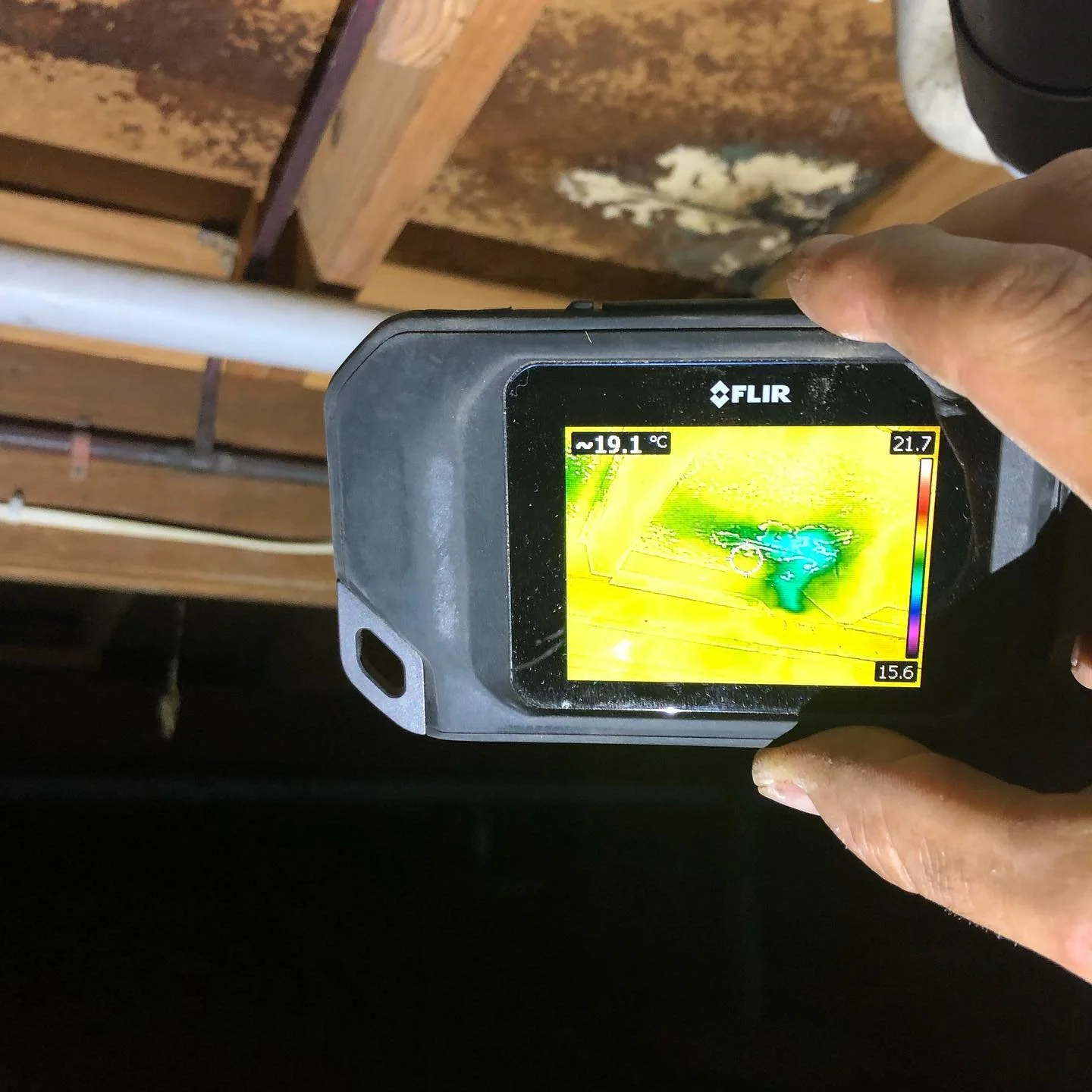
Thermal imaging cameras detect differences in surface temperature that aren't visible to the naked eye.
In some situations, these temperature variations may indicate moisture intrusion, concealed termite activity or areas that require closer investigation. Because termites often introduce moisture into the timber they attack, thermal imaging can sometimes help identify suspicious areas before visible damage appears.
However, it's important to understand that a thermal camera doesn't "see" termites through walls. Instead, it identifies temperature differences that may warrant further inspection.
At Zone Pest, thermal imaging is one of several professional tools we use to support a systematic inspection. Combined with visual observations, moisture detection equipment and local experience, it helps us develop a more complete understanding of your property's condition.
-
Termites are naturally attracted to environments where moisture is present.
Leaking plumbing, poor drainage, inadequate ventilation and damp building materials can all create conditions that encourage termite activity.
A professional moisture meter measures the moisture content within building materials, helping identify areas that may require closer investigation or maintenance.
Finding elevated moisture doesn't necessarily mean termites are present, but it can highlight conditions that should be addressed to reduce future risk.
At Zone Pest, moisture detection forms an important part of understanding the overall health of your property, not just whether termites are currently active.
-
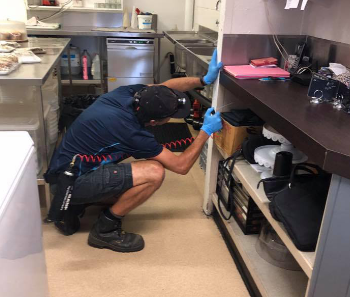
The Termatrac is a non-invasive electronic detection device designed specifically for termite inspections.
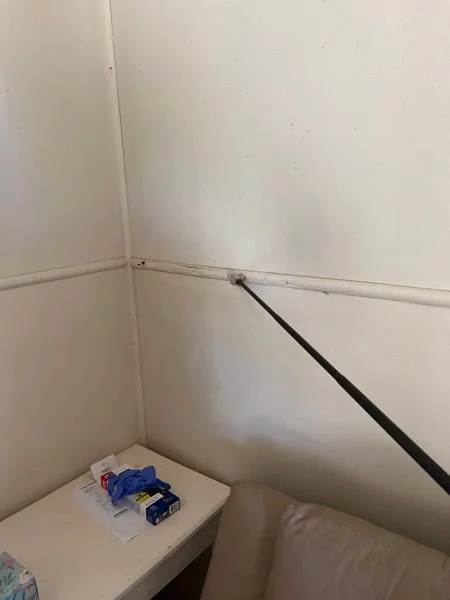
It uses advanced technology to assist in identifying movement that may indicate termite activity behind walls, inside timber or within other concealed building elements.
Like all professional inspection equipment, the Termatrac doesn't replace a visual inspection or confirm termites on its own. Instead, it provides additional information that helps us determine whether further investigation is required.
When used alongside thermal imaging, moisture detection equipment and a systematic visual inspection, the Termatrac contributes to a more comprehensive assessment of your property's termite risk.
At Zone Pest, we use technology to support better decision-making, not to replace professional knowledge and experience.
-
Some parts of a property can be difficult or unsafe to inspect using traditional methods.
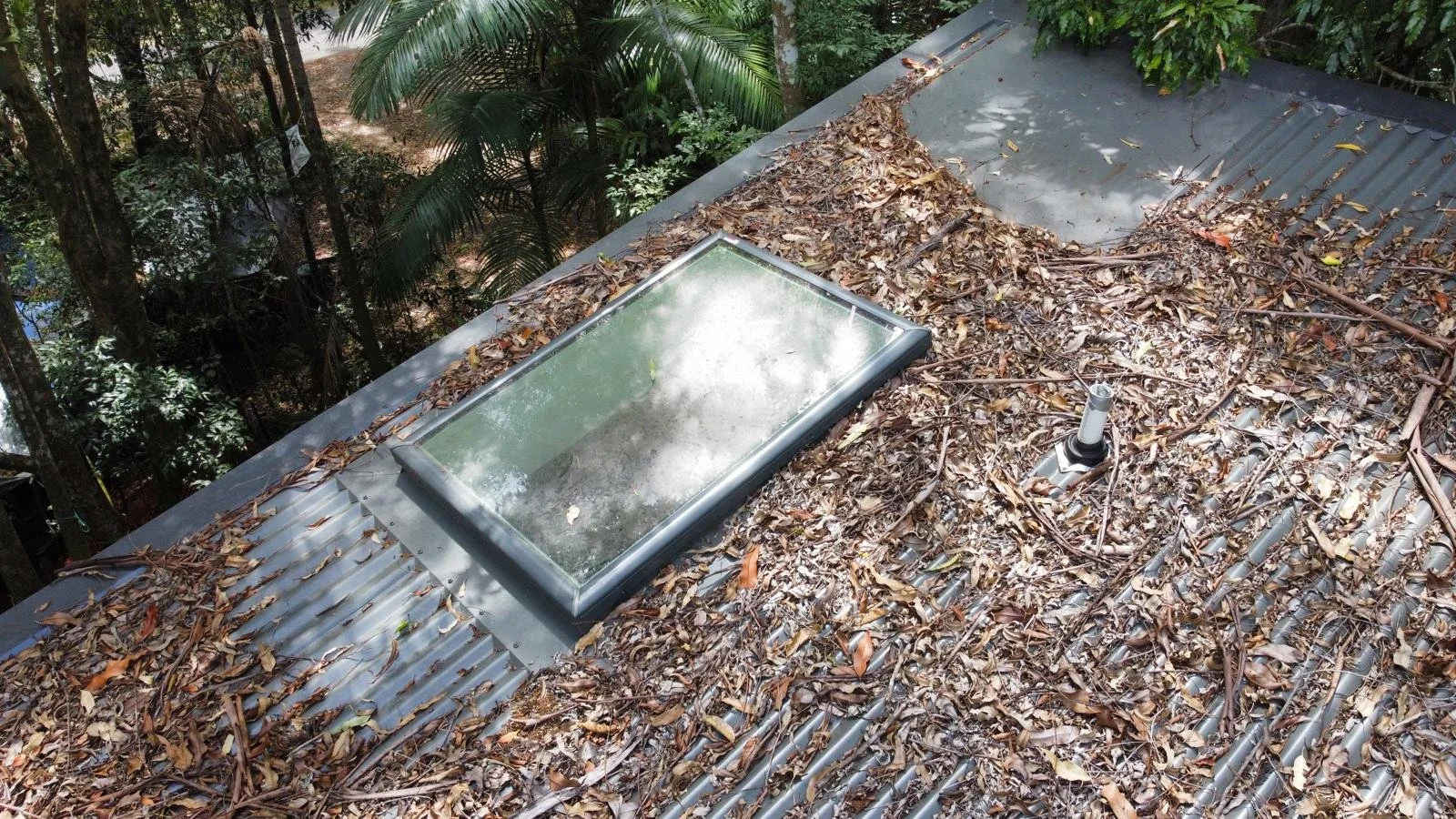
Drone technology allows us to examine roof coverings, gutters, flashings and other elevated areas that may otherwise require extensive ladder access or specialised equipment.
While drones don't detect termites inside a building, they help identify defects, moisture entry points, damaged roof components and other conditions that may contribute to termite risk.
Using drone technology also improves safety by reducing the need to access hazardous roof areas wherever practical.
Combined with our ground-level inspection and other professional equipment, drones help us deliver a more complete assessment of your property's condition.
-
Modern termite detection equipment has significantly improved the way inspections are carried out, but it's important to understand what technology can and cannot do.
Thermal imaging, moisture detection equipment and electronic detection devices may help identify suspicious areas that require further investigation.
However, no inspection technology can completely see through walls or guarantee that concealed termite activity will always be detected.
Professional termite inspections rely on a combination of specialised equipment, systematic inspection procedures, knowledge of termite behaviour and practical experience.
Technology provides valuable support, but the interpretation of the results remains just as important as the equipment itself.
-
One of the biggest misconceptions about termite inspections is that technology can do all the work.
In reality, professional equipment such as thermal imaging cameras, moisture meters, electronic detection devices and drones are designed to complement, not replace a detailed visual inspection.
Experienced inspectors understand termite behaviour, recognise subtle signs of activity and know where to look based on the property's construction, environment and risk factors.
Technology helps gather additional information, but it still requires professional interpretation and judgement.
At Zone Pest, we believe the best inspections combine modern technology with recognised inspection procedures, local experience and practical knowledge developed through years of working with properties throughout the Tweed Coast and Northern Rivers.
Understanding Termite Inspection Results Frequently Asked Questions
-
One of the most valuable outcomes of a professional termite inspection is identifying conditions that may attract termites before an infestation occurs.
Conducive conditions can include excessive moisture, leaking plumbing, poor drainage, timber in direct contact with the ground, inadequate subfloor ventilation, garden beds against external walls, stored firewood and dense vegetation close to the home.
Finding conducive conditions does not necessarily mean termites are present. Instead, it highlights opportunities to reduce your property's risk through simple maintenance or preventative measures.
At Zone Pest, we don't just look for termites, we help identify why termites may be attracted to your property and provide practical recommendations to reduce those risks over the long term.
-
Understanding the terminology used in your inspection report helps you make informed decisions about your property.
Active termites means live termites are currently present and professional treatment should be considered promptly.
Previous termite activity means there is evidence termites have been present before, but they may no longer be active. This still indicates the property has been attractive to termites and ongoing monitoring is important.
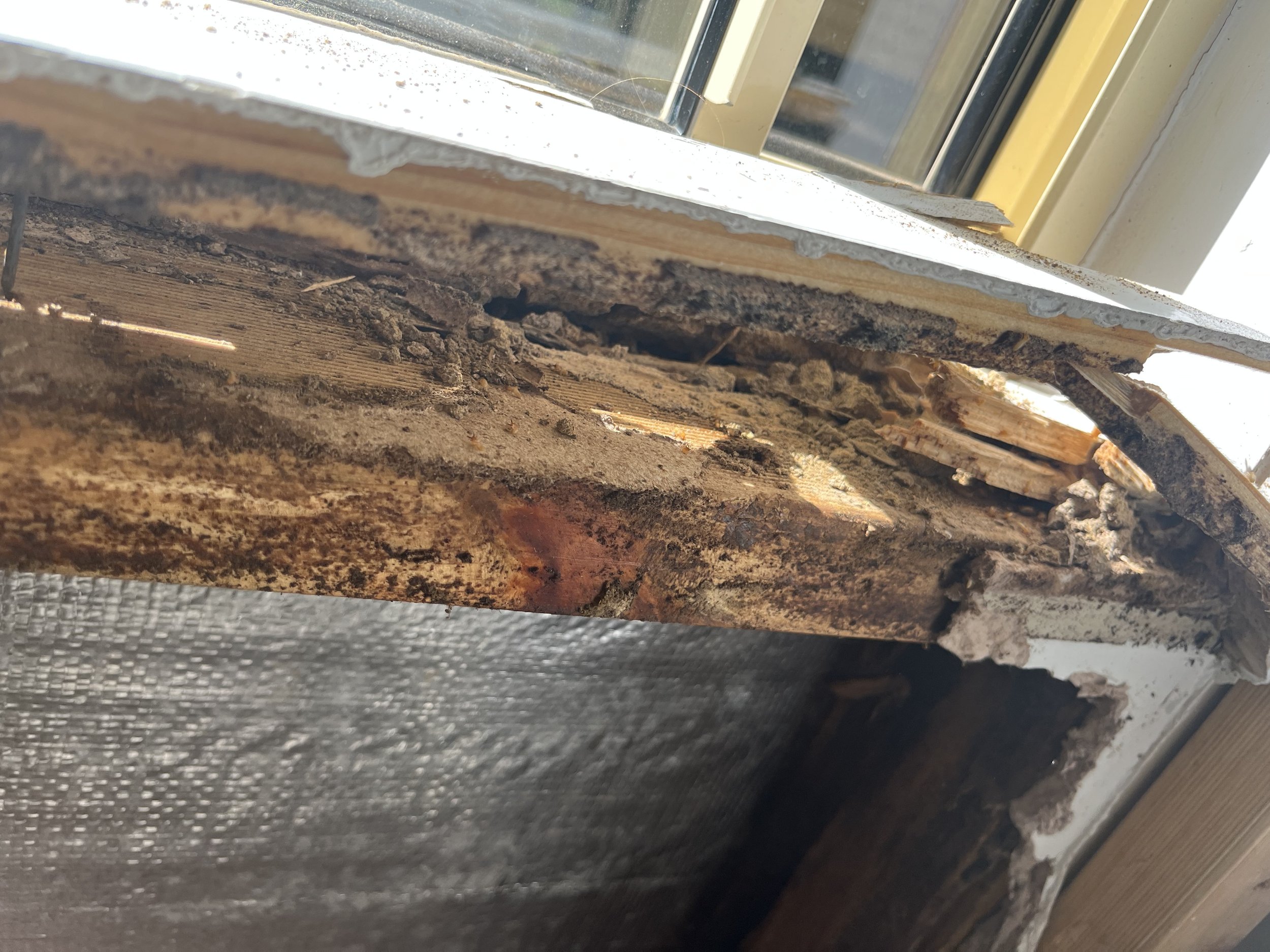
Termite damage refers to timber that has been affected by termite feeding. The damage may be old or recent, but its presence doesn't automatically confirm live termites are still there.
At Zone Pest, we'll explain exactly what we've found and what those findings mean, so you clearly understand the difference between current activity, historical evidence and structural damage.
-
A common question after an inspection is whether termite damage is new or old.
In many cases, experienced inspectors can identify characteristics that suggest whether damage is likely to be recent or has been present for many years. Factors such as the appearance of the timber, evidence of current activity, weathering and repairs can all provide useful clues.
However, it's rarely possible to determine the exact age of termite damage with certainty.
For this reason, our recommendations are based on the current condition of the property, the presence or absence of live termites and the overall level of termite risk, rather than relying solely on the age of the damage.
-
Discovering previous termite damage can be concerning, but it doesn't automatically mean your property currently has termites.
During the inspection, we'll carefully examine the damaged area to determine whether there is any evidence of ongoing termite activity.
If the damage is historical and no live termites are found, we may recommend ongoing monitoring, regular inspections or preventative termite protection depending on the property's circumstances.
If active termites are detected, we'll discuss the most appropriate treatment options and explain the next steps.
Every property is different, so our recommendations are always based on the inspection findings rather than assumptions.
-
A clear termite inspection is reassuring, but it should be viewed as a snapshot of your property's condition at the time of the inspection.
Termites are naturally present throughout much of Australia, including the Tweed Coast and Northern Rivers, and they can enter a property at any time if conditions become favourable.
Even when no termite activity is found, your inspection may identify conducive conditions or maintenance issues that could increase future risk.
We'll explain these findings and recommend practical steps to help reduce the likelihood of termite activity between inspections.
Regular inspections remain one of the most effective ways to ensure your property continues to be monitored over time.
-
Routine termite inspections are designed to assess your property while preserving its condition.
This means inspectors do not cut into walls, remove floor coverings or dismantle building components simply to look for termites.
Instead, we carefully examine all accessible areas, assess environmental conditions and use professional equipment where appropriate to identify evidence that may indicate concealed termite activity.
If the inspection identifies concerns that cannot be fully confirmed through non-invasive methods, we may recommend further investigation to obtain additional information.
This approach balances thoroughness with practicality while minimising unnecessary disruption to your home.
-
Australian Standards establish recognised procedures for carrying out professional termite inspections and preparing inspection reports.
These standards help ensure inspections are systematic, consistent and transparent while outlining what can reasonably be assessed during a non-invasive inspection.
They also explain the importance of documenting inspection limitations, inaccessible areas and conditions that may affect the overall assessment of the property.
At Zone Pest, our inspections are performed in accordance with the relevant Australian Standards while also drawing on extensive local knowledge of termite behaviour throughout the Tweed Coast and Northern Rivers.
Following recognised industry standards helps provide confidence that your inspection has been completed using accepted professional practices.
-
Once your termite inspection is complete, we'll take the time to explain exactly what we found and what it means for your property.
You'll receive a detailed inspection report outlining the areas inspected, any evidence of termite activity or damage, conducive conditions identified during the inspection and practical recommendations moving forward.
If no termites are found, we'll discuss ways to reduce future risk and recommend an appropriate inspection schedule.
If termite activity is detected, we'll explain the available treatment options and recommend the most suitable solution based on your property's individual circumstances.
Our goal is to ensure you leave the inspection with a clear understanding of your property's condition and a practical plan for protecting it into the future.
-
A termite inspection doesn't simply identify problems, it also helps you prevent future ones.
Depending on our findings, we may recommend improving drainage, repairing leaking plumbing, increasing subfloor ventilation, reducing timber-to-ground contact, relocating stored firewood, maintaining inspection zones or improving landscaping around the home.
Many of these recommendations are straightforward maintenance tasks that can make your property less attractive to termites over time.
Combined with ongoing professional inspections and appropriate termite protection systems, these simple improvements form an important part of long-term termite management.
Our aim is to help you understand not only what to do, but why those actions matter.
-
Your next inspection should be based on the level of termite risk associated with your property.
Australian Standards generally recommend professional inspections at least annually, but factors such as nearby bushland, moisture issues, previous termite activity, rural locations and existing termite protection systems may justify shorter inspection intervals.
Following your inspection, we'll recommend a schedule that's appropriate for your property rather than applying the same timeframe to every customer.
Regular inspections remain one of the most effective ways to detect termite activity early and maintain long-term protection.
-
Absolutely. We believe informed customers make better decisions. We'll explain our findings, discuss the available options and answer your questions so you can choose the solution that's right for your property.
Every property is different, and every customer has different priorities.Some homeowners are primarily concerned about eliminating active termites, while others want to invest in long-term protection or preventative maintenance.
Rather than recommending the same solution for every situation, we'll explain the inspection findings, discuss the advantages of different treatment or protection options and help you understand the reasons behind our recommendations.
We believe education is an important part of professional pest management.
By ensuring you understand your property's condition and the available options, you can make confident decisions that are appropriate for both your property and your budget.
Different Property and Risk Factors Frequently Asked Questions
-
One of the most common misconceptions is that new homes are permanently protected against termites.
Although modern building regulations generally require termite management measures during construction, no protection system can guarantee your home will remain termite free indefinitely.
Landscaping changes, renovations, soil movement, moisture issues and normal ageing can all affect the performance of termite protection systems over time.
Regular professional inspections help confirm your protection remains effective while identifying any new risk factors before termites establish themselves.
Protecting a new home isn't about assuming it's safe forever, it's about maintaining that protection throughout the life of the property.
-
Older homes often contain construction methods and materials that can increase termite risk.
Changes over many decades, previous renovations, ageing timber, moisture issues and reduced visibility beneath or within the structure can all make thorough inspections particularly important.
However, age alone doesn't determine termite risk.
A well-maintained older home with good drainage and appropriate termite protection may present less risk than a poorly maintained newer property.
At Zone Pest, inspection frequency is always based on the individual property's overall risk profile rather than its age alone.
-
Investment properties are valuable assets that benefit from proactive maintenance.
Because tenants may not always notice the subtle signs of termite activity, routine professional inspections provide an additional level of protection for property owners.
Regular inspections also help identify maintenance issues that may increase termite risk, allowing problems to be addressed before significant damage occurs.
Whether you own a single investment property or a larger portfolio, ongoing termite inspections are an important part of protecting your investment over the long term.
-
Termites don't distinguish between residential and commercial properties.
Offices, warehouses, retail premises, hospitality venues and industrial buildings may all contain structural timbers or landscaping that can be vulnerable to termite activity.
Routine inspections help identify termite activity before it affects the building or disrupts business operations.
Inspection programs can also be tailored to suit the specific needs of commercial properties, helping owners and managers maintain their buildings while reducing long-term maintenance costs.
At Zone Pest, we work with commercial property owners to develop practical inspection schedules that suit their property and operational requirements.
-
Rural properties often present a different set of termite challenges compared with suburban homes.
Large blocks, surrounding bushland, timber fencing, sheds, outbuildings, retaining walls, firewood storage and natural vegetation all create environments where termites commonly occur.
Because of these factors, termite colonies may already be well established within the surrounding landscape.
This doesn't mean rural homes will necessarily experience termite problems, but it does make ongoing inspections an important part of protecting buildings across the property.
Zone Pest has extensive experience inspecting rural and lifestyle properties throughout the Northern Rivers and understands the unique risks these environments present.
-
Holiday homes and vacant properties often go months without anyone noticing subtle changes that may indicate termite activity.
Because termites work quietly and remain hidden, damage can continue unnoticed until the property is next occupied.
Regular professional inspections help ensure the property continues to be monitored, even when it isn't being used regularly.
This is particularly important for holiday homes located in coastal or bushland environments where termite activity remains common throughout the year.
Protecting a property isn't about how often you visit, it's about ensuring termites don't have the opportunity to cause hidden damage while nobody is there to notice.
-
Bushland provides an ideal natural habitat for termites, allowing colonies to thrive year-round.
Homes built close to native vegetation, forested areas or reserves often have greater exposure to termite activity because colonies already exist within the surrounding environment.
However, living near bushland doesn't mean your home will definitely develop termites. Good property maintenance, appropriate termite protection and regular professional inspections all help reduce the likelihood of termite damage.
Throughout the Tweed Coast and Northern Rivers, many homes enjoy beautiful bushland surroundings. Understanding the increased level of termite activity in these environments helps homeowners take proactive steps to protect their property.
-
Landscaping plays a much bigger role in termite management than many homeowners realise.
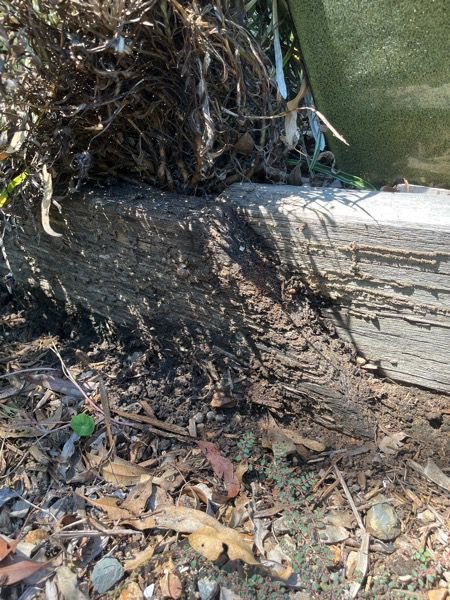
Garden beds built against external walls, dense vegetation, excessive mulch, climbing plants, irrigation systems and poor drainage can all create favourable conditions for termite activity.
These conditions don't necessarily cause termites, but they can make it easier for termites to remain hidden while entering the property.
Simple landscaping changes such as maintaining inspection zones, reducing excessive moisture and avoiding timber-to-ground contact can significantly reduce future termite risk.
At Zone Pest, landscaping is always assessed as part of our overall property risk evaluation.
-
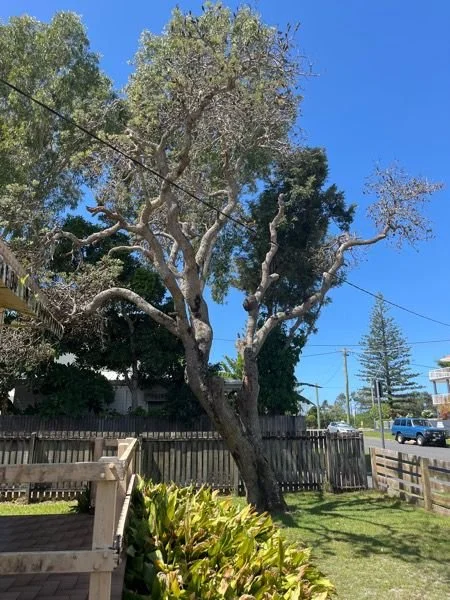
Many Australian termite species naturally live within trees, tree stumps and decaying timber.
Having mature trees on your property doesn't automatically increase the chance of termites entering your home, but it does mean termite colonies may already exist nearby.
The greatest risk occurs when environmental conditions allow termites to move from their natural habitat into nearby buildings.
Regular inspections help identify termite activity before significant damage occurs and ensure any conducive conditions around your home are managed appropriately.
Healthy trees are an important part of many properties, and effective termite management focuses on protecting your home rather than removing valuable vegetation unnecessarily.
-
Firewood is one of the most common termite risk factors identified during inspections.
Because termites naturally feed on timber, stacked firewood provides an ideal food source and may already contain termite activity before it's brought onto your property.
Storing firewood directly against external walls or beneath the home increases the likelihood of termites finding an easy pathway into the building.
We recommend storing firewood off the ground and well away from your home's foundations to help reduce this risk.
Simple changes to how timber is stored can significantly improve your property's overall termite management strategy.
-
Water collecting around your home can create ideal conditions for termites.
Blocked stormwater systems, overflowing gutters, inadequate surface drainage and areas where water pools after rain all contribute to elevated moisture levels around the building.
Over time, these damp conditions can make your property more attractive to termites while also contributing to timber deterioration.
During a termite inspection, we assess drainage as part of the property's overall risk profile and may recommend improvements where appropriate.
Good drainage not only helps protect your home from termites but also supports the long-term health of the building itself.
Need Advice About Protecting Your Property?
Whether you've noticed signs of termite activity, need a routine inspection or simply want professional advice, Zone Pest is here to help.
We take the time to explain our findings, answer your questions and recommend solutions that suit your property's individual needs,
without unnecessary pressure or confusing technical language.
If you're ready to arrange an inspection or would like to discuss the best approach for protecting your home or business, contact Zone Pest today.