

Northern Rivers Local Knowledge Frequently Asked Questions
Understanding Pest & Termite Risk in the Northern Rivers
Living in the Northern Rivers means living in an environment where warm temperatures, periods of high humidity, substantial rainfall and abundant vegetation are all part of what makes the region such a great place to live.
Those same conditions can also influence pest and termite activity.
From coastal homes around the Tweed Coast to older timber properties, hinterland homes and larger rural or acreage properties, every property has its own combination of construction, moisture, vegetation, drainage and surrounding environmental conditions.
That's why effective pest management isn't simply about identifying a pest and spraying where it was seen.
Understanding Local Pest & Termite Risks Frequently Asked Questions
-
The Northern Rivers is naturally a very active environment.
Warm temperatures, periods of high humidity, substantial rainfall and abundant vegetation can support many different insects and other pests.
Residential properties can then provide additional opportunities through:
Food
Water
Shelter
Gardens
Roof spaces
Subfloors
Wall cavities
Sheds
Stored materials
Outdoor entertaining areas
That doesn't mean every Northern Rivers home will constantly experience pest problems.
Two neighbouring properties can have completely different levels of activity depending on their construction, drainage, landscaping, maintenance and available pest entry points.
The regional environment provides the broader conditions.
The individual property determines much of the actual pest risk. -
Termites occur naturally in the environment and play an important role in breaking down timber and other cellulose material.
The problem begins when they gain access to timber within buildings.
Across the Northern Rivers, properties can be surrounded by:
Trees
Tree stumps
Fallen timber
Gardens
Mulch
Timber landscaping
Retaining walls
Fences
Bushland
Stored firewood
Sheds and outbuildings
Combined with moisture and suitable soil conditions, this means termite risk deserves ongoing attention.
But living in the Northern Rivers doesn't automatically mean termites are attacking your home.
Professional termite management is about understanding both:
Regional risk
and
Property-specific risk.
Regular inspections, property maintenance and appropriate termite-management measures can all form part of that process.
-
People often think of termites as having a particular season.
That's understandable because certain termite behaviour may become more noticeable during warm, humid conditions, particularly when winged reproductive termites emerge from established colonies.
But that doesn't mean termite colonies disappear or stop operating for the rest of the year.
Termites can remain active inside:
Soil
Trees
Stumps
Timber
Buildings
Other concealed environments
throughout the year.
For homeowners, the important message is:
Don't base termite protection or inspection entirely around a calendar season.
Regular inspection and ongoing awareness of property conditions are more useful than assuming termite risk begins and ends at a particular time of year.
-
The Northern Rivers climate can provide conditions in which termite colonies can exist.
However, saying “the climate causes termites” would be too simplistic.
Matt also considers conditions around the individual property, including:
Drainage
Plumbing leaks
Subfloor moisture
Timber-to-ground contact
Garden beds
Firewood
Tree stumps
Landscaping timbers
Building construction
Inspection access
Existing termite protection
Previous termite history
A well-maintained property and a poorly maintained property in the same climate can present very different risk profiles.
Climate provides the environmental background.
The property tells us much more about the individual risk.
-
Heavy rain can increase moisture around properties and change environmental conditions, but rain alone doesn't mean termites will attack a building. Drainage, moisture retention, construction and existing termite conditions all need to be considered.
-
Different pests respond differently to environmental conditions.
Warm and humid conditions can support activity from a range of insects, but humidity shouldn't be treated as the sole explanation whenever pests appear.
Matt still needs to consider:
Which pest is present
Where it was found
Available food
Available water
Nesting or harbourage
Building entry points
Outdoor conditions
Recent weather
Property maintenance
For example, increased pest activity during humid weather may coincide with other environmental changes.
The useful question isn't simply:
“Is humidity causing this?”
It's:
“What conditions are allowing this particular pest to become established or more noticeable here?”
-
Coastal properties can experience environmental conditions that influence pest activity, but being near the coast doesn't automatically make a property more pest-prone. Construction, moisture, landscaping, maintenance and pest entry points remain important.
-
Hinterland and bushland properties can have more natural pest habitat around them, but this doesn't automatically mean pests will become established inside the home. The relationship between the building and surrounding environment is what matters.
-
It's tempting to divide suburbs into:
“Termite areas”
and
“non-termite areas.”
In practice, that can create false confidence.
Two properties in the same street may have very different conditions.
One might have:
Good drainage
Clear inspection zones
Maintained termite protection
No unnecessary timber-to-ground contact
Good subfloor ventilation
while the neighbouring property may have:
Persistent moisture
Stored timber
Dense landscaping
Poor inspection access
Unmaintained termite systems
Previous termite history
The postcode hasn't changed.
The property conditions have.
Local knowledge helps Matt understand the broader environment, but an individual termite-risk assessment needs to focus on the actual property.
Weather, Seasons and Pest Activity Frequently Asked Questions
-
After prolonged or heavy rain, Matt often receives calls from homeowners who feel as though pests have suddenly appeared.
Sometimes what's actually happened is that the environment has changed.
Heavy rainfall can affect:
Soil moisture
Outdoor nests
Harbourage
Food availability
Drainage
Water levels
Vegetation
Moisture around buildings
Some pests may move away from saturated outdoor areas or seek alternative shelter.
Others may simply become more active or visible under the changed conditions.
That's why a sudden increase in visible pests doesn't necessarily mean a new infestation appeared overnight.
The useful questions are:
What pest is it?
Where is it coming from?
What changed around the property?
Those answers help determine whether you're seeing temporary activity or a more established pest problem.
-
Ant activity can become particularly noticeable after changing weather conditions.
Heavy rain may affect:
Outdoor nesting areas
Soil conditions
Established trails
Food sources
Foraging behaviour
If conditions outside become unsuitable, ants may begin appearing in kitchens, bathrooms and other areas of the home.
But simply seeing ants after rain doesn't tell us where the colony is located.
The nest may still be:
Outside
Beneath paving
In gardens
Around landscaping
Within building voids
In another protected area
This is why repeatedly spraying the ants you can see may provide only temporary results.
Matt's approach is to identify the ant, understand where activity is coming from and use an appropriate management strategy rather than treating every ant problem the same way.
-
Warmth and moisture can create favourable conditions for some cockroach species, while changing weather can also affect where they shelter and forage. Food, water and harbourage around the property remain important factors.
-
Many insects are influenced by environmental temperature, which is one reason pest activity can appear to increase as conditions become warmer.
Homeowners may notice more:
Ants
Cockroaches
Spiders
Wasps
Flying insects
Other insect activity
But warm weather isn't a diagnosis.
Two neighbouring homes experiencing the same temperature may have very different pest activity.
Why?
Because one may provide more:
Food
Moisture
Shelter
Garden harbourage
Building entry points
Suitable nesting areas
So while temperature can help explain broader seasonal patterns, the property itself still determines whether pests have the conditions they need.
-
Seeing fewer insects during cooler weather doesn't necessarily mean the pests have disappeared.
Some pests become less visible.
Others change where they're living or how active they are.
Protected areas around properties can provide:
Shelter
Stable temperatures
Food
Water
Nesting opportunities
These areas may include:
Roof spaces
Wall cavities
Subfloors
Garages
Sheds
Cupboards
Stored materials
Rodents may also become more noticeable around buildings when they're seeking suitable shelter and resources.
And importantly:
Cooler weather shouldn't be interpreted as the end of termite risk.
Termite colonies don't simply disappear because winter arrives.
-
Rodents are highly adaptable.
When outdoor conditions become less favourable, buildings can provide exactly what they need:
Shelter
Warmth
Food
Water
Nesting material
Protection from predators
Around residential and acreage properties, Matt may look at areas such as:
Roof spaces
Garages
Sheds
Feed storage
Pet food
Rubbish areas
Vegetation
Building gaps
Stored materials
Weather may explain why activity has become more noticeable.
But controlling rodents effectively still means understanding what is supporting them around the property.
If food and access remain available, simply removing one rodent doesn't necessarily resolve the underlying problem.
-
Wet weather isn't the only environmental change that affects pests.
Extended dry periods can also alter:
Soil conditions
Vegetation
Water availability
Food availability
Outdoor harbourage
Pest movement
Some pests may begin searching more widely for water.
Homes can provide reliable resources through:
Kitchens
Bathrooms
Pet water
Irrigation
Dripping taps
Air-conditioning drainage
Other moisture sources
Again, the important point is not to assume that every pest appearing during dry weather has the same cause.
Weather gives us a clue.
The pest and property provide the rest of the information.
Local Home Types & Termite Risk Frequently Asked Questions
-
The Northern Rivers has plenty of older homes, including timber properties that have been altered, extended or renovated over many years.
Age alone doesn't tell Matt whether termites are present.
What matters is what has happened to the property over time.
An older home may have:
Original timber elements
Previous repairs
Extensions
Enclosed verandahs
Plumbing alterations
Changed drainage
Added decks
Landscaping changes
Previous termite treatments
Restricted subfloor access
Areas concealed by later construction
Some older homes actually provide excellent inspection access, particularly where raised construction allows the subfloor to be examined.
Others can be much more complicated.
The important question isn't simply:
“How old is the house?”
It's:
“What conditions exist around the house today?”
-
Termites feed on cellulose, which is why timber within buildings needs to be protected and monitored.
But it's too simplistic to say:
“Timber house = termite problem.”
Matt considers the whole property.
That includes:
Timber condition
Timber-to-soil contact
Moisture
Drainage
Subfloor conditions
Building access
Landscaping
Termite-management systems
Previous termite activity
Renovations and additions
One of the advantages of some raised timber homes is that important structural areas may be visible from underneath when good subfloor access is available.
The construction material is part of the picture.
Inspection access and property conditions are equally important.
-
Raised homes are common throughout parts of the Northern Rivers.
From an inspection perspective, a good accessible subfloor can be extremely useful.
Matt may be able to examine:
Timber supports
Bearers and joists
Plumbing areas
Ground conditions
Moisture
Potential termite entry points
Previous repairs
Signs of termite activity
But access can change over time.
Subfloors are sometimes used for storage or partially enclosed during renovations.
Matt commonly sees:
Stored timber
Cardboard
Building materials
Furniture
Garden equipment
Plumbing leaks
Poor ventilation
Damp soil
Restricted crawl spaces
A raised house doesn't automatically mean a low or high termite risk.
What matters is whether the subfloor remains accessible, dry where practical and free from unnecessary conditions that can make inspection or termite management more difficult.
-
There's a common misconception that termites are mainly a problem for timber homes built above the ground.
That's not the case.
Modern homes may use concrete slabs, but they still contain timber and other cellulose materials that termites can potentially reach.
Depending on the construction, areas requiring attention may include:
Slab edges
Plumbing penetrations
Construction joints
Wall areas
Extensions
Attached structures
Landscaping against the building
Areas where inspection zones have been concealed
Many buildings also incorporate termite-management systems designed to reduce the risk of concealed termite entry or assist with detection.
Those systems need to be understood and, where required, maintained.
Concrete construction doesn't mean termite immunity.
-
Yes. Renovations can change building access, moisture, landscaping and existing termite-management systems. Any renovation should consider how the changes may affect termite inspection and protection.
-
A termite-management system is generally designed around a particular building configuration.
When the building changes, the termite-management strategy may also need to change.
Extensions can introduce:
New slab areas
New wall lines
New construction joints
New plumbing penetrations
New timber elements
Changes to ground levels
Changes to inspection access
The important thing is not to assume that whatever protected the original house automatically protects the new section.
Before or during construction, the existing system should be identified and appropriate termite-management requirements considered for the new work.
Afterwards, homeowners should also understand what has been installed and what ongoing inspection or maintenance it requires.
-
Outdoor decks suit the Northern Rivers lifestyle, but like any addition to a property, they need to be considered as part of the overall termite-management picture.
Matt may look at:
Timber supports
Ground clearance
Moisture beneath the deck
Drainage
Vegetation
Stored materials
Connections to the house
Inspection access
Areas concealed by the structure
A well-designed and maintained deck isn't automatically a termite problem.
The issue is whether the structure creates conditions that allow termite activity to remain concealed or makes important parts of the building difficult to inspect.
If the area beneath a deck becomes inaccessible, that limitation also needs to be understood during future inspections.
-
For raised homes, the subfloor can be one of the most informative parts of a termite inspection.
Matt may be looking for:
Evidence of termite activity
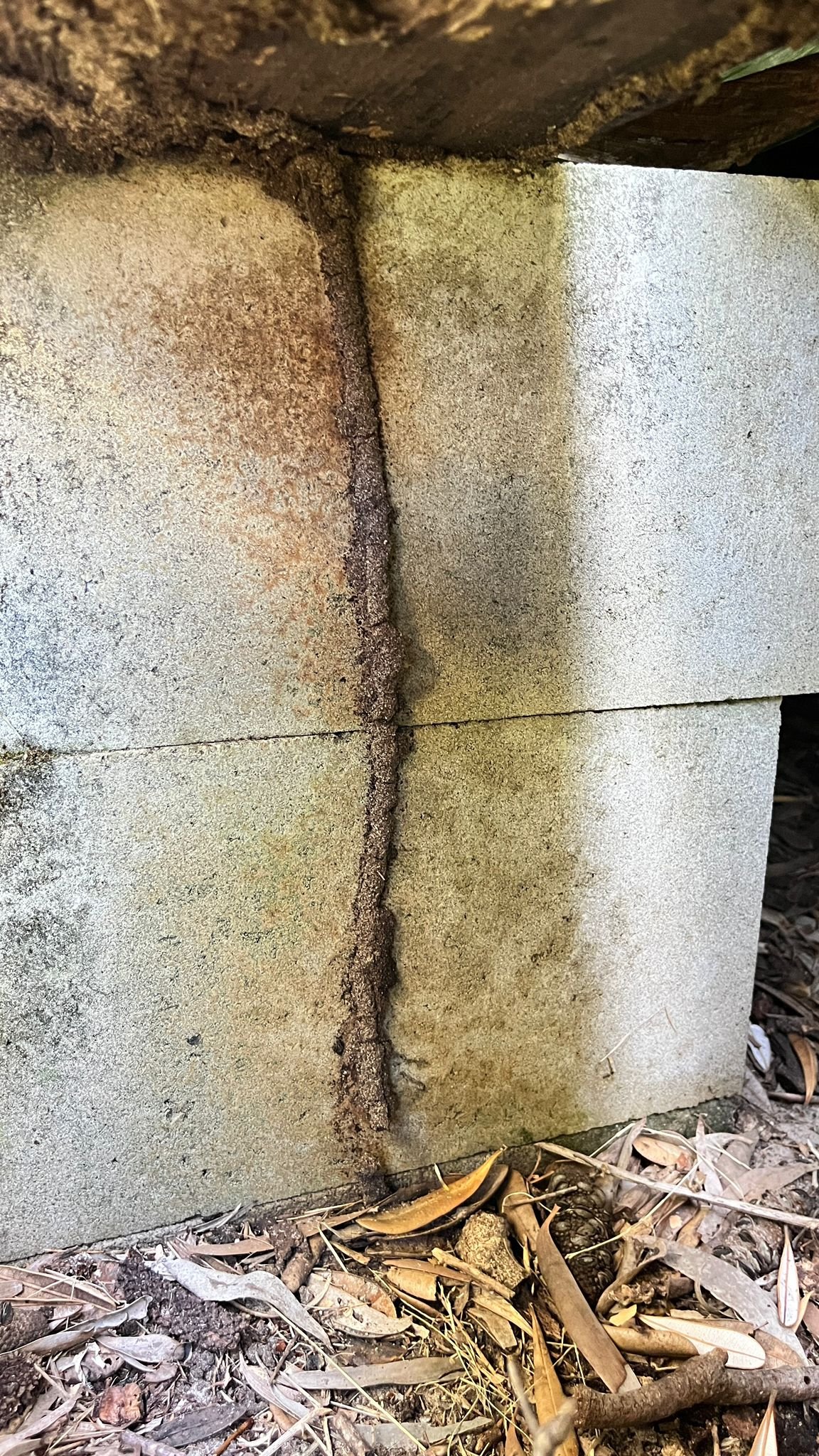
Termite workings or mud leads
Timber damage
Moisture
Plumbing leaks
Damp ground
Timber-to-ground contact
Stored timber
Poor ventilation
Previous repairs
Areas that can't be properly accessed
It can also help explain conditions elsewhere in the building.
For example, elevated moisture inside a home may have a source beneath the floor.
But access matters.
If sections of the subfloor are too low, enclosed, obstructed or unsafe to enter, those areas may not be fully inspected.
That's why maintaining reasonable access beneath raised homes can be valuable for long-term termite management.
-
A property changes over time.
Owners landscape.
Gardens grow.
Decks are added.
Paths are installed.
Materials are stored.
These changes may seem unrelated to termite management, but they can affect how easily the building can be inspected.
Matt may find areas where:
Soil levels have been raised
Mulch covers lower wall areas
Garden beds sit directly against the building
Stored items block access
Decking conceals building edges
Vegetation prevents inspection
New structures cover previously visible areas
This doesn't mean homeowners can't landscape or improve their property.
It means termite inspection access should be considered when making those changes.
If an important area can't be seen, termite activity can be harder to detect.
Maintaining visibility around key parts of the building can help make future inspections more effective.
-
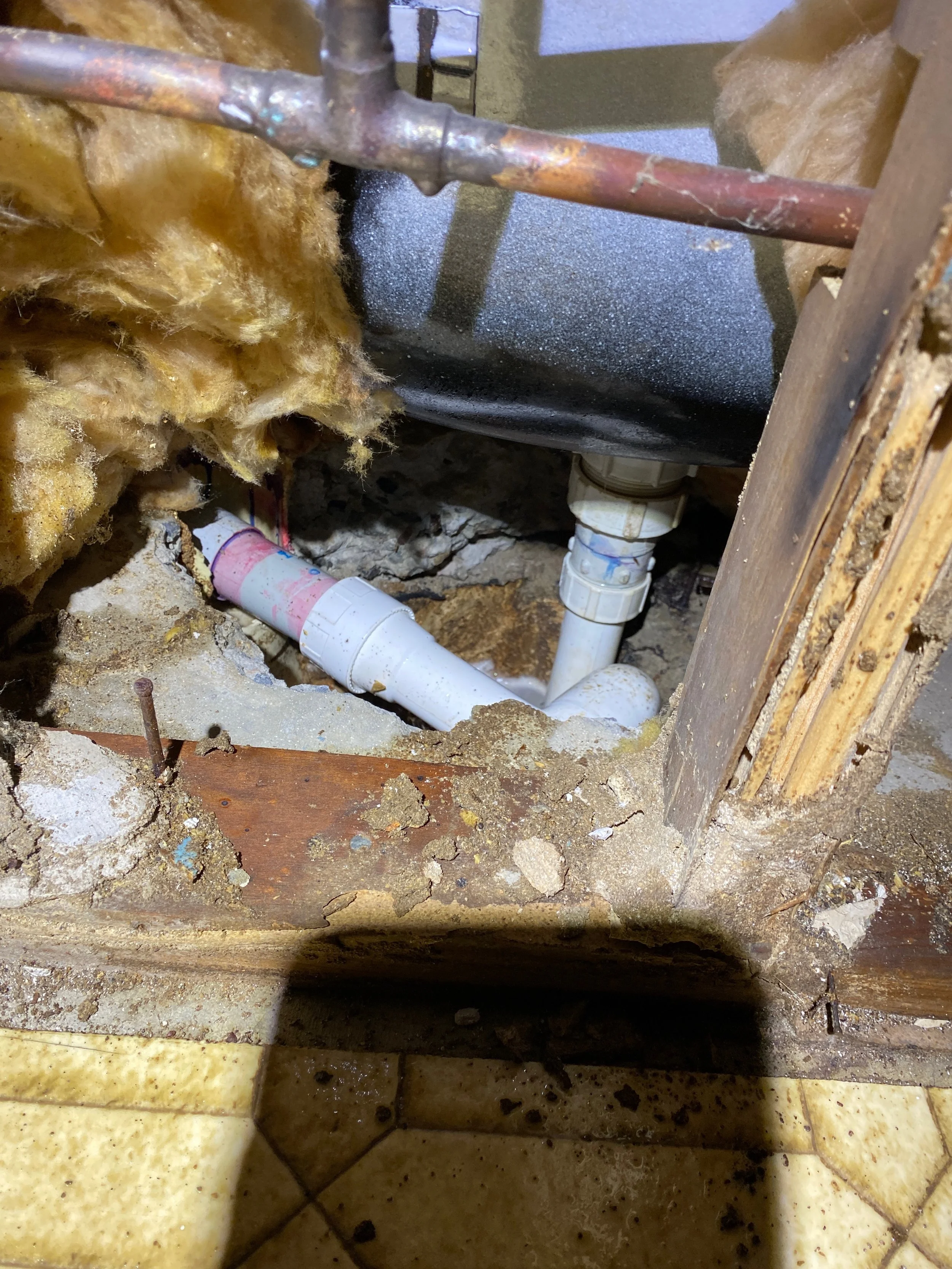
A slow leak can be easy to ignore.
But over time, even a relatively small plumbing problem can create persistent damp conditions.
Common sources include:
Outdoor taps
Hot-water systems
Bathrooms
Kitchens
Toilets
Pipes beneath raised homes
Irrigation
Air-conditioning drainage
Matt isn't saying:
“A leaking tap means termites.”
It doesn't.
The issue is that unnecessary moisture can change conditions around the building.
It may also:
Damage timber
Encourage mould
Support some pest species
Create damp subfloor areas
Make other building problems worse
If a leak is known about, fixing it removes an avoidable risk factor.
You can't control the Northern Rivers rainfall. You can control the leaking tap.
-
Pest prevention doesn't need to mean constantly spraying chemicals around the property.
Some of the most useful preventative work is simply good property maintenance.
Matt recommends paying attention to:
Food sources
Moisture
Drainage
Rubbish
Pet food
Animal feed
Vegetation
Stored materials
Timber
Building gaps
Roof spaces
Subfloors
Sheds
The exact priorities depend on the pest.
For example, controlling accessible food may be particularly important for rodents.
Managing moisture may be relevant to cockroaches and termite risk.
Vegetation and building access may matter for several different pests.
The goal isn't to make your property completely pest-proof.
That's unrealistic.
The aim is to remove avoidable opportunities wherever practical.
Less food + less water + less shelter + fewer entry points = a less attractive environment for unwanted pests.
-
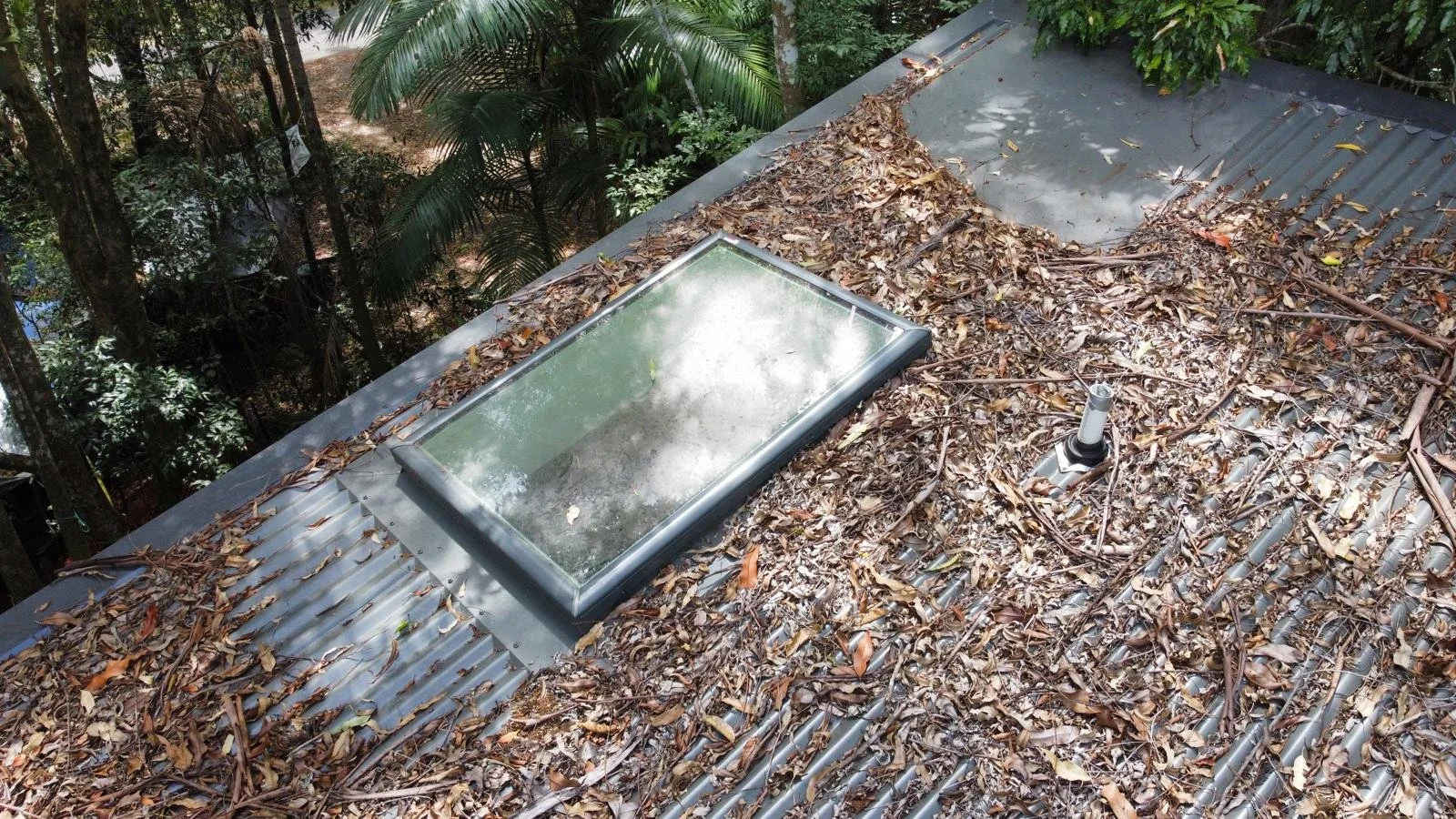
During Northern Rivers rainfall, a large volume of water can move across a roof.
The guttering and downpipe system has an important job:
Get that water where it's supposed to go.
Problems can develop when:
Gutters are blocked
Downpipes are damaged
Water overflows
Stormwater isn't draining properly
Water is discharged beside the building
Leaves and debris accumulate
From a pest-management perspective, Matt pays attention because these conditions can contribute to:
Persistent moisture
Damp timber
Building deterioration
Wet subfloors
Pest harbourage
Conditions relevant to termite risk
Maintaining gutters and drainage isn't a termite treatment.
It's simply sensible property maintenance.
Not Sure What's Happening Around Your Property?
Pest and termite problems aren't always obvious.
If you've noticed unusual pest activity, unexplained timber damage, moisture or something around your property that doesn't look right, talk to Matt.
Zone Pest can help determine whether you need an inspection, pest treatment or simply a closer look at what's happening.
Call Matt
Gardens, Vegetation & Property Perimeter Frequently Asked Questions
-
Gardens are part of what makes many Northern Rivers properties so appealing.
The problem isn't having a garden.
Matt is more interested in how the garden interacts with the building.
Garden beds immediately beside a house can sometimes:
Hold moisture
Cover lower wall areas
Conceal slab edges
Reduce inspection visibility
Raise soil levels
Introduce timber edging
Bring irrigation close to the building
Support dense vegetation against walls
None of those conditions prove termites are present.
But they can affect the overall termite-risk environment and make inspection more difficult.
When planning or maintaining gardens, it's useful to think about whether important areas around the building remain visible and whether water is draining away appropriately.
You don't need to remove the garden. You need to understand what's happening between the garden and the house.
-
Mulch is useful in gardens.
It helps retain moisture, suppress weeds and improve garden conditions.
Those same moisture-retaining qualities mean Matt pays attention to how mulch is used immediately around buildings.
The concern isn't that:
“Mulch causes termites.”
That's too simplistic.
Instead, excessive mulch close to the building may:
Retain moisture
Cover slab edges
Conceal lower wall areas
Reduce visibility during termite inspections
Contain cellulose material
Make it harder to notice changes around the perimeter
The correct approach depends on the construction of the property and any existing termite-management system.
Rather than applying one arbitrary distance to every home, the priority is keeping important inspection areas visible and avoiding unnecessary moisture accumulation against the structure.
-
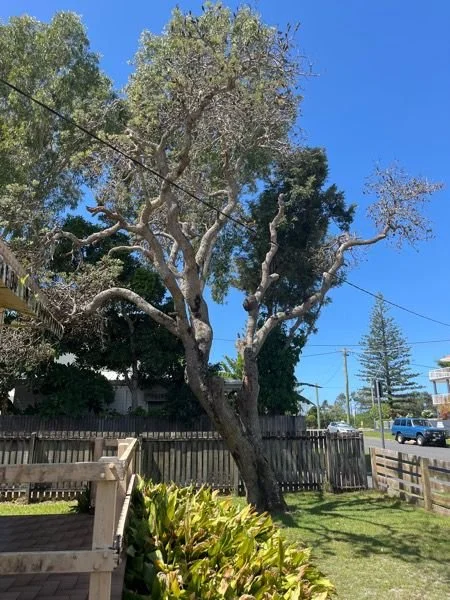
Termites play an important role in the natural environment by breaking down dead timber.
So finding termites in an old stump isn't necessarily unusual.
The important distinction is:
Termites in a tree stump ≠ termites in the house.
However, finding termite activity around the property does confirm that termites are present in the surrounding environment.
Matt may then consider:
How close the stump is to the building
Whether termite activity is present
Other timber around the property
Property construction
Moisture
Existing termite protection
Inspection history
Whether the home has been professionally inspected
The wrong response is to panic.
It's also not a good idea to disturb or spray suspected termite activity before professional assessment.
If you're concerned, have the situation inspected so the activity can be properly identified and considered in the context of the whole property.
-
Firewood is one of the most common timber storage issues Matt sees around properties.
This becomes particularly relevant after winter when unused firewood may remain stacked for months through warmer and wetter conditions.
Firewood can:
Remain in contact with soil
Become wet
Provide timber for wood-destroying organisms
Conceal areas beside the building
Restrict termite inspection access
The concern becomes greater when timber is stacked directly against the house.
A better approach is to store firewood:
Away from the building where practical
Raised off the ground
In a well-managed storage area
Away from important inspection zones
Where it can remain reasonably dry
Again:
Firewood beside the house doesn't prove termites are attacking the home.
It's simply an unnecessary condition that can be managed.
If the timber doesn't need to be against the house, don't store it there.
-
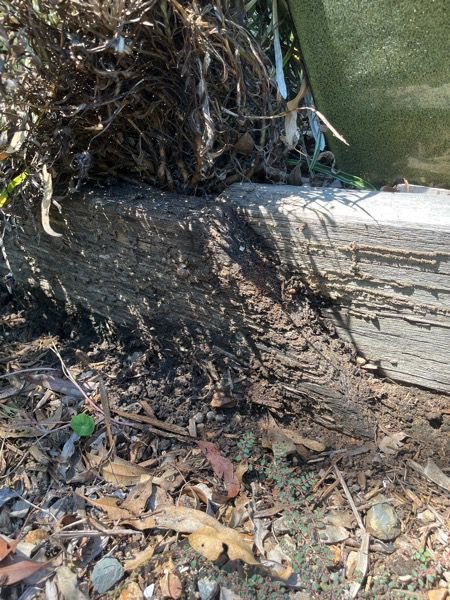
Timber is commonly used throughout gardens and landscaping.
That includes:
Retaining walls
Garden edging
Steps
Sleepers
Raised beds
Landscape structures
When timber remains in direct contact with soil, it's exposed to moisture and organisms naturally present in the environment.
That can include termites.
The significance to the home depends on factors such as:
Distance from the building
Condition of the timber
Moisture
Drainage
Property construction
Existing termite protection
Whether inspection areas are being concealed
An old timber retaining wall at the far end of an acreage property presents a different situation from landscaping timber installed directly against the house.
Context matters.
Related Pages
Termite Inspection Knowledge Centre
Termite Protection
Termite Inspections
-
Northern Rivers gardens can grow quickly.
Dense vegetation around a home can create practical pest-management issues when it:
Blocks access
Conceals walls
Covers inspection zones
Holds moisture
Touches roofing
Creates pest harbourage
Makes maintenance difficult
Branches touching or overhanging the building may also create pathways for some pests.
The solution isn't to strip every property of vegetation.
Matt isn't trying to turn a lush Northern Rivers garden into an empty yard.
The aim is to maintain a sensible relationship between vegetation and the building.
You should be able to inspect and maintain important parts of the property without fighting your way through the garden.
Healthy garden. Visible building. That's the balance we're looking for.
-
When Matt walks around a property, one of the things he's watching is where the water goes.
After rain, water should generally be managed so it isn't unnecessarily collecting:
Against walls
Around foundations
Beneath raised homes
Around landscaping
Near timber structures
In poorly drained areas beside the building
Drainage problems can arise from:
Ground levels
Blocked drains
Damaged downpipes
Overflowing gutters
Landscaping
Paving
Poor surface falls
Irrigation
Persistent moisture can contribute to building deterioration and create conditions that deserve attention during termite management.
The important distinction remains:
Poor drainage doesn't mean you have termites.
But fixing avoidable moisture problems is good property maintenance and can reduce conditions that may contribute to termite risk.
-
You don't need to become a pest technician to keep an eye on your property.
A simple walk around the outside of the home every so often can help you notice changes.
Matt recommends thinking about seven areas.
1. Moisture
Look for:
Leaks
Damp areas
Dripping taps
Air-conditioning drainage
Unexplained wet areas
2. Drainage
Check whether water is collecting against or underneath the building.
3. Timber
Look at:
Firewood
Stored timber
Tree stumps
Sleepers
Retaining walls
Timber debris
4. Vegetation
Check whether gardens or branches are obstructing the building or creating pest pathways.
5. Food Sources
Consider:
Pet food
Rubbish
Compost
Fallen fruit
Outdoor cooking areas
Animal feed
6. Entry Points
Look for obvious gaps around:
Doors
Windows
Rooflines
Pipes
Other building penetrations
7. Inspection Access
Ask:
Can the important areas around my house actually be seen and inspected?
This isn't a substitute for professional pest or termite inspections.
It's simply good property awareness.
If you notice suspected termite activity, unexplained timber damage, persistent pest activity or something you aren't sure about, have it professionally investigated.
Rural, Acreage & Bushland Properties Frequently Asked Questions
-
Acreage properties can contain more natural pest habitat and potential food, water and shelter than smaller residential blocks. Acreage properties are different because the house is only one part of a much larger environment.
Depending on the property, there may also be:
Sheds
Workshops
Garages
Barns
Fences
Animal enclosures
Feed storage
Water tanks
Dams
Creeks
Dense vegetation
Fallen trees
Firewood
Stored timber
Machinery
Compost
Multiple outbuildings
All of these can influence where pests find food, water and shelter.
That doesn't mean an acreage property should somehow be made pest-free.
That's neither realistic nor the objective.
The aim is to understand where unwanted pests are becoming established and how the broader property environment may be contributing.
On acreage, effective pest management often starts well beyond the walls of the house.
-
Acreage properties can contain more timber, vegetation and potential termite habitat, but acreage alone doesn't mean a home has a higher level of termite activity. The individual house and surrounding conditions still need to be assessed.
-
Yes. Sheds and outbuildings containing timber or cellulose materials can also be affected by termites, particularly where timber contacts soil, moisture is present or inspection access is limited.
-
Yes. Timber in contact with soil, including old fence posts and timber debris, can sometimes contain termite activity. Finding termites there doesn't automatically mean the house is affected.
-
Stored timber can provide a potential food source for termites, particularly when it remains in contact with soil or becomes damp. Where practical, timber should be stored off the ground and away from important building inspection areas.
-
Not every fallen tree or stump needs to be removed solely because of termites. Dead timber is a natural part of rural and bushland environments, but timber close to buildings or showing termite activity may deserve closer attention.
-
Bushland provides natural habitat for termites, insects, rodents and other wildlife, but living beside bushland doesn't automatically mean pests will become established inside the home. Managing the interface between the natural environment and the building is the priority.
-
Water sources form part of the surrounding environment and can support insects and wildlife, but the presence of a dam, creek or waterway doesn't automatically cause a pest problem inside a home.
-
Yes. Animal feed, bird seed and pet food can provide reliable food sources for rodents, ants, cockroaches and other pests if they're easily accessible.
-
Start with the areas that matter most rather than trying to eliminate pests from the entire landscape. Focus on buildings, food sources, moisture, harbourage, pest entry points and conditions supporting activity around the structures you want to protect.
Something Around Your Property Doesn't Look Right?
You don't need to work out exactly what the problem is before calling.
Whether you've found suspected termites, recurring pest activity, unexplained timber damage or simply something you're unsure about,
Matt can help determine what should happen next.
Zone Pest provides practical pest and termite advice for homes and properties across the Northern Rivers and Tweed Coast.