

General Pest Education Frequently Asked Questions
Understanding Pests Is the First Step to Managing Them
Ants in the kitchen. Cockroaches appearing after dark. Spiders making themselves at home around windows and outdoor areas.
Scratching noises coming from the roof.
Living in Australia means sharing our environment with an enormous variety of insects, spiders, and other creatures. Some are harmless visitors, others play important roles in the ecosystem, and some can become genuine problems when they move into our homes and buildings.
But not every insect you find is a pest, and not every pest sighting means you have an infestation.
At Zone Pest, we believe understanding what you're dealing with is one of the most important parts of effective pest management.
Before deciding what needs to be done, it helps to understand what the pest is, why it's there, where it's
coming from, and what conditions might be allowing it to stay.
Understanding Household Pests Frequently Asked Questions
-
The word pest describes the problems an organism causes rather than identifying a particular group of animals.
An ant outside in the garden may be going about its normal activities without causing any concern.
That same species may become a household pest if large numbers repeatedly enter the kitchen and contaminate food.
Likewise, rodents can live in natural environments without directly affecting a property. But rats or mice nesting inside a building can create problems through gnawing, contamination and damage.
When assessing whether something is a pest, it helps to consider:
What species is present?
Where is it appearing?
Is it causing damage?
Is there a health or safety concern?
Is the activity recurring?
Is it interfering with normal use of the property?
Some insects are beneficial and should generally be left undisturbed where they aren't creating a problem.
At Zone Pest, the starting point is understanding what has been found and whether its presence actually requires action.
-
A house can provide many of the same resources insects and other animals seek in their natural environment.
Kitchens may offer accessible food.
Bathrooms and laundries can provide moisture.
Roof spaces, garages and cupboards may offer sheltered areas.
Small openings around doors, windows, pipes and other building features can allow pests to enter.
However, different pests have different motivations.
Ants may follow food sources.
Cockroaches may seek protected harbourage near food and moisture.
Rodents may enter buildings looking for shelter or nesting opportunities.
Spiders may appear where suitable shelter and insect prey are available.
Occasionally, an insect simply enters through an open door or window.
Finding a pest inside doesn't automatically mean your home has an infestation.
The important questions are what the pest is, why it may be there and whether the activity is continuing.
-
Different pests respond to different environmental conditions.
For many household pests, the main considerations are:
Food
Accessible food can include crumbs, uncovered food, pet food, rubbish and stored products.
Water
Leaks, condensation, damp areas and standing water can provide moisture for some pests.
Shelter
Protected areas beneath appliances, behind stored materials, inside roof spaces and around buildings can provide harbourage.
Temperature
Some pests seek suitable conditions when outdoor temperatures change.
Breeding Opportunities
Certain environments provide appropriate places for insects or rodents to reproduce.
For example, ants may establish trails to food, while rodents may take advantage of accessible food and sheltered nesting locations.
The presence of one attractive condition doesn't guarantee a pest problem.
However, understanding what supports a particular pest can help explain why activity is occurring.
-
One of the biggest misconceptions about household pests is that their presence means a property is dirty.
That simply isn't true.
Good housekeeping can reduce accessible food and some harbourage, but it doesn't eliminate every reason a pest may enter a home.
For example:
Ants may enter through tiny openings.
Spiders may move indoors from surrounding gardens.
Cockroaches may enter from outside or through shared building pathways.
Rodents may find access through rooflines or other openings.
Flying insects may enter through open doors and windows.
A clean home may also have moisture, shelter or suitable temperatures that certain pests can use.
This doesn't mean cleanliness is unimportant.
It remains a useful part of prevention.
But pest management needs to consider the whole property and the behaviour of the pest involved.
-
Seeing a single insect doesn't automatically mean there's a larger population living inside your home.
An occasional spider may have wandered indoors.
A flying insect may have entered through an open window.
An ant may be exploring a potential food source.
However, a single sighting shouldn't always be dismissed either.
Some pests spend much of their time concealed.
The significance depends on:
The pest species
Where it was found
Whether it is normally active indoors
Whether there are signs of breeding
Whether activity has occurred before
Whether damage or contamination is present
For example, a cockroach found in a kitchen may warrant a closer look, particularly if additional evidence is present.
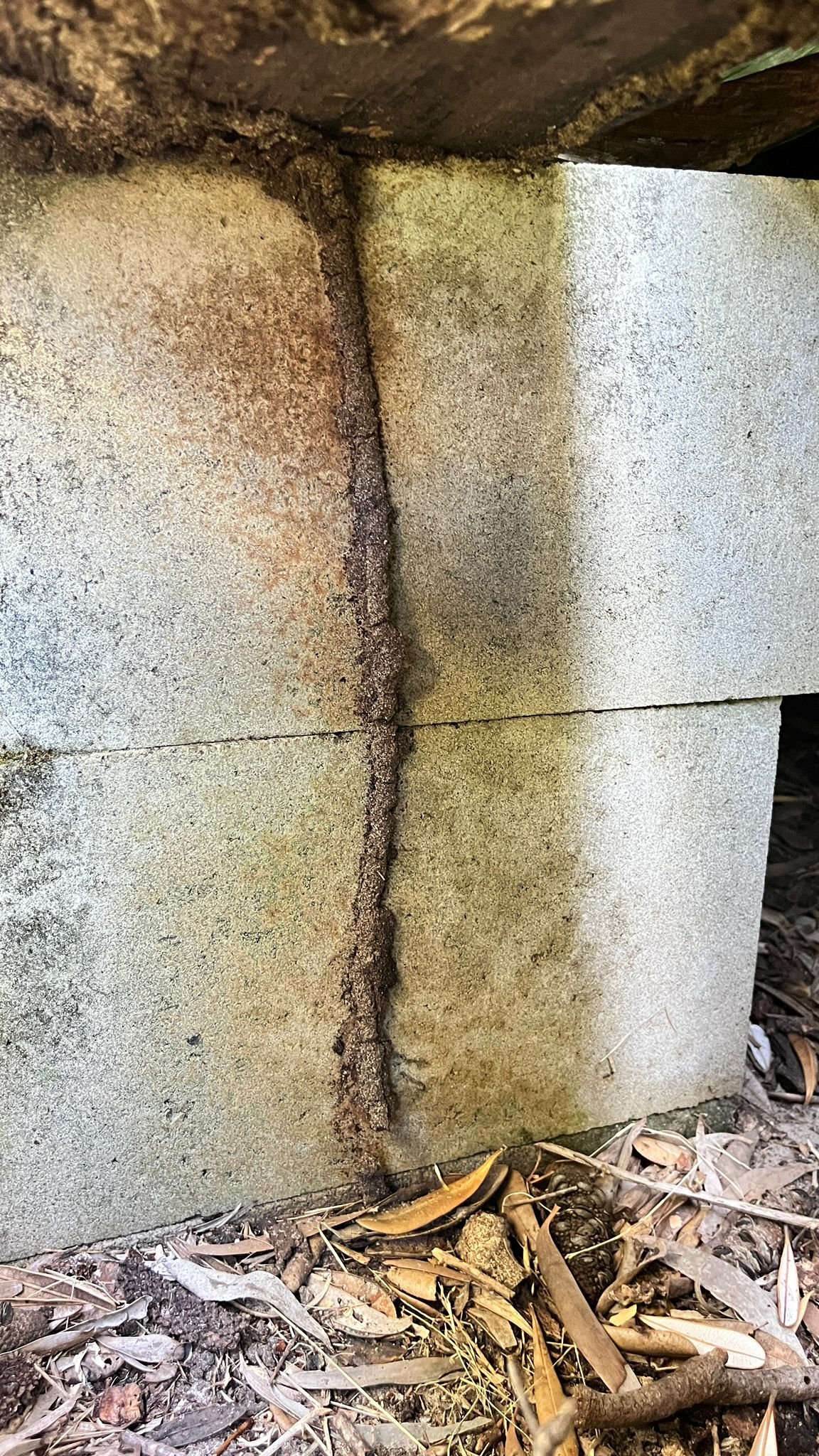
Suspected termites deserve professional investigation even if only a small amount of activity is visible.
The best approach is to identify the pest and assess the evidence rather than judging the problem by the number seen.
-
Correct identification is one of the most useful first steps in understanding pest activity.
If you find an unfamiliar insect or other small animal, consider:
Approximate size
Colour
Number of legs
Body shape
Presence of wings
Movement
Where it was found
Time of day
Whether others are present
A photograph can be useful, especially if the pest is difficult to describe.
However, photographs don't always provide enough information for reliable identification.
Some species look very similar.
Young insects may also look different from adults.
Avoid handling unfamiliar spiders, wasps or other potentially dangerous animals.
If you're unsure what you've found, professional identification can help determine whether it is a pest, a beneficial species or something requiring particular caution.
Identify first. Decide what to do second.
-
If pests keep appearing in the same location, there's often a reason worth investigating.
For example, ants may follow established trails between a colony and a food source.
Cockroaches may repeatedly emerge from nearby harbourage.
Rodents may use familiar routes along walls, roof spaces or concealed areas.
Other pests may return because a particular location provides suitable moisture or shelter.
Simply removing or killing the pest you see may not change the conditions supporting the activity.
Useful questions include:
Is food accessible?
Is moisture present?
Is there a nearby nesting area?
Is the pest entering through a particular opening?
Is the activity occurring at the same time each day?
Are more pests appearing over time?
Understanding the pattern can help identify the source and guide an appropriate response.
-
Many household pests spend much of their time out of sight.
This can make it difficult to judge the extent of activity from occasional sightings.
Potential harbourage includes:
Kitchens
Behind appliances, beneath cupboards and around plumbing.
Bathrooms and Laundries
Damp or protected spaces, particularly where moisture is available.
Roof Voids
Sheltered areas that may be used by rodents and some other animals.
Subfloors
Concealed spaces where moisture, timber and building access may influence pest activity.
Garages and Sheds
Stored materials, cardboard, timber and equipment can create sheltered spaces.
Gardens and Building Perimeters
Vegetation, debris, retaining walls and other structures may provide natural harbourage.
Not every pest uses all these locations.
Understanding the species is essential when deciding where to investigate.
Where pests hide often tells us as much as where they're seen.
Pest Behaviour, Habitats & Life Cycles Frequently Asked Questions
-
One of the most important things to understand about pests is that they don't all behave in the same way.
Even insects that look similar can have very different habits.
Ants, for example, are social insects that generally live in organised colonies. Their behaviour often involves workers searching for food and communicating with other members of the colony.
Cockroaches have different feeding and sheltering habits depending on the species. Some are closely associated with indoor environments, while others primarily live outdoors and occasionally enter buildings.
Spiders are predators, but even they vary considerably. Some build webs to capture prey, while others actively hunt.
Rodents are mammals with their own feeding, nesting and movement behaviours.
These differences influence:
Where pests are likely to be found.
When they are most active.
What attracts them.
How they reproduce.
How they respond to environmental changes.
Whether their presence represents a problem.
This is why pest identification is so important.
At Zone Pest, understanding the pest's behaviour is part of determining what may be happening around a property and whether action is needed.
-
Not every pest lives in a colony.
Ants and termites are examples of social insects with organised colonies. Different members perform different roles, and the colony functions as a connected biological system.
Ant colonies commonly include queens, workers and reproductive individuals.
Termite colonies also have specialised roles, although their organisation differs from that of ants.
Some wasps live in social colonies, while other wasp species are solitary.
Cockroaches may gather in suitable harbourage, but that doesn't make them social colony insects in the same sense as ants or termites.
Many spiders are primarily solitary.
Understanding this difference is important because it affects how pest activity develops.
For example, seeing a few ants travelling across a kitchen bench may indicate workers from a colony located elsewhere.
Finding a solitary spider doesn't necessarily suggest that other spiders are living together nearby.
Similarly, several cockroaches using the same sheltered location may indicate favourable harbourage rather than a structured colony.
The way a pest lives and reproduces helps explain why some problems involve individual animals while others involve larger populations.
-
Different pests have different requirements when selecting places to live.
Some construct nests.
Others occupy existing cavities, cracks or sheltered spaces.
Ants may establish colonies in soil, timber, wall cavities or other suitable locations, depending on the species.
Rodents may build nests using soft materials in protected spaces such as roof voids, wall cavities or stored belongings.
Some wasps construct nests from paper-like material, mud or other substances.
Cockroaches generally seek suitable harbourage rather than building nests in the way birds or rodents do.
Spiders may occupy webs, retreats, crevices or burrows, depending on the species.
Common areas worth understanding include:
Roof voids and wall cavities.
Gaps beneath appliances.
Cupboards and storage areas.
Garages and sheds.
Soil and garden beds.
Vegetation and outdoor structures.
Protected spaces around plumbing.
Timber and stored materials.
A sheltered location alone doesn't prove that pests are present.
However, understanding where particular species are likely to live can help when investigating recurring activity.
Avoid disturbing unidentified nests or concealed areas that may contain stinging insects, dangerous spiders or other hazards.
-
One reason pest activity can seem to increase suddenly is that some species reproduce relatively quickly when conditions are suitable.
However, there is no single reproduction rate that applies to all household pests.
Cockroach species differ in how many eggs they produce, how those eggs develop and how long it takes young cockroaches to mature.
Ant colony growth depends on the species, colony structure, available resources and environmental conditions.
Rodents can reproduce repeatedly when conditions support breeding, although their reproductive rates vary.
Spiders also have very different breeding patterns depending on the species.
Population growth can be influenced by:
Suitable temperatures.
Access to food.
Available water or moisture.
Protected breeding areas.
Predation.
Competition.
Species-specific life cycles.
It's also important to understand that increased sightings don't always mean the population has suddenly increased.
Pests may simply become more visible because of changes in weather, food availability or movement patterns.
When pest activity increases, identifying the species and investigating the surrounding conditions is more useful than assuming the cause.
-
Finding food and water is essential for survival, but different pests have very different ways of doing it.
Ants are particularly interesting because many species use chemical trails to help other colony members locate food.
When workers discover a useful food source, they may leave pheromone signals that guide additional ants along the route.
Cockroaches use sensory information to explore their surroundings and locate suitable food, water and shelter.
Rodents have highly developed senses of smell and touch that help them navigate and investigate potential food sources.
Spiders generally hunt other small animals rather than searching for household food scraps. Depending on the species, they may use webs, vibration, vision or active hunting.
Some insects are attracted to moisture, while others obtain much of the water they need from food.
This helps explain why different pests appear in different locations.
A kitchen may attract food-seeking insects.
A damp area may support moisture-dependent species.
A garden light may attract flying insects, which can in turn attract predators such as spiders.
Understanding these relationships helps homeowners recognise that pest activity is often connected to available resources.
-
Pests respond to changes in their environment.
Warm conditions can increase activity or development rates for some insects when temperatures remain within suitable ranges.
Rainfall may alter nesting conditions, increase moisture availability or influence movement.
Dry weather can encourage some pests to search for water.
Cooler temperatures may reduce activity in certain species or encourage animals to seek sheltered environments.
However, there is no universal rule that all pests become more active in summer or disappear in winter.
Different species have different tolerances and life cycles.
A few examples include:
Ant foraging can change with temperature and rainfall.
Mosquito breeding may increase where suitable standing water is available.
Rodents may seek protected shelter when outdoor conditions change.
Some insects become more visible during seasonal reproductive activity.
Heavy rain can disturb outdoor harbourage or nesting locations.
For Northern Rivers homeowners, seasonal weather is particularly relevant because local conditions can change considerably throughout the year.
Our Northern Rivers Pest & Termite Advice section explores those regional patterns in more detail.
Here, the important lesson is that weather can change pest behaviour without necessarily indicating a new infestation.
-
A lack of visible pests doesn't always mean there's no pest activity.
Some species naturally spend most of their time in protected harbourage.
Cockroaches may shelter in cracks, crevices or concealed spaces around appliances and cupboards.
Rodents may move through roof voids, wall cavities or other areas that aren't regularly inspected.
Ant colonies can exist outside a building while workers enter through small openings.
Other insects may spend much of their life cycle as eggs, larvae or nymphs in locations homeowners rarely examine.
Several factors can make pest activity difficult to notice.
-
Nature has its own systems for regulating insect populations.
Predators and parasitoids are important parts of those systems.
Some beneficial insects actively hunt and consume other insects.
Others lay eggs in or on host insects, with their developing young eventually affecting the host.
Examples include:
Ladybirds
Many species feed on aphids, scale insects and other small plant-feeding insects.
Lacewings
The larvae of many lacewing species are predators of aphids and other soft-bodied insects.
Hoverflies
Adults often visit flowers, while the larvae of some species feed on aphids.
Predatory Beetles
Various beetle species hunt other insects and small invertebrates.
Parasitoid Wasps
Many small wasp species use other insects as hosts for their developing young.
These natural relationships help maintain ecological balance.
However, beneficial insects aren't a guarantee that pest populations will remain low.
Their effectiveness depends on the species involved, environmental conditions and the availability of prey.
The important point is that not every insect should automatically be viewed as something that needs eliminating.
At Zone Pest, understanding the role of insects in the environment is part of providing responsible pest advice.
-
It's understandable to focus on the pests you can see.
If ants are moving across the kitchen bench or a cockroach appears near an appliance, the immediate reaction is often to remove them.
But visible activity doesn't always represent the full situation.
For example, ants travelling through a kitchen may belong to a colony located elsewhere.
Cockroaches may spend much of their time concealed in protected harbourage.
Rodents may use hidden movement routes between feeding and nesting areas.
In these situations, dealing with an individual pest may not change the conditions supporting the activity.
However, not every pest sighting indicates a hidden population.
An occasional outdoor insect that wanders inside may simply be removed without further action.
The important questions are:
What species is present?
Is the activity recurring?
Is there evidence of breeding or nesting?
Where might the pest be coming from?
Are food, water or shelter supporting the activity?
Is professional investigation appropriate?
This is why Zone Pest places importance on understanding the problem before recommending a solution.
-
There are many pest-control products available for household use.
Some can be useful when used correctly for their intended purpose.
However, it's important to understand their limitations.
A spray may kill an insect you can see without affecting other insects concealed nearby.
It may also fail to address the reason pests are entering the property.
For example:
Ants may continue travelling from an established colony.
Cockroaches may remain hidden in inaccessible harbourage.
Rodents require a different management approach.
Some pest species may not be suitable targets for a particular product.
Using an inappropriate product can also create unnecessary risks to people, pets, beneficial insects and the environment.
Always follow the product label, including safety instructions and restrictions.
Never assume that using more product will produce better results.
For suspected termites, avoid disturbing the activity or applying household insecticides, as this can complicate professional assessment and management.
The most useful starting point is identifying the pest and understanding the extent of the problem.
Professional pest management becomes particularly relevant when activity is recurring, concealed or difficult to identify.

Ants, Cockroaches & Crawling Pests Frequently Asked Questions
-
One of the most common questions homeowners ask is why ants seem to appear almost overnight.
You might notice one or two ants exploring a kitchen bench, then return a short time later to find a steady trail moving across the surface.
For many ant species, this behaviour is connected to how colonies find and share resources.
Worker ants leave the nest to search for food and water. When a useful source is discovered, some species use chemical signals called pheromones to help other workers locate it.
This can quickly create a visible trail.
However, food isn't the only reason ants may enter a building.
Ant activity can also be influenced by:
Accessible water or moisture.
Changes in outdoor conditions.
Disturbance of nesting areas.
Suitable shelter.
Seasonal colony activity.
Openings that allow movement into buildings.
A sudden increase in ants doesn't necessarily mean a new colony has established itself inside the house.
The nest may be outdoors, beneath paving, within soil or in another protected location.
Understanding the species and observing where the ants are travelling can help establish why they're appearing.
-
If you've ever watched ants moving in a line along a wall, across a path or over a kitchen bench, you've seen an example of organised insect behaviour.
Ants don't necessarily follow these routes by coincidence.
Many species communicate using chemical signals known as pheromones.
When a worker discovers a suitable food source, it may deposit a trail that other ants can detect and follow.
As more ants use the route, the trail may become reinforced.
This allows a colony to gather resources efficiently.
Ant trails can follow:
Building edges.
Skirting boards.
Benchtops.
Window frames.
Garden paths.
Fences.
Cracks and gaps in structures.
Not all ant species use identical foraging strategies, and some rely more heavily on individual searching than others.
If ants repeatedly appear in the same place, it may indicate an established route to a resource rather than a nest at that exact location.
Removing visible ants doesn't necessarily remove the colony or the conditions encouraging their activity.
At Zone Pest, understanding where the ants are travelling and why is an important part of investigating recurring ant problems.
-
It's easy to assume that every ant colony lives underground.
While soil is a common nesting environment, ants are a diverse group of insects with different habitat requirements.
Some species build nests beneath lawns, garden beds or paving.
Others may establish colonies in:
Decaying timber.
Tree cavities.
Hollow branches.
Rock crevices.
Wall cavities.
Roof spaces.
Protected areas around buildings.
Certain ants may also establish temporary or satellite nesting locations.
This means the ants appearing inside a house aren't necessarily nesting beneath the floor or inside the wall where they're seen.
They may be travelling from an outdoor colony.
The species involved, movement patterns and surrounding conditions all help determine where the colony might be located.
It's also important not to confuse ants with termites.
Although both can live in colonies, they are different insects with different biology and behaviour.
If you're unsure whether you've found ants or termites, professional identification is worthwhile, particularly where timber damage or concealed activity is suspected.
-
Kitchens and bathrooms can provide cockroaches with food, moisture, warmth and protected harbourage. However, different cockroach species have different habitat preferences, and not all cockroaches establish themselves indoors.
-
You've probably heard the claim that seeing a cockroach during the day means there must be hundreds hiding nearby.
That's an oversimplification.
Cockroach behaviour varies considerably between species.
Some are primarily nocturnal and tend to remain concealed during daylight hours.
Others are more likely to be encountered outdoors during the day.
A cockroach may also emerge from shelter because of disturbance, environmental conditions or movement between locations.
The significance of a daytime sighting depends on several factors:
Which cockroach species is present.
Whether the cockroach is an adult or nymph.
Where it was found.
Whether sightings are recurring.
Whether egg cases or other evidence are present.
Whether suitable indoor harbourage exists.
For example, repeated sightings of German cockroach nymphs in a kitchen can be more concerning than a single outdoor species that has wandered through an open door.
Rather than relying on the time of day alone, the best approach is to identify the species and assess the surrounding evidence.
-
Cockroaches have reproductive characteristics that can help some species establish populations inside buildings.
Female cockroaches produce egg cases known as oothecae.
The number of eggs, the way egg cases are carried or deposited, and the time required for development vary between species.
Young cockroaches are called nymphs.
They resemble smaller versions of adults but develop through a series of moults before reaching maturity.
Some indoor pest species can reproduce efficiently when conditions are favourable.
Population development is influenced by:
Temperature.
Food availability.
Moisture.
Suitable harbourage.
Species-specific breeding rates.
Survival of eggs and nymphs.
This helps explain why an indoor cockroach problem may become more noticeable over time.
It also explains why identifying immature cockroaches can be important.
Finding nymphs may indicate that reproduction is occurring nearby, although the evidence still needs to be assessed in context.
At Zone Pest, understanding the cockroach species and signs of breeding helps determine the nature of the activity.
-
Silverfish are among the more unusual-looking insects homeowners encounter.
They have elongated, flattened bodies, long antennae and three tail-like appendages at the rear.
Their movement often resembles the quick, wriggling motion of a fish, which is where their common name comes from.
Silverfish are usually more active at night and may be found in protected areas such as:
Bathrooms.
Laundries.
Cupboards.
Storage spaces.
Behind skirting boards.
Areas containing paper or cardboard.
Many silverfish feed on materials containing starches, carbohydrates and certain other organic substances.
Depending on the species and circumstances, they may damage paper, wallpaper, books, fabrics or stored items.
Moisture can be an important factor for some species, although not all silverfish have identical humidity requirements.
A single silverfish doesn't automatically indicate a major problem.
However, repeated sightings or damage to stored materials may justify investigating the conditions supporting their activity.
Not Sure What Pest You’re Dealing With?
Finding pests around your home doesn't always mean there's a serious problem. But if you're noticing recurring activity, unusual damage or something you can't identify, it pays to understand what's happening.
At Zone Pest, Matt takes the time to identify the pest, assess the activity and explain the options.
Call Matt
Spiders Wasps & Other Common Insects Frequently Asked Questions
-
Living in Australia means sharing our environment with a wide variety of spiders.
They're part of our natural ecosystem, and many species are commonly encountered around homes, gardens, sheds and outdoor entertaining areas.
Spiders are predators that generally feed on insects and other small animals.
This means locations with suitable prey can also attract spiders.
Common places where spiders may be found include:
Around windows and door frames.
Beneath eaves and verandahs.
In gardens and vegetation.
Around outdoor lighting.
Inside garages and sheds.
Beneath outdoor furniture.
In sheltered cracks and crevices.
Different spider species have different habitat preferences.
Some construct webs to capture prey.
Others actively hunt.
Some prefer sheltered ground-level environments, while others are more commonly found in vegetation or elevated locations.
The presence of a spider doesn't automatically mean there's a pest problem.
However, some Australian spider species are medically significant and should be treated with appropriate caution.
If you're unsure what species you've found, avoid handling it and seek reliable identification.
At Zone Pest, we encourage homeowners to understand what they're seeing before deciding whether any action is necessary.
-
Spider webs around windows and outdoor lighting are a familiar sight for many homeowners.
These locations can be particularly useful for certain web-building species.
Outdoor lights may attract flying insects, creating feeding opportunities for spiders.
Windows, eaves, verandahs and building corners can also provide sheltered structures where webs can be anchored.
However, not all spiders build webs to catch prey.
Some spiders construct retreats or burrows.
Others actively hunt without using capture webs.
Even among web-building spiders, web shapes and locations vary considerably.
You may notice:
Orb-shaped webs between plants or structures.
Irregular webs in sheltered corners.
Sheet-like webs across vegetation.
Webs around outdoor lighting.
Silk retreats in cracks or crevices.
The presence of webs doesn't automatically indicate a dangerous spider.
Nor does the size of a web reliably indicate the danger posed by its occupant.
If webs are appearing repeatedly, it may be because the location continues to provide suitable shelter and insect prey.
-
Australia has a reputation for dangerous spiders, but it's important to keep that reputation in perspective.
The vast majority of spiders encountered around Australian homes do not present a serious medical threat to people.
Spiders are generally more interested in finding shelter and prey than interacting with humans.
However, some species require particular caution.
Funnel-web spiders and redback spiders are examples of medically significant Australian spiders.
Other species may bite when disturbed or handled, and reactions can vary.
The challenge is that spiders can sometimes be difficult to identify accurately.
Colour, size and general appearance aren't always reliable indicators of species or risk.
A large spider isn't necessarily more dangerous than a small one.
If you find an unfamiliar spider:
Avoid handling it.
Keep children and pets away.
Don't place your hands into concealed spaces where spiders may be sheltering.
Seek professional identification when necessary.
Obtain medical advice if a bite occurs.
For a suspected funnel-web or other potentially life-threatening spider bite, call Triple Zero (000), apply appropriate first aid and follow emergency medical instructions. Australian first-aid guidance differs by spider type, so don't assume the same technique applies to every bite.
Understanding spiders is much more useful than assuming every spider is dangerous.
-
Wasps are another group of insects that homeowners frequently encounter around buildings.
However, not all wasps behave in the same way.
Some species live in organised social colonies.
Others are solitary and construct individual nests or nesting chambers.
Social wasps may build nests in sheltered locations that offer protection from weather and disturbance.
Solitary wasps may use mud, soil, timber cavities or existing openings, depending on the species.
Potential nesting locations include:
Beneath eaves.
Around verandahs.
Inside roof spaces.
Under outdoor furniture.
In garden vegetation.
Around sheds.
Within suitable ground cavities.
The appearance and location of a nest can provide clues about the type of wasp involved, but identification should not rely on the nest alone.
Some wasps are valuable predators of other insects.
Others may become a safety concern when nests are established close to people, particularly where repeated disturbance is likely.
Avoid approaching, striking, spraying or attempting to dismantle an unidentified active wasp nest.
If a nest is close to a doorway, play area or frequently used outdoor space, seek appropriate professional advice.
-
Bees and wasps are sometimes confused because both can fly, may have yellow or dark markings, and some species can sting.
However, they aren't the same insects.
Bees are particularly important pollinators.
Many species collect pollen and nectar from flowers, helping plants reproduce.
Some bees live in colonies, while others are solitary.
Wasps are a diverse group with a wider variety of feeding behaviours.
Many wasps hunt other insects or use them as hosts for their developing young.
Adult wasps may also feed on nectar or other food sources.
Common differences can include:
Body Appearance
Many bees have relatively hairy bodies that assist with pollen collection.
Some wasps have smoother-looking bodies and a more pronounced narrow waist.
However, appearance varies, and these features aren't reliable enough for identifying every species.
Feeding Behaviour
Bees commonly collect pollen and nectar.
Many wasps hunt insects, scavenge or visit flowers.
Nesting Behaviour
Both groups include social and solitary species.
Ecological Role
Bees are important pollinators, while many wasps contribute to natural insect population control.
Both can provide valuable environmental benefits.
If bees establish a colony or swarm in an unsuitable location, seek advice from an experienced beekeeper or appropriate specialist rather than attempting to destroy or relocate them yourself.
-
If you've ever switched on an outdoor light and watched insects gather around it, you've probably wondered why it happens.
Artificial lighting can affect the behaviour of certain nocturnal insects.
Research indicates that some flying insects use natural light cues to help maintain their orientation.
Artificial lights can disrupt this behaviour, causing insects to circle, become disoriented or remain close to a light source.
Different insects respond differently depending on the species, light characteristics and surrounding conditions.
You may notice moths, beetles and other flying insects gathering around:
Porch lights.
Verandah lighting.
Outdoor entertaining areas.
Illuminated windows.
Garden lights.
Building entrances.
This activity can also attract predators.
Spiders may build webs nearby because flying insects provide feeding opportunities.
Other insect-eating animals may also take advantage of the concentration of prey.
This doesn't necessarily mean the flying insects are breeding inside the building.
They may simply be responding to the light.
Where insect activity around outdoor lighting is inconvenient, reviewing lighting placement and reducing unnecessary illumination may help.
-
Yes. Many spiders, wasps and predatory insects play important roles in natural ecosystems by feeding on other insects and helping regulate their populations. Their benefits should be considered alongside any genuine safety concerns.
Expanded Answer
It's easy to think of insects and spiders only in terms of whether we want them around our homes.
But many play valuable roles in the environment.
Spiders are predators that feed on a wide range of insects and other small animals.
Some wasps hunt caterpillars, flies, spiders or other prey.
Certain predatory beetles and other insects feed on organisms that may damage plants or become garden pests.
These relationships form part of the natural balance of ecosystems.
Examples of beneficial predators include:
Many spiders.
Ladybirds that feed on aphids.
Lacewing larvae.
Some predatory beetles.
Numerous solitary wasps.
Other insect-eating arthropods.
However, being beneficial doesn't automatically mean an animal is safe to handle or appropriate to leave in every location.
A medically significant spider inside a frequently used living area may warrant professional advice.
A defensive wasp colony beside a doorway may present an unacceptable risk.
The aim is to make informed decisions based on species, location, activity and risk.
Effective pest management doesn't mean eliminating every insect or spider around a property.
-
Most encounters with spiders, wasps and other insects don't require immediate pest treatment.
However, some situations deserve greater caution.
Examples include:
Potentially Dangerous Spiders
An unfamiliar spider found in a frequently used area may warrant identification, particularly if it resembles a medically significant species.
Active Wasp Nests
A nest near a doorway, children's play area or outdoor entertaining space can create a risk of accidental disturbance.
Repeated Indoor Activity
Frequent sightings may suggest suitable harbourage, access points or nesting activity nearby.
Children and Pets
Areas regularly used by children and pets may require additional consideration.
Known Sting Allergies
People with a history of severe allergic reactions may face greater risks from certain stinging insects.
Uncertain Identification
If you cannot confidently identify the species, avoid handling or disturbing it.
It's important not to assume that every spider, bee or wasp presents the same level of risk.
The species, location and circumstances all matter.
If someone experiences a severe allergic reaction, breathing difficulty, collapse or other signs of a medical emergency following a bite or sting, call Triple Zero (000).
For suspected dangerous spider bites, follow Australian first-aid guidance and seek urgent medical advice.
At Zone Pest, Matt's approach is to understand the activity and determine whether professional pest management is appropriate.
Rodents and Other Property Invaders Frequently Asked Questions
-
Rats and mice are adaptable animals that can live in a wide range of environments.
Although they're commonly associated with urban areas, rodents can also be found around suburban homes, rural properties, commercial buildings and natural environments.
When rodents enter buildings, they're generally responding to resources and conditions that support their survival.
These may include:
Accessible food and stored products.
Pet food and animal feed.
Water sources.
Protected nesting locations.
Suitable temperatures.
Openings that provide access to concealed spaces.
A roof void, for example, may provide a sheltered environment where rodents can move with relatively little disturbance.
Garages and sheds may offer similar opportunities, particularly where materials are stored for long periods.
However, the presence of rodents doesn't automatically mean a property is poorly maintained.
Even well-kept buildings can have openings or environmental conditions that allow rodents to enter.
At Zone Pest, understanding why rodents are using a particular property is an important part of investigating the activity.
-
Rats and mice are often grouped together when people talk about rodent problems, but they aren't identical.
Both are mammals belonging to the rodent order, characterised by continuously growing incisor teeth.
However, different species have distinct physical and behavioural characteristics.
Size
Adult rats are generally larger and more heavily built than adult house mice.
However, a young rat can sometimes be mistaken for a mouse.
Body Proportions
Differences in head shape, ears, tail proportions and feet can help with identification.
Behaviour
Some rats are particularly capable climbers, while others spend more time at ground level or in burrows.
House mice can exploit very small openings and often establish themselves close to accessible food and shelter.
Habitat
Depending on the species, rodents may occupy roof spaces, wall cavities, gardens, sheds, subfloors or other sheltered environments.
Evidence
Droppings, gnaw marks, tracks and movement patterns can provide clues, although they don't always allow a homeowner to identify the species confidently.
In Australia, common introduced pest rodents include the house mouse, roof rat and brown rat.
It's also important to recognise that Australia has native rodents, and not every small mammal encountered outdoors is an introduced pest.
Correct identification helps avoid inappropriate assumptions or responses.
-
One of the more surprising things about rodents is how effectively they can move around buildings.
Some species are strong climbers and may use trees, fences, pipes, walls or connected structures to reach roof areas.
Other rodents may enter closer to ground level and move through concealed building spaces.
Potential access points include:
Gaps beneath roofing materials.
Openings around eaves.
Damaged or poorly fitted vents.
Gaps around pipes and cables.
Openings beneath doors.
Damaged wall materials.
Unsealed service penetrations.
Structural openings around extensions or renovations.
Mice can squeeze through remarkably small gaps, while rats may exploit larger openings or enlarge vulnerable materials through gnawing.
However, finding a gap doesn't prove rodents are using it.
Look for supporting evidence such as droppings, gnawing, rub marks or repeated activity.
It's also important to avoid sealing a suspected entry point without understanding whether animals are currently inside. Trapping rodents within a building can create additional problems.
Professional investigation can help establish the likely access routes and an appropriate management approach.
-
Hearing scratching or movement above the ceiling can be unsettling, particularly late at night.
Rats and mice are possible causes because many rodents are especially active after dark.
Their movement through roof voids, along timbers or within concealed spaces can create noticeable sounds.
You might hear:
Scratching.
Scurrying.
Light tapping.
Gnawing.
Movement across ceiling materials.
However, these sounds don't automatically confirm rodents.
Other animals, including possums, may enter roof spaces in some circumstances.
Building movement, wind and other environmental factors can also produce noises.
The timing, location and type of sound may provide useful clues, but they aren't sufficient for reliable identification on their own.
Avoid entering roof spaces without appropriate safety precautions. Electrical hazards, unstable surfaces, insulation, wildlife and contamination can all present risks.
If noises are recurring, a professional investigation can help determine what's responsible.
Where native wildlife is involved, appropriate wildlife specialists may be required rather than conventional pest-control treatment.
-
Gnawing is a natural part of rodent behaviour.
Rats and mice have specialised front teeth called incisors that continue growing throughout their lives.
These teeth are adapted for biting and gnawing.
Rodents may chew a variety of materials, including:
Timber.
Plastic.
Cardboard.
Packaging.
Insulation.
Soft building materials.
Certain electrical cable coverings.
Not every material is being eaten.
Sometimes rodents are exploring, creating access, gathering nesting material or wearing down their teeth.
This behaviour can create genuine property concerns.
Damage to electrical wiring is particularly important because exposed or compromised wiring can create safety hazards, including electrical faults and potential fire risks.
If you discover suspected rodent damage to electrical materials, avoid touching the affected wiring and arrange assessment by a licensed electrician.
Gnaw marks can provide useful evidence of rodent activity, but they should be considered alongside other signs before determining the species responsible.
-
Rodents seek nesting locations that provide protection and suitable conditions for raising young.
Different species favour different environments.
Roof rats are capable climbers and may use elevated spaces such as roof voids and dense vegetation.
Brown rats are often associated with ground-level environments and may establish burrows.
House mice can nest in a wide variety of concealed spaces close to available resources.
Potential nesting locations include:
Roof spaces.
Wall cavities.
Stored boxes and belongings.
Garages and sheds.
Dense vegetation.
Subfloor spaces.
Protected areas beneath structures.
Burrows in suitable soil.
Areas containing unused materials.
Rodents may use shredded paper, insulation, fabric, vegetation and other soft materials to construct nests.
However, finding shredded material doesn't automatically prove rodents are responsible.
Additional evidence may include droppings, gnaw marks, tracks or repeated sightings.
If nesting activity is suspected, avoid disturbing potentially contaminated materials without suitable precautions.
Understanding the species and nesting location helps determine whether further investigation is necessary.
-
Rodents are highly adaptable when it comes to finding food.
Although people often associate mice with cheese, their feeding habits are much broader.
Depending on the species and environment, rats and mice may consume:
Grains and cereals.
Seeds.
Fruit.
Nuts.
Pet food.
Animal feed.
Food scraps.
Stored pantry products.
Other suitable organic materials.
Some rodents also consume insects and other animal-based foods.
Around residential properties, accessible food can be found in more places than homeowners realise.
Examples include pet feeding areas, poorly protected stored food, outdoor rubbish and animal feed kept in sheds.
However, food availability is only one factor supporting rodent activity.
Shelter, water, access and suitable nesting conditions also matter.
A property may experience rodents even when obvious food sources are limited.
Understanding their feeding habits helps explain why activity may occur around kitchens, garages, gardens and storage areas.
-
Rodents can remain concealed for long periods.
In many cases, homeowners notice evidence before seeing an actual rat or mouse.
Some of the more common signs include:
Droppings
Rodent droppings may be found along movement routes, near food sources or within concealed areas.
Their appearance can provide clues, but identification should not rely on droppings alone.
Gnaw Marks
Damage to packaging, timber, plastic or other materials may indicate rodent activity.
Nesting Materials
Shredded paper, insulation or fabric may be used in nesting areas.
Rub Marks
Rodents sometimes leave dark marks along frequently used routes.
Tracks
Footprints or tail marks may occasionally be visible in dusty or undisturbed areas.
Unusual Sounds
Repeated scratching or movement noises may suggest activity in concealed spaces.
Odours
Established activity can sometimes produce noticeable odours.
It's important not to assume every sound, mark or damaged item has been caused by rodents.
Also, rodent droppings and nesting materials can present contamination risks. Avoid dry sweeping or vacuuming suspected droppings, which may spread contaminated particles. Follow appropriate public-health cleaning guidance or seek professional assistance.
A combination of evidence and correct identification provides a more reliable picture.
-
Rodents can create problems beyond the inconvenience of seeing them around a property.
Their feeding, movement and nesting behaviour may affect food storage, building materials and hygiene.
Food Contamination
Rodents may contaminate food and preparation areas through droppings, urine or contact with contaminated surfaces.
Property Damage
Gnawing can damage packaging, stored belongings, insulation and some building materials.
Electrical Concerns
Damage to electrical cables can create potentially serious safety hazards.
Hygiene and Health
Rodents can carry organisms associated with disease, although the presence of a rodent doesn't automatically mean infection or illness will occur.
Nesting and Harbourage
Rodents may establish themselves in concealed spaces, creating contamination or damage that isn't immediately visible.
The appropriate response depends on the species, location and extent of activity.
Where suspected rodent contamination is present, avoid disturbing droppings or nesting material without appropriate precautions.
Where electrical damage is suspected, arrange assessment by a licensed electrician.
At Zone Pest, the focus is on understanding the activity and identifying the conditions that may be supporting it.
Something Around Your Property Doesn't Look Right?
You don't need to work out exactly what the problem is before calling.
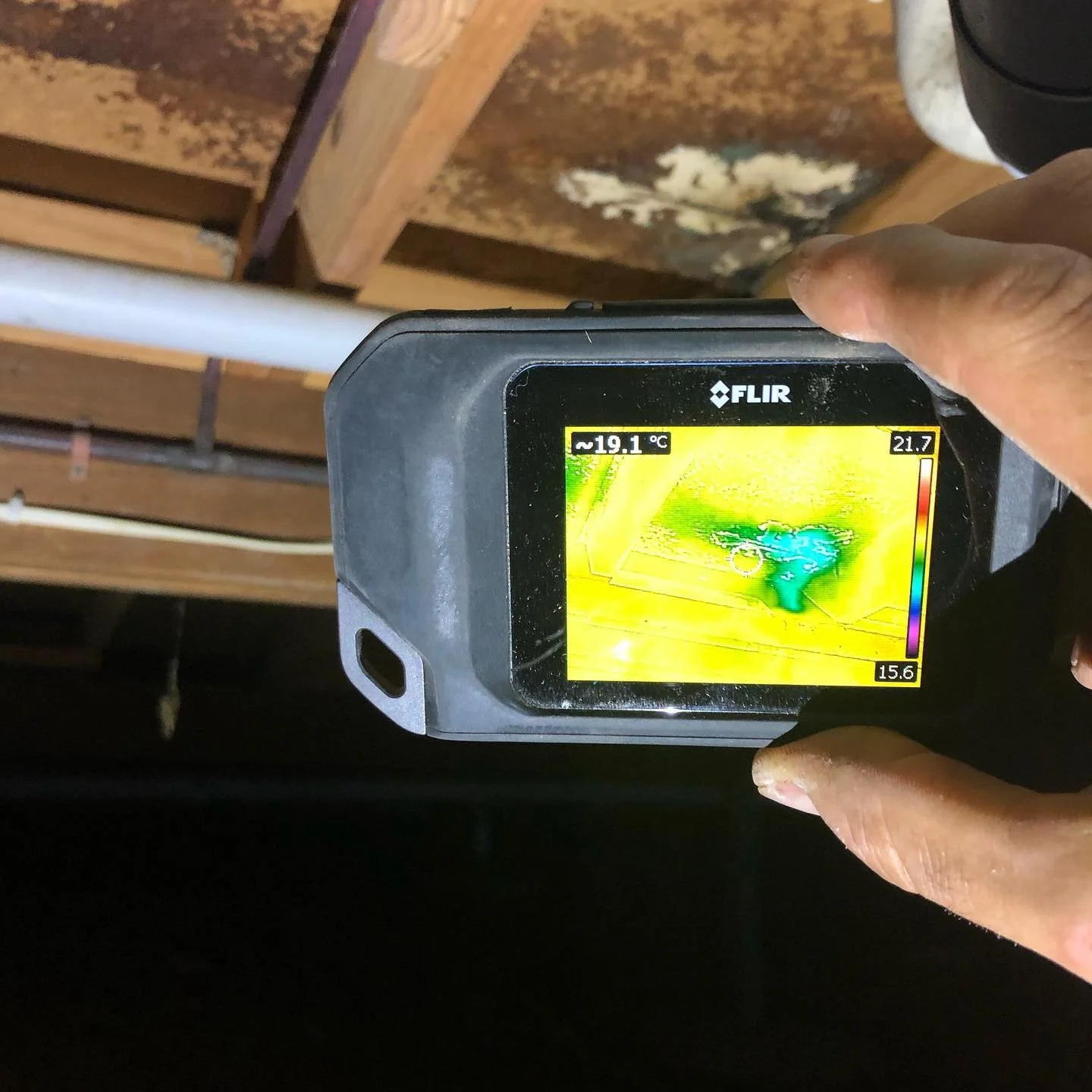
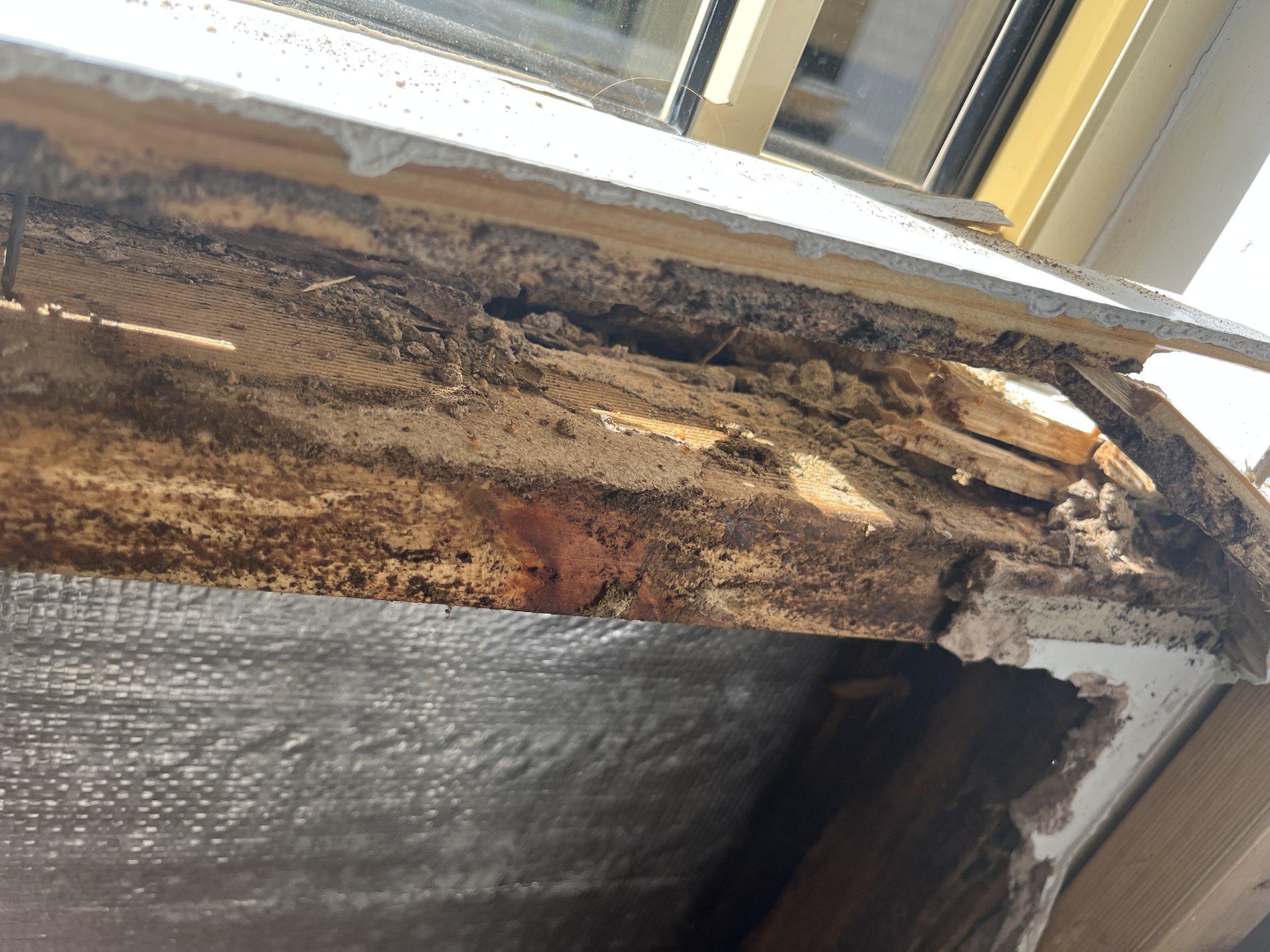
Whether you've found suspected termites, recurring pest activity, unexplained timber damage or simply something you're unsure about,
Matt can help determine what should happen next.
Zone Pest provides practical pest and termite advice for homes and properties across the Northern Rivers and Tweed Coast.