

General Pest Control Frequently Asked Questions
Understanding Professional General Pest Control
Finding ants across the kitchen bench, cockroaches appearing at night, spiders around the outside of the home or signs of rodents in the roof can quickly turn from a minor annoyance into an ongoing problem.
For many homeowners, the first response is understandably to reach for a household spray or bait from the supermarket.
Sometimes that will kill the pest you can see.
But it doesn't necessarily solve the reason the pests are there in the first place.
Professional pest control takes a broader approach. Rather than simply treating individual insects as they appear, effective pest management looks at what pest is causing the problem, where it is living, why it has become established and which treatment method is most appropriate for controlling it.
That's an important distinction.
Different pests behave in very different ways.
Ants may be travelling considerable distances from a nest while following established foraging trails. Cockroaches may be harbouring inside kitchens, cupboards, appliances or other protected areas. Spiders may be establishing themselves around external walls, eaves and other areas where insects provide a reliable food source. Rodents may be accessing roof voids or wall cavities through surprisingly small gaps in the building.
Trying to manage all of these pests with the same treatment simply doesn't make sense.
Professional pest control starts with understanding the pest.
Understanding General Pest Control Frequently Asked Questions
-
General pest control is the professional identification, treatment and management of common household pests such as ants, cockroaches, spiders and other unwanted pests. Effective treatment considers both the pests present and the conditions allowing them to survive around your property.
General pest control is about more than simply spraying insects when they appear.Professional pest management starts by understanding what pest is causing the problem, where activity is occurring and what may be allowing the pest to become established.
Different pests have different behaviours, nesting areas and food sources, so treatment needs to be selected accordingly.
Depending on the situation, professional pest control may involve residual treatments, gels, baits, dusts, monitoring or targeted applications to particular areas of the property.
Practical recommendations may also be provided to reduce food, water, harbourage and entry points.
The objective is to manage the existing pest problem while helping reduce the conditions that may contribute to future activity.
-
Professional pest control starts by identifying the pest and understanding where it is living, feeding or entering the property. The technician can then select targeted treatment methods such as residual treatments, baits, gels, dusts or monitoring depending on the problem.
Professional pest control isn't based on simply applying the same product throughout every property.An effective treatment starts with understanding the pest problem.
The technician considers factors such as:
What pest is present
Where activity is occurring
Likely nesting or harbourage areas
Potential entry points
Food and water sources
Property construction
Indoor and outdoor conditions
Previous pest treatments
Treatment can then be targeted to the areas where it is most likely to be effective.
Depending on the pest, this may involve residual treatments, gels, baits, dusts, traps, monitoring or a combination of methods.
The objective is to manage the pest population while avoiding unnecessary treatment of areas that aren't relevant to the problem.
-
The exact pests included in a general pest-control service depend on the service being booked and the problems occurring at the property.
Common household pest treatments may cover pests such as:
Cockroaches
Ants
Spiders
Silverfish
Other common crawling insects
Pests such as rodents, fleas and wasps often require more targeted treatment strategies and may be treated as separate services depending on the circumstances.
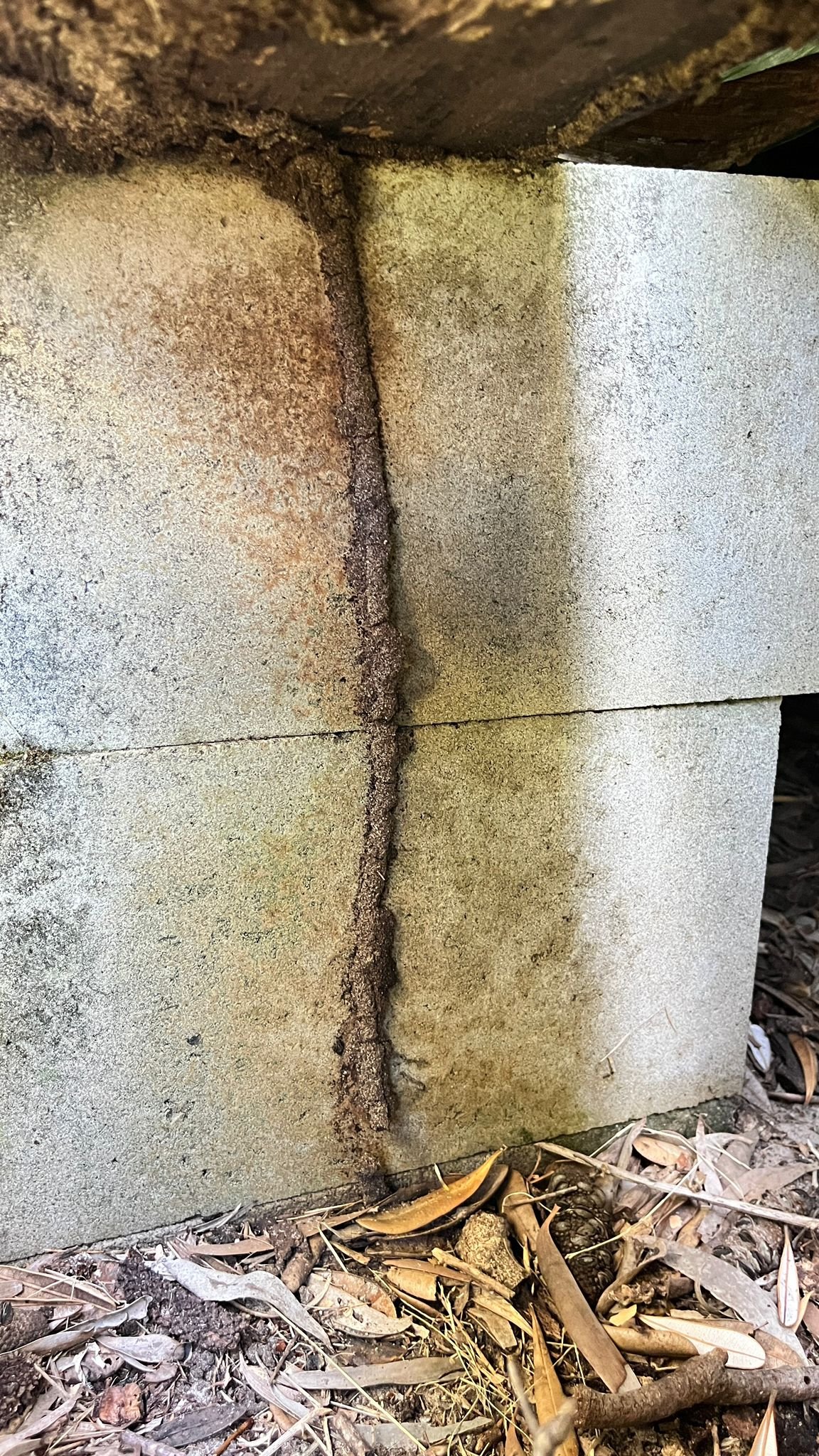
Termites should always be considered separately because termite inspection, treatment and long-term protection require specialised management strategies.
If you're unsure what pest you're dealing with, let Zone Pest know what you've been seeing. Identifying the problem helps determine which service is most appropriate.
-
Seeing an occasional insect doesn't always mean you have a major pest problem.
However, repeated activity can indicate that pests have found suitable food, water, shelter or breeding conditions around the property.
Signs that professional assessment may be worthwhile include:
Regular sightings of the same pest
Increasing pest numbers
Activity in several areas of the home
Cockroaches appearing during daylight
Persistent ant trails
Rodent noises or droppings
Recurring spider activity
DIY treatments providing only temporary results
A pest nest or harbourage area you cannot safely access
Professional pest management can help identify the cause of recurring activity and develop a treatment strategy appropriate to the pest.
-
DIY pest-control products certainly have their place.
If an occasional insect enters the home, a household product may be all that's required.
The limitation becomes more obvious when the problem is persistent.
Homeowners naturally treat the pests they can see, while the nest, harbourage or breeding population may remain hidden.
Professional pest control looks beyond the individual pest and considers where activity originates, how the pest is moving through the property and what treatment method is most appropriate.
Professionals also have access to specialised products and application techniques designed for particular pest situations.
The difference isn't simply stronger chemicals.
It's the combination of identification, knowledge, treatment selection and correct application.
-
No. Modern professional pest control may use sprays, gels, baits, dusts, monitoring and other targeted techniques depending on the pest. The appropriate method is chosen based on the problem rather than automatically spraying every area.
The idea that pest control means spraying the entire property with one product is outdated.Different pests require different management strategies.
Cockroach infestations may benefit from carefully positioned gel baits and targeted treatments around harbourage areas.
Ant management may involve baiting or treating established trails and nesting locations.
Rodent management uses completely different methods again.
Even where a residual spray is appropriate, professional application focuses on the areas where it can provide the greatest benefit rather than unnecessarily treating every surface.
Effective pest management is about choosing the right tool for the particular pest problem.
-
Choosing an appropriate pest treatment begins with understanding the problem.
A technician may consider:
Which pest is present
Where it is nesting or harbouring
Where activity has been observed
How severe the infestation appears to be
Possible entry points
Food and moisture sources
Property construction
Indoor and outdoor conditions
Children and pets
Previous treatments
These factors help determine whether sprays, baits, gels, dusts, traps, monitoring or another approach is most appropriate.
Sometimes a combination of techniques provides the strongest result.
The aim isn't to use the largest amount of product. It's to apply the most appropriate treatment where it can have the greatest effect.
-
There isn't one schedule that suits every property. Treatment frequency depends on the pests involved, previous activity, property conditions, surrounding environment and the type of pest management program being used.
Some homeowners choose regular preventative pest management, while others arrange treatment when a particular pest problem develops.How often treatment may be beneficial depends on factors such as:
Previous pest history
Property construction
Surrounding vegetation
Moisture
Food sources
Seasonal pest pressure
Location
The particular pests involved
How long the previous treatment is expected to remain effective
A home surrounded by dense vegetation may experience different pest pressure from an apartment or a more exposed suburban property.
Rather than applying the same schedule to every customer, Zone Pest can recommend an appropriate approach based on your property's circumstances.
-
Yes. Pest activity doesn't necessarily mean a home is dirty. Even clean properties can provide pests with food, water, shelter and access from the surrounding environment.
It's common for homeowners to feel embarrassed when they discover pests, particularly cockroaches or rodents.But pest activity isn't automatically a reflection of cleanliness.
Pests are simply looking for the resources they need to survive.
A well-maintained home can still provide:
Warmth
Water around plumbing
Pet food
Tiny amounts of food residue
Protected roof or wall cavities
Garden vegetation
Small entry gaps
Suitable nesting or harbourage areas
Properties can also experience increased pest pressure because of weather, nearby vegetation, neighbouring properties or changes in the surrounding environment.
Good hygiene certainly helps reduce pest opportunities, but even very clean homes can require professional pest management.
-
Pests can return when nesting populations remain nearby or when the property continues to provide food, water, shelter or easy entry. Seasonal and environmental conditions can also create new pest pressure after treatment.
Recurring pest activity doesn't always mean the previous treatment failed.Professional treatment manages the pest population present at the time, but the surrounding environment continues to change.
New insects may enter from gardens, neighbouring properties or surrounding vegetation.
Rodents may discover new access points.
Moisture or food sources may continue supporting pest activity.
Some treatments also work gradually rather than eliminating every pest immediately.
When a problem repeatedly returns, the best approach is often to investigate why rather than simply applying more product.
Identifying harbourage, entry points and environmental conditions can help create a more effective long-term management strategy.
-
Professional pest-control products are applied according to their registered directions and appropriate safety requirements. The precautions required depend on the pest, product, application method and treatment area.
Safety is an important part of professional pest management.Different pest problems require different products and treatment methods, and each product has directions governing where, how and at what rate it should be applied.
Modern pest management also allows treatments to be targeted to areas where pests are active rather than unnecessarily applying product throughout a property.
Depending on the treatment, precautions may include keeping people or animals away from particular areas during application or for a specified period afterwards.
Zone Pest will explain any preparation, access or re-entry requirements relevant to your treatment.
If you have particular concerns about occupants, pets or sensitive areas within the property, mention them before treatment so they can be considered when planning the service.
Common Household Pests Frequently Asked Questions
-
Common household pest problems across the Northern Rivers and Tweed Coast include ants, cockroaches, spiders, rodents, silverfish, fleas and wasps. Pest activity varies according to the property, surrounding environment, weather and time of year.
The warm, humid and often wet conditions of the Northern Rivers and Tweed Coast can support a wide range of household pests.Some of the most common problems homeowners encounter include:
Ants
Cockroaches
Spiders
Rats and mice
Silverfish
Fleas
Wasps
Other crawling insects
The pests affecting one property can be very different from those affecting another.
Homes surrounded by vegetation may experience greater pressure from insects and spiders, while properties with accessible roof spaces can provide opportunities for rodents.
Periods of heavy rain, heat, humidity and dry weather can also change pest behaviour and drive activity closer to homes.
Correctly identifying the pest helps determine the most appropriate treatment.
-
Yes. Cockroaches are a common target of professional pest control, although the treatment required depends heavily on the cockroach species and whether activity is occasional or an established infestation.
Cockroach problems aren't all the same.Some cockroach species primarily live outdoors and occasionally enter buildings, while others can establish breeding populations inside kitchens, cupboards, appliances and other protected areas.
That difference matters when selecting treatment.
Depending on the infestation, professional cockroach management may involve:
Targeted residual treatments
Gel baits
Crack and crevice applications
Treatment of harbourage areas
Monitoring
Follow-up treatment
An established indoor cockroach infestation may require a much more targeted program than occasional cockroach activity around the exterior of a home.
Identifying the cockroach and understanding where it is harbouring are important first steps.
-
Professional pest control can effectively manage ant problems, but successful treatment often requires targeting the colony or established foraging activity rather than simply killing the worker ants you can see.
The ants travelling across a kitchen bench or along an external wall are generally worker ants searching for food and water.Killing those individual ants may provide temporary relief without affecting the colony responsible for the activity.
Professional ant management considers:
The type of ant
Where trails are occurring
Likely nesting areas
Food and water sources
Indoor and outdoor activity
Environmental conditions
Depending on the situation, treatment may involve baits, targeted applications or other methods designed to affect more than the visible ants.
Persistent ant problems can require patience because different species and colony structures respond differently to treatment.
-
Yes. Professional pest management can help reduce spider activity by treating areas where spiders commonly establish themselves and, importantly, by reducing some of the insect activity that provides their food.
Spider management is slightly different from treating many other household pests.Spiders often establish themselves where there is a reliable supply of insects to feed on.
Treatment may therefore involve areas such as:
External walls
Eaves
Window areas
Garages
Sheds
Outdoor structures
Other common spider harbourage locations
Reducing general insect activity around the property can also make the environment less attractive to spiders.
Web removal and sensible property maintenance may form part of the longer-term strategy.
Because new spiders can naturally move onto the property from surrounding vegetation and neighbouring areas, spider management is generally about reducing activity and harbourage rather than permanently eliminating every spider from the environment.
-
Yes. Rodent management can target rats and mice around homes and other properties. Treatment may involve baiting, trapping, monitoring and recommendations for reducing food sources and potential entry points.
Rodent control requires a different approach from insect pest control.Signs of rats or mice can include:
Noises in roof spaces or walls
Droppings
Gnaw marks
Food damage
Nesting material
Unusual pet behaviour
Visible rodents
Professional rodent management considers where rodents are travelling, feeding and potentially entering the building.
Depending on the situation, a management program may involve secure baiting systems, trapping or other appropriate techniques.
Long-term management can also involve identifying potential entry points and reducing accessible food and harbourage.
Simply controlling the rodents currently present may not prevent another population from entering if the underlying access problem remains.
-
Yes. Professional flea treatment can help manage established flea infestations, but successful control may also require treating pets appropriately and addressing flea development within the environment.
Flea infestations can be frustrating because the adult fleas you notice are only one stage of the flea life cycle.Eggs, larvae and pupae may be present within carpets, flooring, bedding and other protected areas.
This means effective flea management often requires a coordinated approach.
Professional treatment can target the property, while pets should be treated using appropriate veterinary flea-control products or advice.
Preparation and follow-up instructions can be particularly important with flea treatments because activity may continue for a period as developing fleas emerge.
Vacuuming and other environmental management measures may also be recommended.
Zone Pest will explain what needs to happen before and after treatment to give the program the best opportunity to work effectively.
-
Yes. Silverfish can be professionally treated, particularly when persistent activity is occurring inside cupboards, storage areas, roof spaces or other protected parts of the home.
Silverfish prefer protected environments and can often be found around stored paper, cardboard, books, clothing and other materials containing starches or cellulose.They may also favour areas with higher humidity.
Professional silverfish management focuses on the areas where they are likely to harbour rather than simply treating individual insects when they appear.
Depending on the property, treatment may involve targeted applications to cracks, crevices, storage areas, roof spaces or other suitable harbourage locations.
Reducing excessive moisture and improving storage conditions can also help make the environment less favourable for ongoing silverfish activity.
-
Professional treatment can be appropriate for wasp nests around homes and properties. Because disturbing an active nest can trigger defensive behaviour, avoid attempting to remove a significant or difficult-to-access nest yourself.
Wasps can become particularly defensive when their nest is disturbed.A nest positioned around a roofline, wall cavity, shed, garden structure or another frequently used part of the property may present a risk to occupants.
Professional treatment allows the situation to be assessed before determining the safest and most appropriate approach.
If you've discovered a suspected wasp nest, avoid hitting it, spraying it at close range or blocking its entrance before receiving advice.
The exact treatment depends on the species, nest location and accessibility.
Where the nest presents an immediate safety concern, keep people and pets away from the area until it can be properly assessed.
-
This is where the term general pest control can occasionally create confusion.
Some treatment programs can address several common crawling pests around a property, particularly where treatment areas overlap.
However, that doesn't mean one product or application controls every possible pest.
For example:
Cockroach infestations may require gel baiting.
Ant colonies may require targeted bait or treatment.
Rodents require dedicated rodent-management methods.
Fleas require consideration of their life cycle.
Wasps require targeted nest treatment.
When booking pest control, it's helpful to tell Zone Pest exactly what you've been seeing.
That allows the service to be planned around the actual pest problems rather than assuming a standard treatment will cover everything.
Preparing for Pest Control Frequently Asked Questions
-
Some pest-control treatments require simple preparation, while others require very little. What you need to do depends on the pest and treatment method. Zone Pest will explain any specific requirements before your appointment.
There isn't one preparation checklist that applies to every pest-control service.A general external treatment may require very little preparation, while treatment for an established cockroach or flea infestation may require more involvement from the homeowner.
Depending on the service, preparation could include:
Providing access to treatment areas
Putting food away
Clearing selected cupboards or surfaces
Moving particular items
Securing pets
Picking up children's toys
Vacuuming certain areas
Providing access around external walls
There's no benefit in moving everything unnecessarily.
Zone Pest will let you know what preparation is relevant to your particular treatment so the work can be completed safely and effectively.
-
Normal cleaning is generally helpful, particularly removing food residue and clutter, but avoid unnecessary deep cleaning immediately before treatment unless you've been specifically asked to prepare an area.
A reasonably clean and accessible property helps professional pest treatment.Removing food scraps, cleaning spills and reducing clutter can eliminate competing food sources and make pest harbourage easier to identify.
However, you don't necessarily need to deep-clean the entire house before every pest-control appointment.
The preparation depends on the pest.
For example, an established cockroach problem may benefit from particular attention to kitchens and food-storage areas, while flea treatment can involve vacuuming floors and other specific preparation.
If special cleaning is required, Zone Pest will explain it before treatment.
The goal is practical preparation rather than creating unnecessary work for the homeowner.
-
Usually only where furniture prevents access to an important treatment area. You generally don't need to move every piece of furniture unless specific preparation instructions have been provided.
Professional pest treatment is targeted around areas relevant to the pest problem.In many situations, large amounts of furniture don't need to be moved.
However, access may occasionally be required behind or beneath particular items where pest activity has been identified.
For example, this could include areas behind:
Refrigerators
Freestanding appliances
Storage units
Selected furniture
Items covering known pest harbourage
If something needs to be moved before the appointment, we'll let you know.
Avoid unnecessarily moving heavy furniture or appliances unless specifically requested.
-
Pet food, water bowls and feeding equipment should generally be moved away from treatment areas before work begins. Zone Pest will advise if any additional preparation is required.
Pet feeding areas can attract pests, particularly ants, cockroaches and rodents, so they may be relevant to the pest assessment.However, food and water bowls should not remain exposed within an area being treated.
Before treatment, you may be asked to:
Remove food bowls
Empty or relocate water bowls
Store pet food securely
Clean up spilled dry food
Move feeding equipment away from treatment areas
Once the treatment area can be accessed normally again, bowls and feeding equipment can be returned as advised.
Secure food storage can also help reduce an ongoing food source for pests after treatment.
-
Not always. Whether cupboards need to be emptied depends on the pest and treatment being carried out. Don't empty every cupboard unless Zone Pest specifically asks you to.
Kitchen preparation is particularly relevant when dealing with cockroaches, ants or other pests associated with food and harbourage areas.However, modern targeted treatments such as gel baits and crack-and-crevice applications don't necessarily require every cupboard in the kitchen to be completely emptied.
If treatment needs to be applied inside a particular cupboard or storage area, we'll explain what needs to be removed beforehand.
Food should always be appropriately stored and treatment areas kept accessible.
Following specific preparation instructions is preferable to unnecessarily emptying an entire kitchen when the planned treatment doesn't require it.
-
Let Zone Pest know what pets are at the property. Depending on the treatment, pets may need to be secured away from treatment areas during application and for any period specified afterwards.
Pets should always be considered when preparing for pest control.Tell us about dogs, cats, birds, fish, reptiles or other animals at the property so any relevant precautions can be discussed.
Depending on the treatment, you may need to:
Keep dogs or cats in another area
Remove food and water bowls
Prevent pets from entering treatment zones
Make arrangements for birds or other sensitive animals
Take appropriate precautions around aquariums
Different treatments have different requirements, so avoid assuming that every pest-control service requires pets to leave the property entirely.
Zone Pest will explain what is appropriate for the treatment being carried out.
-
Sometimes. Providing reasonable access around external walls, eaves and other treatment areas can help. Items may need to be moved if they prevent access to locations relevant to the pest problem.
External areas are an important part of many general pest-control treatments because numerous pest problems begin outside the building.Depending on the treatment, it may help to provide access around:
External walls
Doorways
Windows
Eaves
Garden edges
Garages
Sheds
Other identified pest areas
Outdoor furniture, stored materials, children's toys or other objects positioned directly against treatment areas may occasionally need to be moved.
You don't need to completely clear the garden or perimeter unless specifically advised.
The objective is simply to give the technician practical access to the areas relevant to the treatment.
-
Tell your technician what pests you've seen, where and when you've noticed them, any previous treatments, areas of particular concern and anything relevant to treatment such as children, pets or difficult access.
The information you provide can be extremely useful when diagnosing a pest problem.Before treatment, let us know:
What you've been seeing
Where activity occurs
When activity is most noticeable
How long it has been happening
Whether the problem is getting worse
What DIY products you've already used
Whether another pest controller has treated the property
Areas you cannot easily access
Where children or pets spend time
Whether you have aquariums or other animals
Any particular concerns about the treatment
Even observations that seem insignificant can provide useful clues.
For example, knowing that ants appear only after heavy rain or that cockroaches are concentrated around one appliance can help narrow down the source of the problem.
Professional pest management works best when the homeowner's observations and the technician's assessment are combined.
-
Tell Zone Pest about anything that may affect treatment planning, including young children, pregnancy, pets, aquariums, sensitive areas or specific health concerns. Medical questions should also be discussed with an appropriate healthcare professional.
Good communication before treatment helps ensure the service is planned appropriately for the people, animals and environment at the property.Relevant information may include:
Babies or young children
Pregnancy
Dogs and cats
Birds
Fish tanks or ponds
Other animals
Sensitive food-production areas
Particular environmental concerns
Known health concerns relevant to treatment exposure
Zone Pest can explain the products being proposed, where they will be applied and any precautions associated with the treatment.
If someone has a medical condition, allergy, chemical sensitivity or another individual health concern, seek advice from their healthcare professional where appropriate.
The objective is to make sure any relevant concerns are identified before treatment rather than after the work has started.
During and After Pest Treatment Frequently Asked Questions
-
The treatment process depends on the pest and property. Zone Pest will assess the relevant areas, confirm the treatment plan and apply appropriate treatments to locations where pests are living, travelling, feeding or entering the property.
Professional pest control should be targeted to the problem identified at your property.Before or during treatment, the technician may assess areas where pest activity has been reported and look for signs such as harbourage, trails, entry points, nesting areas or conditions encouraging the pest.
Depending on the situation, treatment may involve:
Residual applications
Gel baits
Pest baits
Crack and crevice treatments
Dust applications
External perimeter treatments
Traps or monitoring systems
Other pest-specific methods
The technician may also identify maintenance or environmental issues that could contribute to future pest activity.
Zone Pest will explain the treatment being performed and any instructions you need to follow afterwards.
-
Treatment time varies depending on the property size, pest problem and treatment required. A routine general pest treatment may be relatively straightforward, while established or complex infestations can require considerably more time.
There isn't one standard timeframe for every pest-control appointment.Treatment duration can depend on:
Property size
Number of areas being treated
Pest species
Severity of the infestation
Indoor and outdoor treatment requirements
Accessibility
Treatment methods being used
Whether monitoring or bait stations are being installed
A routine treatment at a smaller home is very different from managing an established cockroach problem, rodent activity across several buildings or multiple pest issues on a large property.
Where possible, Zone Pest can provide an indication of the expected treatment time when the service is arranged.
The priority is completing the treatment appropriately rather than rushing through the property to meet a standard timeframe.
-
Not always. Whether you need to leave depends on the products being used, treatment areas and the type of service being performed. Zone Pest will explain any requirements before treatment begins.
Many modern pest-control treatments are highly targeted, which means occupants don't automatically need to leave the entire property for every service.However, some treatments may require people to remain away from particular areas during application or for a specified period afterwards.
The requirements depend on factors such as:
The product being used
Where it is being applied
The pest being treated
Children or vulnerable occupants
Pets
The manufacturer's registered directions
Rather than relying on a generic rule found online, follow the instructions provided for your specific treatment.
Zone Pest will tell you whether you can remain at the property and when treated areas can be accessed normally again.
-
Some pests may be affected quickly, while other treatments work gradually over several days or longer. The expected timeframe depends on the pest, infestation and treatment method.
Professional pest treatments don't all work in the same way.Some applications can affect pests relatively quickly after contact.
Other treatments are intentionally designed to work more gradually.
Baits, for example, may rely on pests finding and feeding on the treatment. Ant management may involve worker ants interacting with bait before the broader colony is affected.
An established cockroach infestation can also involve insects emerging from harbourage areas after the initial treatment.
Because of these differences, the success of pest control shouldn't always be judged by whether every visible pest disappears immediately.
Zone Pest will explain what response is expected from the particular treatment and whether follow-up monitoring or treatment may be required.
-
Yes, depending on the pest and treatment. You may continue to see some activity while the treatment takes effect, and certain treatments can temporarily make hidden pests more noticeable.
Seeing a pest shortly after treatment doesn't automatically mean the service hasn't worked.Treatment can affect pest behaviour in different ways.
Pests hidden within cracks, crevices or harbourage areas may become more active or visible after those areas are treated.
Bait treatments can also take time because pests need to encounter and feed on the bait.
The important considerations are:
Which pest is being treated
How severe the original problem was
Which treatment method was used
How long it has been since treatment
Whether activity is declining
We'll explain what you should reasonably expect after treatment.
If activity continues beyond the expected period or increases significantly, contact Zone Pest so the situation can be reviewed.
-
Normal cleaning can usually continue, but avoid washing, scrubbing or removing treatment from relevant surfaces until advised it is appropriate. Follow the instructions provided for your particular treatment.
Cleaning immediately after treatment can sometimes reduce the effectiveness of products designed to remain on treated surfaces.For example, washing a treated skirting edge or external area shortly after application could remove part of a residual treatment.
This doesn't mean you cannot clean your home.
The important thing is knowing which surfaces have been treated and which ones should temporarily be left alone.
Food-preparation surfaces and other areas have different considerations and should be managed according to the instructions provided.
If a particular treatment requires you to avoid cleaning an area for a period, Zone Pest will explain this.
Once the appropriate period has passed, normal household cleaning can resume.
-
Weather is an important consideration for external pest management, particularly in the Northern Rivers and Tweed Coast.
Whether rain affects treatment depends on factors including:
The product used
The treated surface
Application location
How soon rain occurs after application
Rainfall intensity
Whether the area is sheltered
The pest being targeted
Some treatments may require suitable dry conditions during application, while others become less vulnerable once they have dried or settled appropriately.
If weather conditions aren't suitable for a planned treatment, Zone Pest may adjust the service or recommend another time.
If unexpected heavy rain occurs shortly after treatment and you're concerned, contact us rather than automatically assuming the treatment needs to be repeated.
-
Sometimes. Established infestations, particular pest species or ongoing environmental pressure can require follow-up treatment or monitoring. Zone Pest will explain whether this is likely for your pest problem.
Some pest problems can be successfully managed with a single professional treatment.Others require a program.
This can be particularly relevant where:
The infestation is well established
Multiple life stages are present
Pests are breeding inside the property
Baits need time to affect a colony
Rodent populations require monitoring
Environmental conditions continue supporting activity
New pests can enter from surrounding areas
Follow-up treatment shouldn't automatically be viewed as evidence that the first treatment failed.
For some pest problems, monitoring and staged treatment are simply part of the correct management strategy.
Where follow-up is likely to be required, we'll explain this so you understand the process from the beginning.
Prevention and Maintenance Frequently Asked Questions
-
How long pest control remains effective depends on the pest, treatment method, treated surfaces, environmental conditions and pest pressure around the property. There isn't one timeframe that applies to every treatment.
Professional pest treatments can continue working after the technician has left, but their effective life varies considerably.Factors that can influence treatment longevity include:
Product and treatment method
Indoor or outdoor application
Exposure to sunlight and rainfall
Surface type
Cleaning
Pest species
Surrounding vegetation
Property conditions
Pest pressure from neighbouring areas
A protected indoor treatment may behave differently from a treatment exposed to Northern Rivers weather conditions.
Baits and monitoring programs also work differently from residual treatments.
Zone Pest can explain what to expect from the treatment being performed and when further pest management may be appropriate.
-
You can't prevent every pest from entering a property, but reducing food, water, shelter and entry points can make your home less attractive to pests and support professional treatment.
Professional treatment is only one part of long-term pest management.Pests continually move through the surrounding environment, so prevention focuses on reducing the opportunities available to them.
Useful measures can include:
Storing food securely
Cleaning spills and food residue
Managing pet food
Keeping bins clean and closed
Repairing plumbing leaks
Reducing unnecessary moisture
Sealing appropriate gaps and entry points
Managing clutter
Keeping vegetation appropriately maintained around the building
Removing unnecessary harbourage
Addressing rodent access points
Different pests require different prevention strategies.
If Zone Pest identifies something around your property that may be contributing to the problem, we'll explain what can reasonably be done about it.
-
Cleanliness is only one factor influencing pest activity. Pests may be attracted by moisture, shelter, vegetation, building access points, surrounding properties or environmental conditions even when a home is well maintained.
A clean home can absolutely experience recurring pest problems.Good hygiene helps because it reduces accessible food sources, but pests also need water and shelter.
For example:
Ants may enter searching for water.
Cockroaches may harbour in protected building spaces.
Spiders may establish where insects are plentiful.
Rodents may use roof voids for shelter.
Outdoor pests may continually move in from surrounding vegetation.
Weather can also dramatically change pest behaviour.
Heavy rainfall, heat, humidity and prolonged dry conditions can all influence where pests forage and seek shelter.
Rather than assuming recurring pests mean a property isn't clean enough, it is often more useful to investigate the environmental and structural factors contributing to activity.
-
Pest prevention doesn't necessarily require major changes to a property.
Practical maintenance can make a significant difference.
Depending on the pest, useful measures may include:
Repairing leaking taps and plumbing
Improving drainage
Keeping gutters functioning
Sealing appropriate building gaps
Repairing damaged screens
Managing vegetation against the building
Reducing clutter and stored materials
Keeping bins appropriately maintained
Storing pet and animal feed securely
Removing unnecessary standing water
Addressing roof and subfloor access points
Not every recommendation will apply to every home.
Professional pest management can help identify which conditions are actually relevant rather than giving homeowners an enormous generic prevention checklist.
-
There isn't one pest-control schedule that should automatically be applied to every property.
A home surrounded by dense subtropical vegetation may experience considerably different pest pressure from another property nearby.
Treatment frequency can depend on:
Previous infestations
Pest species
Property construction
Landscaping
Moisture
Surrounding environment
Seasonal activity
Previous treatment methods
Customer expectations
Some homeowners prefer a regular preventative pest-management program rather than waiting for pest populations to become established.
Others may only require treatment when a particular issue develops.
Zone Pest can recommend a practical schedule based on the property rather than automatically applying the same frequency to every customer.
-
Regular pest management can be worthwhile for properties with recurring pest pressure or where homeowners prefer preventative management. The appropriate frequency should reflect the property's actual conditions rather than an automatic schedule.
Whether regular pest control is worthwhile depends on the property.Some homes experience relatively little pest activity.
Others face ongoing pressure because of:
Subtropical conditions
Dense vegetation
Nearby bushland
Waterways
Previous infestations
Property construction
Food-producing gardens
Animals
Rural surroundings
Regular pest management can help reduce the likelihood of pest populations becoming well established before homeowners notice them.
It also provides an opportunity to identify changing conditions around the property.
However, professional pest management shouldn't simply mean automatically applying treatments whether they're required or not.
The objective is an appropriate management program based on the property's pest risk and history.
Need Advice About Protecting Your Property?
Whether you've noticed signs of pest activity, need a routine inspection or simply want professional advice, Zone Pest is here to help.
We take the time to explain our findings, answer your questions and recommend solutions that suit your property's individual needs,
without unnecessary pressure or confusing technical language.
If you're ready to arrange an inspection or would like to discuss the best approach for protecting your home or business, contact Zone Pest today.